Autor: DIFUSIÓN COLOMBIA INTELIGENTE

  • Why Direct Current Microgrids Work Best in Some, But Not All, Scenarios

    Why Direct Current Microgrids Work Best in Some, But Not All, Scenarios

    The idea of creating direct current (DC) microgrids to yield efficiencies is gaining ground in the U.S. and Europe as more and more DC devices are added to homes and businesses.

    In fact, Current/OS Foundation, which is funded by Schneider Electric Foundation, Siemens and 82 other industry players, aims to expand the use of DC microgrids, arguing that DC microgrids at the grid edge could help integrate renewables, reduce power demand, lower costs and create efficiencies.


    Current/OS Foundation argues that DC microgrids could regulate power for the grid, avoiding some of the complexities and inefficiencies of converting DC power to alternating current (AC) power. This would also allow the microgrid and the DC devices to go off grid, if necessary.


    Some DC microgrid projects have or are moving forward.

    But from a single building perspective, Karina Hershberg, associate principal at PAE Consulting Engineers, says she tried to design DC microgrids for two separate commercial clients interested in sustainable buildings and discovered they didn’t pencil out. Based on this early experience, she believes that DC microgrids don’t make sense unless they’re deployed in small homes.

    Para leer más ingrese a:

    https://www.microgridknowledge.com/microgrid-design/article/55289606/why-direct-current-microgrids-work-best-in-some-but-not-all-scenarios

  • The state of AI: How organizations are rewiring to capture value

    The state of AI: How organizations are rewiring to capture value

    Organizations are starting to make organizational changes designed to generate future value from gen AI, and large companies are leading the way. The latest McKinsey Global Survey on AI finds that organizations are beginning to take steps that drive bottom-line impact—for example, redesigning workflows as they deploy gen AI and putting senior leaders in critical roles, such as overseeing AI governance. The findings also show that organizations are working to mitigate a growing set of gen-AI-related risks and are hiring for new AI-related roles while they retrain employees to participate in AI deployment. Companies with at least $500 million in annual revenue are changing more quickly than smaller organizations. Overall, the use of AI—that is, gen AI as well as analytical AI—continues to build momentum: More than three-quarters of respondents now say that their organizations use AI in at least one business function. The use of gen AI in particular is rapidly increasing.

    Para leer más ingrese a:

    https://www.mckinsey.com/capabilities/quantumblack/our-insights/the-state-of-ai
  • New Microgrid Lab in Adjuntas Promises Energy Innovation for Puerto Rico

    New Microgrid Lab in Adjuntas Promises Energy Innovation for Puerto Rico

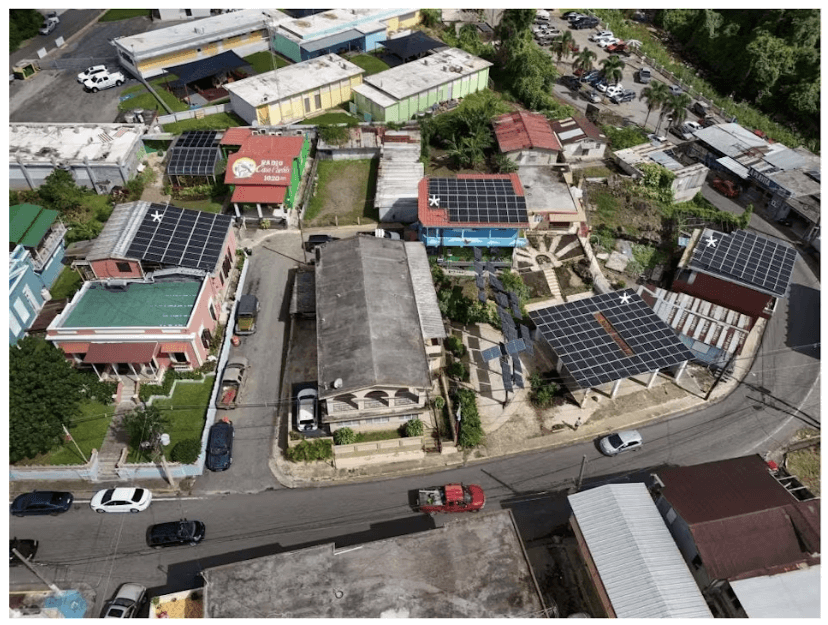
    Adjuntas, a mountainous community prone to devastating power outages in storm-ravaged Puerto Rico, is home to numerous microgrids which power both homes and businesses.


    Those microgrids are now being connected together at the center of a new laboratory focused on developing decarbonized and defensible energy infrastructure for the island.


    The Casa Pueblo microgrid in Adjuntas was developed by the team at Casa Pueblo in conjunction with the Oak Ridge National Laboratory. Recently, California-based New Sun Road‘s Stellar Edge Control technoogy was added to provide remote monitoring and control for the Living Energy Innovation Laboratory.  


    The lab will connect the Casa Pueblo, Plaza de la Independencia Energética and Adjuntas Pueblo Solar microgrids together to help power research initiatives in addition to continuing its ongoing work as a critical energy connection for homes, businesses and public facilities in Adjuntas.


    “Developing this laboratory means formally entering the field of energy innovation, and it represents a new level of work within the just energy transition,” said Arturo Massol Deyá, Director of Casa Pueblo, in a statement.

    Para leer más ingrese a:

    https://www.microgridknowledge.com/design-engineering/article/55289283/new-microgrid-lab-in-adjuntas-promises-energy-inovation-for-puerto-rico

  • Recovering from the past and transitioning to a better energy future

    Recovering from the past and transitioning to a better energy future

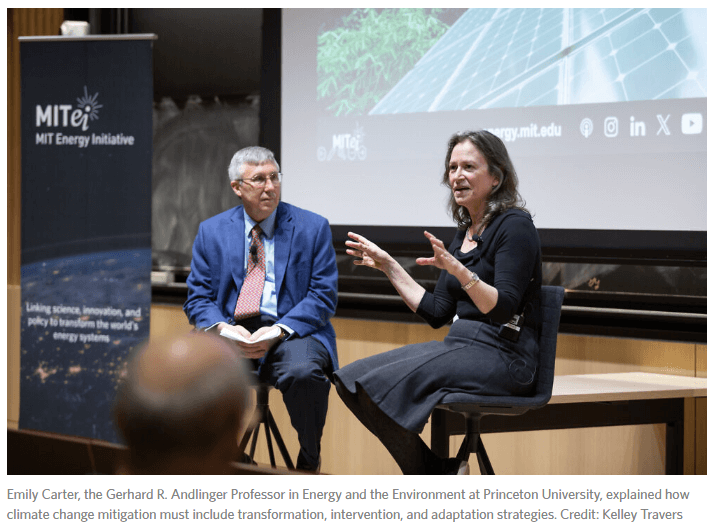
    As the frequency and severity of extreme weather events grow, it may become increasingly necessary to employ a bolder approach to climate change, warned Emily A. Carter, the Gerhard R. Andlinger Professor in Energy and the Environment at Princeton University. Carter made her case for why the energy transition is no longer enough in the face of climate change while speaking at the MITEI Presents: Advancing the Energy Transition seminar.


    “If all we do is take care of what we did in the past—but we don’t change what we do in the future—then we’re still going to be left with very serious problems,” she said. Our approach to climate change mitigation must comprise transformation, intervention, and adaption strategies, said Carter.


    Transitioning to a decarbonized electricity system is one piece of the puzzle. Growing amounts of solar and wind energy—along with nuclear, hydropower, and geothermal—are slowly transforming the energy electricity landscape, but Carter noted that there are new technologies farther down the pipeline.

    Para leer más ingrese a:

    https://energy.mit.edu/news/recovering-from-the-past-and-transitioning-to-a-better-energy-future/
  • DER Grid Services Manager CPower Energy Acquired by NRG as part of $12B M&A

    DER Grid Services Manager CPower Energy Acquired by NRG as part of $12B M&A

    Virtual power plant (VPP), microgrid and distributed energy management provider CPower Energy is being acquired by independent power producer NRG Energy as part of an estimated $12 billion buy for numerous gas-fired generation and DER platforms which have belonged to CPower’s parent company LS Power.

    The deal announced this weekend includes 18 natural gas-fired power plants owned by LS Power across nine states. The generation capacity for those gas turbine facilities is close to 13 GW and doubles NRG Energy’s total generation portfolio, according to reports.

    Much of NRG’s customer load is in Texas, and this acquisition includes power plants in the Lone Star State. Meanwhile, NRG is also getting the commercial and industrial VPP platform developed by CPower and which is deployed in all of the nation’s deregulated energy markets.

    Para leer más ingrese a:

    https://www.microgridknowledge.com/distributed-energy/virtual-power-plant/news/55289754/der-grid-services-manager-cpower-energy-acquired-by-nrg-as-part-12b-deal
  • Proactive Outreach by Utilities Can Help Jumpstart Fleet Electrification

    Proactive Outreach by Utilities Can Help Jumpstart Fleet Electrification

    Major companies such as Walmart are leading the way with electric fleets, having already deployed hundreds of electric vehicles. However, over 90% of vehicle fleets in the United States consist of fewer than 100 vehicles, and mid-size fleet operators often lack the know-how and resources of the largest companies to transition to EVs. Utilities are uniquely positioned to help more fleet operators, especially those with smaller fleets, begin to move to EVs. 

    Over the last few years, utilities have been running fleet electrification programs and taking innovative approaches to engage and onboard fleet customers. For example, Michigan utility DTE Energy has created a seven-step process to guide how it connects with fleet managers, and Con Edison in New York supports fleets with incentive programs and technical assistance. This blog post explores how utilities can engage fleet operators.  

    Para leer más ingrese a:

    https://www.aceee.org/blog-post/2025/05/proactive-outreach-utilities-can-help-jumpstart-fleet-electrification
  • Meeting the data center power challenge

    Meeting the data center power challenge

    In our first article in this two-part series, we looked at the massive impact AI will have on the growth of data centers, and consequently, on the demand for reliable 24/7 electricity. In this second piece we’ll call on S&C Electric Company’s expertise in grid transformation to look at how utilities and large-load customers can prepare for these changes.

    Despite soaring demand, data center growth could be constrained unless grids can be rapidly upgraded to ensure sufficient electricity is available where needed. The IRA has driven well over US$100 billion in clean energy investment already – and barring a significant rolling back of policy there should be more to come. However, despite strong growth in renewable generation, planned retirements of fossil fuel power plants mean overall US grid capacity isn’t growing at anything like the rate required.

    As S&C points out, increasing capacity is only part of the story. To ensure the AI revolution can happen, it will be vital to rapidly strengthen and expand access to reliable, resilient electricity supply via effective transmission, distribution and storage. So, what’s needed to make that happen?

    Para leer más ingrese a:

    https://www.woodmac.com/news/opinion/meeting-the-data-center-pow
  • Tackling Virginia’s Power Problems with Virtual Power Plants

    Tackling Virginia’s Power Problems with Virtual Power Plants

    It’s no secret that Virginia has a looming power problem. In its 2024 Integrated Resource Plan (IRP), Dominion Energy, the state’s leading utility, said it anticipated electricity demand to grow 5.5% annually in the next decade, doubling its current demand by 2039.

    Much of that growth is expected to be driven by data centers—specifically cloud computing, digital services, and power-hungry artificial intelligence. Thanks to friendly tax incentives and a robust fiber optic infrastructure, the Commonwealth is home to the largest data center market in the world, according to the Virginia Economic Development Partnership.

    But capacity isn’t the only challenge facing the state. Affordability of power is a factor as well.

    In its most recent power capacity auction—where the grid operator secures commitments from power providers to have electricity available during peak demand—PJM set jaw-dropping record-high prices for the 2025–2026 delivery year. What cost $28.92/MW-day in 2024-2025 will now cost $269.92/MW-day for a large swath of the grid operator’s 13 state region.

    In the Dominion Energy territory, which covers Virginia and North Carolina, prices hit zonal caps of $444.26/MW-day.

    Para leer más ingrese a:

    https://www.microgridknowledge.com/distributed-energy/virtual-power-plant/article/55289599/tackling-virginias-power-problems-with-virtual-power-plants
  • Incorporating GETs and HPCs into Transmission Planning Under FERC Order 1920

    Incorporating GETs and HPCs into Transmission Planning Under FERC Order 1920

    El sistema de transmisión eléctrico en Estados Unidos se encuentra bajo presión ante el rápido crecimiento de nuevas cargas, como los centros de datos, el transporte electrificado y la minería de criptomonedas. Esta situación ha impulsado la necesidad de adoptar métodos de planificación más adaptables, en los que se evalúen tanto soluciones tradicionales como tecnológicas. En este marco, la FERC Order 1920 introduce una transformación profunda al exigir una planificación a largo plazo basada en escenarios diversos y cuantificación de beneficios frente a costos. Dicha regulación establece que las compañías de transmisión deben proyectar, al menos, tres escenarios plausibles a veinte años, incorporando elementos como crecimiento de la demanda, eventos climáticos extremos o cambios tecnológicos. Esta perspectiva busca evitar respuestas rígidas o sobredimensionadas que no reflejen las verdaderas necesidades del sistema. Además, se reconoce el valor de las tecnologías de transmisión alternativas, como los conductores de alto rendimiento y los sistemas de control de flujo, al permitir soluciones más eficientes que las basadas únicamente en cableado convencional.


    La regulación no impone un método único de evaluación, pero exige que se considere una gama mínima de siete beneficios al seleccionar proyectos: desde la mitigación de eventos extremos hasta la reducción de pérdidas energéticas y el diferimiento de inversiones costosas. Esta exigencia obliga a las empresas a desarrollar mecanismos más transparentes y comparables que garanticen la eficiencia en las decisiones. A través de esta normativa, también se busca que los estados participen activamente. La figura de las Entidades Estatales Relevantes (RSEs) permite a los gobiernos locales proponer escenarios adicionales, intervenir en los criterios de selección y negociar esquemas de reparto de costos. Esto corrige un desbalance histórico en el que los estados, pese a verse afectados por las decisiones de planificación, tenían una participación limitada. Con esta reforma, se amplía la coordinación entre jurisdicciones y se reconoce el papel de las autoridades locales en la transición energética.


    Otra novedad es la posibilidad de dimensionar con precisión (“right-sizing”) las nuevas inversiones, evitando sobredimensionamientos innecesarios. Esta medida no solo reduce costos sino que permite que tecnologías emergentes como los conductores superconductores o los sensores inteligentes se conviertan en piezas viables dentro de un ecosistema energético moderno. Estas tecnologías, además de mejorar la eficiencia operativa, pueden desplegarse más rápidamente y sin los obstáculos logísticos de grandes obras. La adopción de herramientas como la optimización topológica, el control de flujo y los sistemas de monitoreo dinámico también está incentivada por esta orden, no solo por su bajo impacto ambiental, sino por su capacidad para responder con agilidad a condiciones operativas cambiantes. A diferencia de las soluciones rígidas, estas opciones permiten ajustes temporales o reversibles, adaptándose a la incertidumbre sin comprometer la estabilidad del sistema.


    Al no imponer una fórmula única, la normativa permite que cada región adapte los criterios a sus necesidades particulares, pero bajo principios generales de eficiencia y transparencia. Esta flexibilidad representa una oportunidad para corregir ineficiencias persistentes, siempre que exista voluntad política y técnica por parte de los operadores. La implementación efectiva de estos cambios dependerá, en última instancia, de que los actores del sistema prioricen el interés colectivo por encima de intereses individuales. Para ello, será fundamental que tanto las empresas como los reguladores adopten una visión más amplia, en la que se reconozca el valor agregado de las nuevas tecnologías, no solo como herramientas técnicas, sino como facilitadoras de una planificación energética más justa, ágil y sostenible.


    Para leer más ingrese a:

    https://www.brattle.com/insights-events/publications/brattle-experts-highlight-the-pitfalls-and-opportunities-of-alternative-technologies-under-ferc-order-1920-in-new-report-prepared-for-acore/

    https://www.brattle.com/wp-content/uploads/2025/04/Incorporating-GETs-and-HPCs-into-Transmission-Planning-Under-FERC-Order-1920.pdf


  • Accelerating the Integration of New Co-located Generation and Loads

    Accelerating the Integration of New Co-located Generation and Loads

    La integración acelerada de nuevas cargas energéticas de gran escala, como los centros de datos, plantea tensiones significativas sobre las redes de transmisión y sobre la disponibilidad de recursos energéticos. En respuesta a este desafío, surge el concepto de «Energy Parks«, instalaciones donde la generación y el consumo de energía se ubican conjuntamente en un mismo punto de conexión a la red. Esta configuración permite reducir el volumen de actualizaciones de infraestructura y acelera el proceso de interconexión, mitigando tanto los tiempos de espera como los costos. El valor de estos proyectos se multiplica cuando cuentan con mecanismos de control que limitan las inyecciones o extracciones de energía hacia o desde la red, según su disponibilidad. Gracias a estos sistemas, se puede optimizar el uso de la capacidad instalada sin comprometer la seguridad del sistema eléctrico. Además, el suministro local de energía permite absorber gran parte de la carga sin recurrir a la red externa, lo que reduce la presión sobre el sistema de transmisión en momentos de alta demanda o contingencia.

    Esta estrategia se vuelve particularmente relevante ante el crecimiento proyectado de la demanda eléctrica, impulsada por aplicaciones intensivas en energía como la inteligencia artificial. Las prácticas actuales, basadas en procesos separados para estudiar la interconexión de carga y generación, suelen sobreestimar los requerimientos de infraestructura, generando demoras y sobrecostos innecesarios. En cambio, estudiar la instalación de forma integrada, considerando tanto la carga como la generación co-ubicada, permite evaluar su comportamiento real y aprovechar su efecto de autoequilibrio. Al permitir que estas instalaciones interactúen con el sistema de manera flexible, mediante inyecciones y retiros de energía no firmes y basadas en la disponibilidad, se fortalece la resiliencia de la red y se incrementa su eficiencia operativa. Esto también abre oportunidades para que la generación local participe en los mercados energéticos bajo condiciones específicas, siempre que se respeten los límites técnicos establecidos por los operadores del sistema.

    Por otro lado, la experiencia en otros territorios, como Texas (ERCOT), donde se han implementado redes de uso privado que funcionan bajo un esquema similar, demuestra la viabilidad de este enfoque. La documentación técnica y operativa ya desarrollada en estos contextos ofrece puntos de referencia útiles para adoptar reformas normativas que permitan replicar estos modelos en otras jurisdicciones. Para materializar estos cambios, es necesario establecer protocolos específicos para estudios de interconexión integrados, definir estándares técnicos para los mecanismos de control y generar procesos de coordinación entre los operadores de transmisión y los responsables de cada componente del parque energético. Solo de esta manera se podrán evitar estudios redundantes y diseños conservadores que frenen el desarrollo de nuevas capacidades.

    Este enfoque no sólo permite acelerar la conexión de nuevas instalaciones, sino que también contribuye a aliviar los problemas de suficiencia de recursos en sistemas eléctricos en rápida expansión. Al habilitar que estas cargas traigan consigo su propia capacidad de generación, se reduce la presión sobre las redes existentes y se minimiza la necesidad de nuevas inversiones socializadas. En definitiva, adoptar una metodología de estudio y conexión basada en la integración de generación y carga co-ubicada puede mejorar significativamente la eficiencia del sistema eléctrico, garantizar una respuesta más ágil a la evolución de la demanda, y generar un marco técnico y normativo más adecuado a los retos del presente.

    Para leer más ingrese a:

    https://www.brattle.com/insights-events/publications/accelerating-the-integration-of-new-co-located-generation-and-loads/

    https://www.brattle.com/wp-content/uploads/2025/04/Accelerating-the-Integration-of-New-Co-located-Generation-and-Loads.pdf

Busca los documentos, noticias y tendencias más relevantes del sector eléctrico

Buscador de documentos
Buscador de noticias y tendencias

Banco de Información

Descripción del semáforo tecnológico

Los documentos se clasifican en varios colores tipo semáforo tecnológico que indican el nivel de implementación de la tecnología en el país

Tecnología en investigación que no ha sido estudiado o reglamentado por entidades del sector.

La tecnología se aplica de manera focal y se encuentra en estudio por parte de las entidades del sector.

La tecnología se aplica de manera escalable y se encuentran políticas y regulaciones focales establecidas.

La tecnología se aplica a través de servicios  y se encuentran políticas y regulaciones transversales establecidas.

La tecnología se aplica de manera generalizada  y se tiene un despliegue masivo de esta.

Para acceder a todos los documentos publicados y descargarlos ingresa aquí