Autor: DIFUSIÓN COLOMBIA INTELIGENTE

  • Critical materials: Batteries for electric vehicles 

    Critical materials: Batteries for electric vehicles 

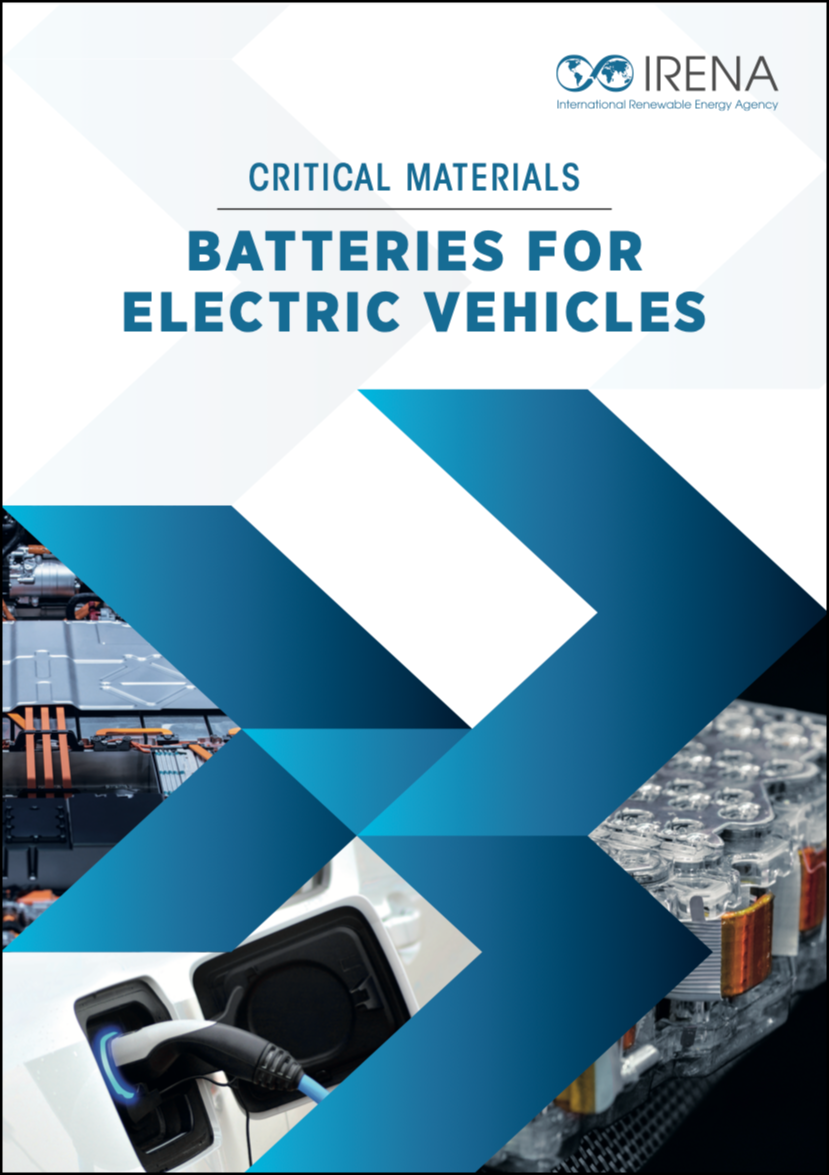
    Para avanzar en la transición energética será necesario que los vehículos eléctricos (VE) dominen las ventas de turismos de aquí a 2030. En 2023, el parque mundial de vehículos eléctricos de pasajeros rondaba los 44 millones. Alcanzar el escenario de 1,5 °C de la Agencia Internacional de Energías Renovables (IRENA) requiere un crecimiento significativo del parque mundial, hasta los 359 millones, para 2030. Este imperativo de electrificación se extiende a todos los sectores del transporte por carretera, incluidos los que antes se consideraban inadecuados para la electrificación, como el transporte de mercancías por carretera de larga distancia. Aunque las perspectivas de capacidad de producción de baterías para VE son positivas, es esencial garantizar un suministro adecuado, confiable y asequible de las materias primas necesarias. De acuerdo con el escenario de 1,5 °C de IRENA, la electrificación del transporte por carretera requeriría que la producción anual de baterías para VE se quintuplicara entre 2023 y 2030. Aunque la actual capacidad de producción de baterías prevista para 2030 (supera la demanda prevista de baterías para VE, todavía se requieren esfuerzos concertados para asegurar las materias primas necesarias para estas baterías. El aumento de la demanda de vehículos eléctricos impulsaría la demanda de los materiales utilizados en las baterías de estos vehículos, como el grafito, el litio, el cobalto, el cobre, el fósforo, el manganeso y el níquel. En el escenario de 1,5 °C de IRENA, la demanda de litio de las baterías de los vehículos eléctricos podría cuadruplicarse entre 2023 y 2030. Del mismo modo, la demanda de cobalto, grafito y níquel podría más que triplicarse. Sin embargo, las innovaciones que permiten sustituir estos materiales ya están reduciendo la demanda; el cobalto y el níquel ya no se utilizaban en casi la mitad de los vehículos eléctricos de pasajeros vendidos en 2023. Aunque la disponibilidad de recursos no es una limitación para la descarbonización a largo plazo del transporte por carretera, se necesitan esfuerzos para aumentar la producción de forma rápida y eficaz a fin de satisfacer la creciente demanda a corto y medio plazo. Para sortear eficazmente las incertidumbres a corto y medio plazo es necesario supervisar y evaluar periódicamente la dinámica del mercado y los avances tecnológicos, así como modelizar diversos escenarios. Por el lado de la demanda, las incertidumbres se derivan principalmente de las políticas de apoyo al despliegue de los VE y su impacto en el volumen previsto de ventas de VE; la innovación disruptiva; y la evolución de la cuota de mercado de las diferentes químicas de ánodos y cátodos, cada una caracterizada por distintas composiciones de materiales.  


    Por el lado de la oferta, las incertidumbres se derivan de factores como la fluctuación de los precios de mercado, los cambios normativos y las posibles interrupciones en la cadena de valor debidas a factores como catástrofes naturales, tensiones geopolíticas o disputas comerciales. IRENA ha desarrollado un análisis de la oferta y la demanda para comprender y explorar los posibles cuellos de botella de aquí a 2030, asumiendo un nivel de despliegue de VE acorde con el escenario de 1,5 °C. En este contexto, se examinan tres escenarios de química de baterías. El primero, considerado un escenario de estancamiento tecnológico, supone una innovación limitada y un porcentaje elevado y continuado de productos químicos ricos en níquel. El segundo escenario, considerado una continuación de las tendencias actuales, explora un dominio cada vez mayor de las baterías de litio hierro fosfato (LFP) y litio manganeso hierro fosfato (LMFP). El tercer escenario, considerado como un escenario de Aumento de la Innovación, asume la prominencia de LFP y LMFP junto con un aumento significativo de la tecnología emergente de iones de sodio. Para calibrar la probabilidad de que se produzca un desfase entre la oferta y la demanda en cada escenario, se ha tenido en cuenta una serie de previsiones de suministro de otras organizaciones. Las baterías de los vehículos eléctricos no son el motor de la demanda de todos los materiales esenciales para estos vehículos. No deben pasarse por alto otras industrias y aplicaciones que influyen en la disponibilidad y el precio de estos materiales. La demanda de baterías para VE es uno de los principales motores de la demanda de litio y, en menor medida, de cobalto, grafito y níquel. Sin embargo, el cobre, con una cuota de demanda de aproximadamente el 4% de las baterías de vehículos eléctricos para 2030, está impulsado principalmente por la construcción y las infraestructuras relacionadas con la energía. Del mismo modo, las cuotas de demanda de fósforo y manganeso de las baterías de los vehículos eléctricos se estiman en un 3% y un 2%, respectivamente, para 2030. Con una expansión sostenible de las cadenas de suministro de materiales, complementada con una innovación continua en la química de las baterías, los países pueden satisfacer la creciente demanda de materiales para baterías de VE. Esto es posible incluso con una adopción muy rápida de los VE, en línea con una senda de descarbonización de 1,5 °C. Un factor crítico será el aumento del suministro de materiales de acuerdo con las previsiones disponibles en la actualidad. Además, una adopción más rápida de baterías innovadoras con menores requisitos de materiales críticos podría mitigar aún más la posible escasez de algunos materiales, incluso si la minería no aumenta tan rápidamente como se espera.  


    Dependiendo de la evolución de la capacidad de suministro de materiales y de los efectos de la innovación tecnológica, es posible una amplia gama de resultados. Por ejemplo, los excedentes potenciales de litio se estiman en 0,60 Mt/año, es decir, alrededor del 25% de la demanda estimada para 2030, mientras que la escasez podría alcanzar hasta 1,3 Mt/año, lo que representa alrededor del 40% de la demanda estimada para 2030. La innovación se perfila como el componente central para abordar los posibles cuellos de botella, ofreciendo vías para reducir la demanda y reforzar la oferta. Entre las innovaciones, los avances en los cátodos de las baterías de los vehículos eléctricos, en particular los LFP y LMFP, junto con las tecnologías emergentes, como la de iones de sodio, podrían aliviar, si no eliminar por completo, la demanda de algunos materiales. La mejora continua de la densidad energética a través de un diseño y una ingeniería innovadores podría situar a las LFP y LMFP como rivales del dominio de las baterías ricas en níquel en los segmentos de mercado de los vehículos eléctricos de gama alta. Superar los retos de la tecnología de iones de sodio podría conducir a avances estructurales, eliminando parcial o totalmente la necesidad de algunos materiales, como el litio, el cobalto y el grafito. Además, la innovación en la minería y el procesamiento podría aliviar las presiones en el lado de la oferta, permitiendo la producción oportuna, rentable y sostenible de materiales. Este informe detalla varias acciones para que los gobiernos y las partes interesadas a lo largo de la cadena de suministro de baterías de vehículos eléctricos garanticen un suministro adecuado, confiable, sostenible y asequible de materiales críticos para las baterías de vehículos eléctricos en 2030. Para hacer frente a los posibles cuellos de botella de materiales, los gobiernos pueden desempeñar un papel clave en la aceleración y el apoyo a la innovación destinada a reducir o eliminar el uso de materiales críticos en las baterías de los vehículos eléctricos. Algunos ejemplos de posibles innovaciones son los avances en las tecnologías de cátodos y ánodos, y las mejoras en el diseño y la ingeniería de las baterías para aumentar la densidad energética y reducir el uso de materiales.  


    Dada la rápida evolución de las tecnologías de baterías para VE, los gobiernos, las empresas mineras y de transformación y los fabricantes de baterías pueden supervisar los mercados de cerca y con frecuencia y aumentar el compromiso de la industria para mantenerse al día de las últimas tendencias y avances en innovación. Los gobiernos también pueden facilitar una reducción de la demanda de materiales críticos apoyando el despliegue acelerado de infraestructuras de recarga de VE, favoreciendo la adopción de VE con baterías de menor tamaño y, por tanto, con menores necesidades de materiales. A pesar de las incertidumbres sobre la oferta y la demanda estimadas de materiales críticos para 2030, no cabe duda de que será necesario aumentar la oferta. Los gobiernos, en colaboración con las principales partes interesadas, pueden mitigar los riesgos del lado de la oferta garantizando la expansión oportuna de la oferta a través de procesos de permisos racionalizados y haciendo que las cadenas de suministro sean más resistentes. Esto puede lograrse apoyando a las partes interesadas de la industria en la diversificación de las ubicaciones de sus actividades mineras y de procesamiento; mejorando la sostenibilidad mediante la adhesión a los principios de una transición energética sostenible, justa y equitativa; y abordando los posibles cuellos de botella en el suministro de materiales procesados que a menudo se pasan por alto. La transición energética exige reforzar la cooperación internacional para aprovechar los puntos fuertes de cada país, reconociendo que ningún país posee por sí solo todos los materiales y conocimientos necesarios para la transición. Para permitir una toma de decisiones informada, los gobiernos, en colaboración con el sector privado y las organizaciones internacionales, pueden mejorar la calidad y la accesibilidad de los datos desarrollando bases de datos unificadas, promoviendo el intercambio de datos y estableciendo normas de datos armonizadas.  

    Para leer más ingrese a:

  • Offshore wind in North America: What’s new, what’s next? 

    Offshore wind in North America: What’s new, what’s next? 

    And how does North America measure up as far as progress toward expanding offshore wind resources?  According to YaleEnvironment360, a publication of The Yale School of the Environment, developers are currently investing most heavily in the East Coast because of its reliable supply of wind and proximity to populous markets. 

    A 2016 report from the US Department of Energy found that under an aggressive development scenario, offshore wind could provide 14% of the electricity consumed in the US by 2050. Being able to achieve this goal would translate to a 1.8% reduction in US greenhouse gas emissions, and the decreases in ambient nitrogen oxides, sulfur dioxide, and particulate matter would result in a savings of $2 billion in economic losses and healthcare costs. 

    So what are today’s biggest challenges to the growth of offshore wind resources in North America—and what’s next as look toward 2050? 


    The offshore wind energy movement in North America has ramped up considerably in the last two years. Less than 10 wind turbines are installed in US waters now. By 2030, there could be thousands. 

    In March 2021, the Biden-Harris Administration announced a goal of deploying 30,000 megawatts of offshore wind energy by 2030—a dramatic increase from the 42 megawatts of offshore wind currently operating in the US. But as always, there are roadblocks to navigate. 

    Para leer más ingrese a:

    https://www.pscconsulting.com/offshore-wind-in-north-america-whats-new-whats-next/
  • Hot Topics at the California Mobility Center: V2G, Hydrogen Microgrids for EV Charging, Gas Conversions 

    Hot Topics at the California Mobility Center: V2G, Hydrogen Microgrids for EV Charging, Gas Conversions 

    At the 25,000-square-foot California Mobility Center, which tests innovations in mobility, the hot topics right now include vehicle-to-grid (V2G) technologies, hydrogen-based microgrids for electric vehicle (EV) charging and gasoline-electric car conversions. 

    More and more, microgrids are playing an important role in mobility, either providing resources to charge EVs or serving as mobile microgrids – EVs with bidirectional charging capability that can send power to the grid or to a home or business.  

    The California Mobility Center works with partners like the Sacramento Public Utility District (SMUD) and the University of California Davis to showcase microgrids and battery energy storage for EV charging, said Orville Thomas, CEO of the California Mobility Center. 

    Para leer más ingrese a:

    https://www.microgridknowledge.com/electric-vehicles/article/55138543/hot-topics-at-the-california-mobility-center-v2g-hydrogen-microgrids-for-ev-charging-gas-conversions
  • Six months later, what did cities learn from the solar eclipse? Plan, plan, plan 

    Six months later, what did cities learn from the solar eclipse? Plan, plan, plan 

    It was a once-in-a-lifetime event for many cities and towns across the U.S.  

    April’s eclipse, by some estimates, was expected to bring billions of dollars in economic impact, especially to communities along the path of totality where the eclipse lasted the longest. That path traveled northeast across the U.S. from near Eagle Pass, Texas, through the Midwest and up to the Northeast before exiting near Houlton, Maine. 

    For those communities, planning started as much as 18 months before the April 8 eclipse, with meetings between various agency heads, public safety, tourism authorities and economic development departments ramping up as the date came closer. Traffic impacts and other safety issues had to be discussed, as well as potential events and other efforts to tie in with the eclipse. 

    Nearly six months later, city leaders in the communities in the eclipse’s path of totality are looking back at the lessons learned. One of the takeaways: All of the preplanning came in especially handy for cities and towns when they were confronted with events they didn’t plan for.  

    A week out from the eclipse, a storm dumped more than two-and-a-half feet of snow on parts of Vermont in the path of totality. Officials in the town of Barre, Vermont, were particularly worried that road conditions could be treacherous for vehicles and pedestrians arriving in town to view the eclipse. Barre expected between 50,000 and 250,000 people and an extra 60,000 vehicles on the roads. 

    Para leer más ingrese a:

    https://www.route-fifty.com/management/2024/09/six-months-later-what-did-cities-learn-solar-eclipse-plan-plan-plan/399861/
  • Technology alone is never enough for true productivity 

    Technology alone is never enough for true productivity 

    As generative AI (gen AI) grips the attention of business, corporate leadership can support their companies’ growth most by prioritizing the needs of their workers while simultaneously standardizing the use of cutting-edge tech. In this episode of the At the Edge podcast, economist and Stanford professor Erik Brynjolfsson speaks with McKinsey’s Lareina Yee about how gen AI differs from previous technological innovations, why it will likely augment more jobs than it replaces, and why keeping humans in the loop is essential. 

    An edited transcript of the discussion follows. For more conversations on cutting-edge technology, follow the series on your preferred podcast platform. 

    Para leer más ingrese a:

    https://www.mckinsey.com/capabilities/mckinsey-digital/our-insights/technology-alone-is-never-enough-for-true-productivity
  • Smart Cities Technology and Data 

    Smart Cities Technology and Data 

    Artificial intelligence presents new opportunities for how cities can use data, said Rochelle Haynes, managing director of the What Works Cities Certification program. 

    etting AI policy may take “hard conversations” to understand community priorities and concerns, one tech company leader said. 

    Cameras that cities use to catch drivers speeding, running red lights and blocking bus and bike lanes have “public perception and policy obstacles to overcome,” a safety official said. 

    Overgrown lawns, improper parking, peeling paint, boarded windows and graffiti were some of the violations the cameras identified in a five-day pilot in Stockton in 2024. 

    Guidelines aim to help government employees navigate the use of generative artificial intelligence tools while maintaining privacy, ethics and city values. 

    More transparency, equity and efficiency come from systems that optimize and prioritize plows and provide real-time road data during winter storms, these cities say. 

    Tips on building trust, starting small and more from speakers at a recent summit. 

    Para leer más ingrese a:

    https://www.smartcitiesdive.com/trendline/smart-cities-technology-and-data/348/
  • RMI’s New Report: VPPs Could Prevent up to 28 Million Tons of Carbon Emissions by 2035 

    RMI’s New Report: VPPs Could Prevent up to 28 Million Tons of Carbon Emissions by 2035 

    RMI (formerly Rocky Mountain Institute), an independent nonprofit focused on transforming global energy systems, and Virtual Power Plant Partnership (VP3), a coalition of nonprofits and organizations focused on unlocking the market potential of VPPs, recently released the report, entitled “Power Shift: How Virtual Power Plants Unlock Cleaner, More Affordable Electricity Systems.” 

    The report explores the potential role VPPs could play in transforming and decarbonizing the electricity grid, as well as delivering affordable, reliable power. 

    VPPs use advanced software and communication technologies to manage, optimize and coordinate the output of distributed energy resources (DERs), like rooftop solar and energy storage systems, electric vehicles, smart thermostats, and smart home devices, such as appliances, televisions and smart lights.  

    Virtual power plants aggregate tens, hundreds or even thousands of DERs into a single, dispatchable resource that can either reduce load or create supply during times of peak demand, helping the grid to stay in balance. 

    DER owners that participate in a VPP typically receive incentive payments ranging between $500 to $1,000 per year, depending on the program. 

    Para leer más ingrese a:

    https://www.microgridknowledge.com/distributed-energy/virtual-power-plant/article/55142628/rmis-new-report-vpps-could-prevent-up-to-28-million-tons-of-carbon-emissions-by-2035
  • Saint Lucia: The Land, the People, the Light 

    Saint Lucia: The Land, the People, the Light 

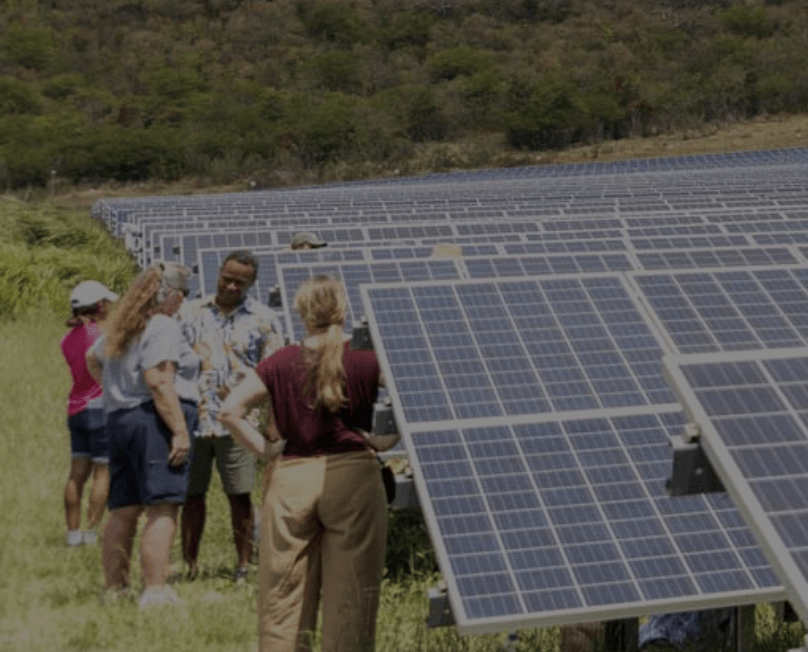
    The Caribbean Island of St. Lucia is known for its beautiful beaches, lush rainforests, and colorful coral reefs. But for some of the almost 200,000 people that live on the island, another incredible resource is affecting their daily lives — the nearly 15,000 solar panels that are producing clean, reliable, electricity from the island’s first utility-scale solar farm. 

    The island’s utility company, St. Lucia Electricity Services Limited (LUCELEC), with support from RMI, completed the 4 megawatt system just north of Hewanorra International Airport in August 2018. And in the first three years of operation, it produced 24.7 million kWh of electricity — enough to power 3,500 homes — saving 1.5 million gallons of diesel and more than $3 million. 

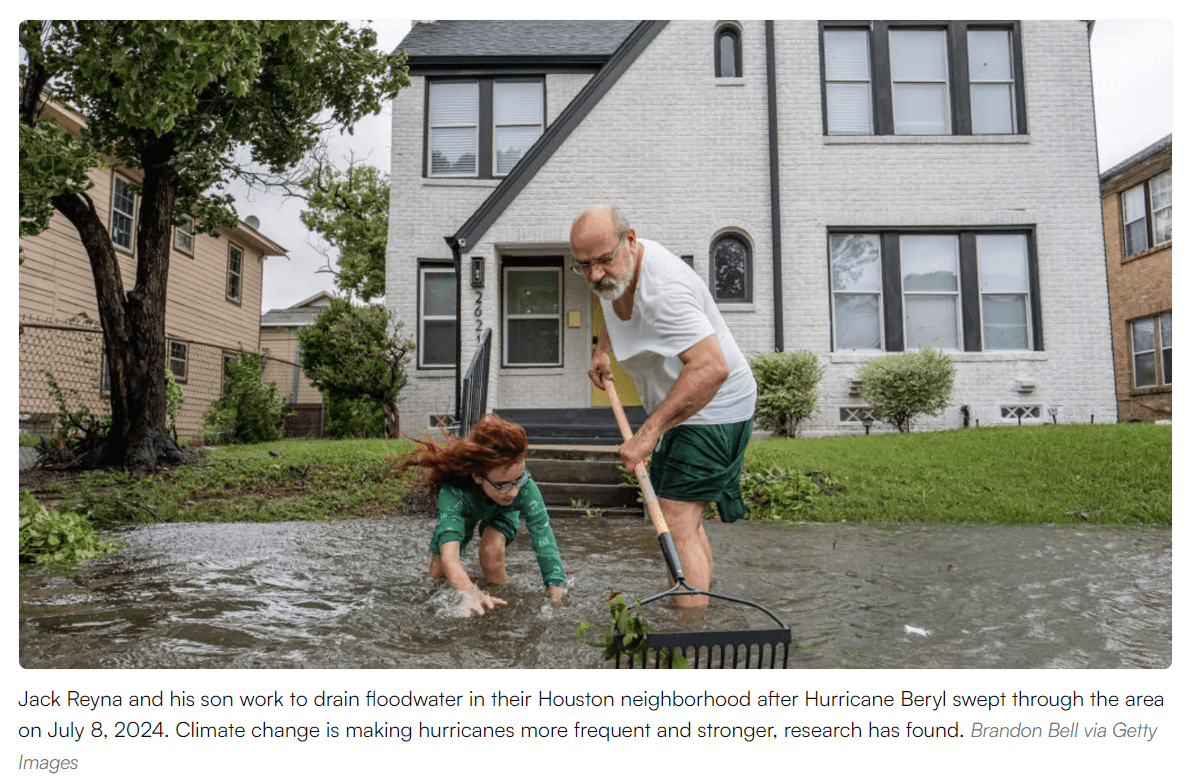
    Saint Lucia, a 238 square mile island in the eastern Caribbean is — like all small island developing states — particularly vulnerable to the impacts of climate change. In 2010, Hurricane Tomas devastated the island, damaging roads and bridges, causing electricity blackouts, and killing 14 people. More recently, last month’s Hurricane Beryl flooded streets and downed power lines across the southern part of the island. Although Saint Lucians contribute very little to climate change, they bear the brunt of the impacts. But they are also working hard to make their island more resilient. 

    James Fletcher, former Saint Lucian minister for public service, information, broadcasting, sustainable development, energy, science and technology, led the Caribbean’s delegation to the Paris Agreement negotiations and was a big part of reaching consensus on the call to limit warming to 1.5°C. “If we don’t agree on 1.5C…there’s a very strong possibility that some of these countries would physically not exist anymore,” Fletcher says. “It’s not just a matter of ‘half a degree,’ it’s a matter of life or death for so many people.” The island has a target of reducing its climate pollution 23 percent by 2050. The solar farm is one step toward that goal. 


    Para leer más ingrese a:

    https://rmi.org/saint-lucia-the-land-the-people-the-light/
  • National Solar Jobs Census 2023 

    National Solar Jobs Census 2023 

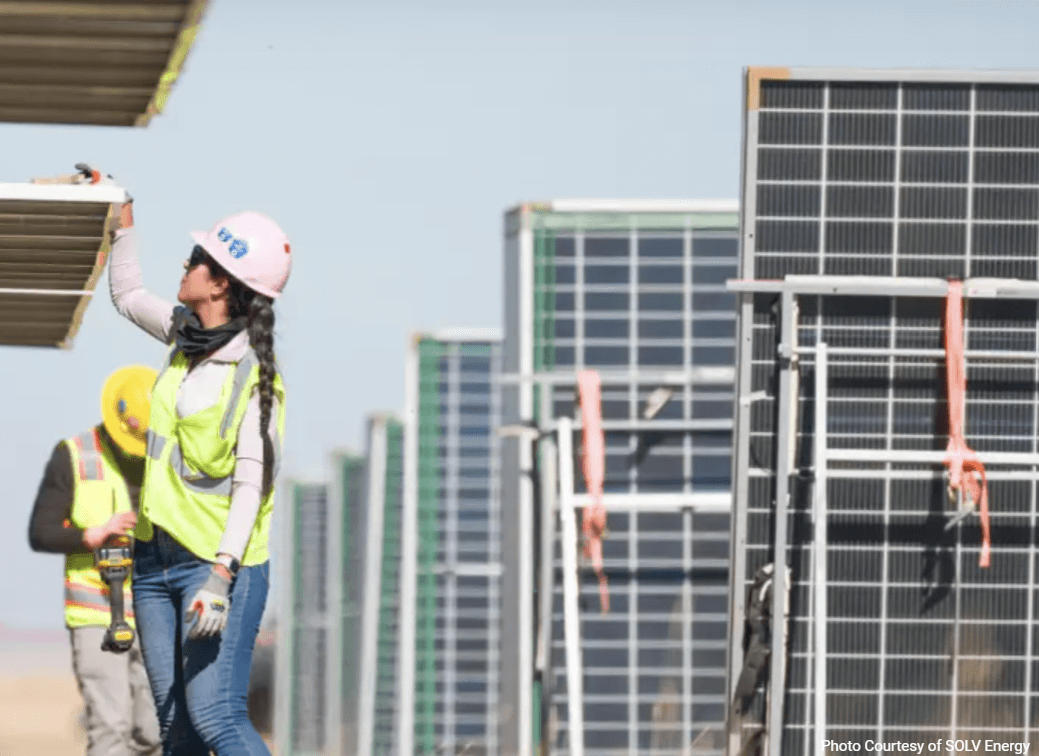
    The U.S. solar industry accounted for 279,447 jobs as of December 2023, marking a 5.9% increase from 2022 with 15,564 jobs added. Solar jobs also increased in 47 states, with some of the largest gains in Florida, Texas, Arizona, and Nevada. More people are working in the solar industry than ever before since the Solar Jobs Census was first published in 2010. (For a breakdown of solar jobs and other industry trends at the state level, please see Solar Jobs by State.) 

    The 279,447 solar jobs in 2023 include positions where workers spent the majority of their time on solar-related work. There were other workers who spent less than half their time on solar and the rest of their time in work related to other industries. Altogether, there were 364,544 workers who spent all or part of their time on solar in 2023. 

    In the clean storage industry, which mainly includes battery storage firms, there were an additional 89,592 workers, for a total of about 454,000 people who worked in either solar energy or storage in 2023. (See Jobs in Battery Storage and Other Clean Energy Industries.)  

    The National Solar Jobs Census is based on IREC’s analysis of a rigorous survey administered by BW Research to 42,100 energy firms in the spring of 2024, with 10,200 firms providing full survey responses. This survey was administered for the U.S. Department of Energy’s United States Energy & Employment Report (USEER) 2024.1 

    For the first time this year, IREC also conducted an independent qualitative study through a series of anonymous interviews with industry leaders, covering industry trends, workforce development, and diversity, equity, and inclusion. The results of this study are presented alongside the quantitative survey to present a comprehensive picture of the solar industry in 2023. (Read more on the report methodology.) 

    Para leer más ingrese a:

    https://irecusa.org/census-solar-job-trends/
  • NOAA, Climate Mayors ink agreement to bring more science, data tools to communities 

    NOAA, Climate Mayors ink agreement to bring more science, data tools to communities 

    • The National Oceanic and Atmospheric Administration announced Thursday that it is teaming up with the group Climate Mayors to accelerate the use of climate information and expertise at the local level. 
    • Climate Mayors, a network of almost 350 mayors dedicated to local climate action, signed a five-year memorandum of understanding with the federal agency outlining how they will work together on increasing local access to climate science and tools.  
    • The agreement includes annual briefings from NOAA to Climate Mayors’ leadership, the provision of local climate decision support services to Climate Mayors’ members and a commitment from Climate Mayors to contribute to NOAA case studies on climate resilience. 

    Para leer más ingrese a:

    https://www.smartcitiesdive.com/news/noaa-climate-mayors-agreement-local-science-data/727745/

Busca los documentos, noticias y tendencias más relevantes del sector eléctrico

Buscador de documentos
Buscador de noticias y tendencias

Banco de Información

Descripción del semáforo tecnológico

Los documentos se clasifican en varios colores tipo semáforo tecnológico que indican el nivel de implementación de la tecnología en el país

Tecnología en investigación que no ha sido estudiado o reglamentado por entidades del sector.

La tecnología se aplica de manera focal y se encuentra en estudio por parte de las entidades del sector.

La tecnología se aplica de manera escalable y se encuentran políticas y regulaciones focales establecidas.

La tecnología se aplica a través de servicios  y se encuentran políticas y regulaciones transversales establecidas.

La tecnología se aplica de manera generalizada  y se tiene un despliegue masivo de esta.

Para acceder a todos los documentos publicados y descargarlos ingresa aquí