
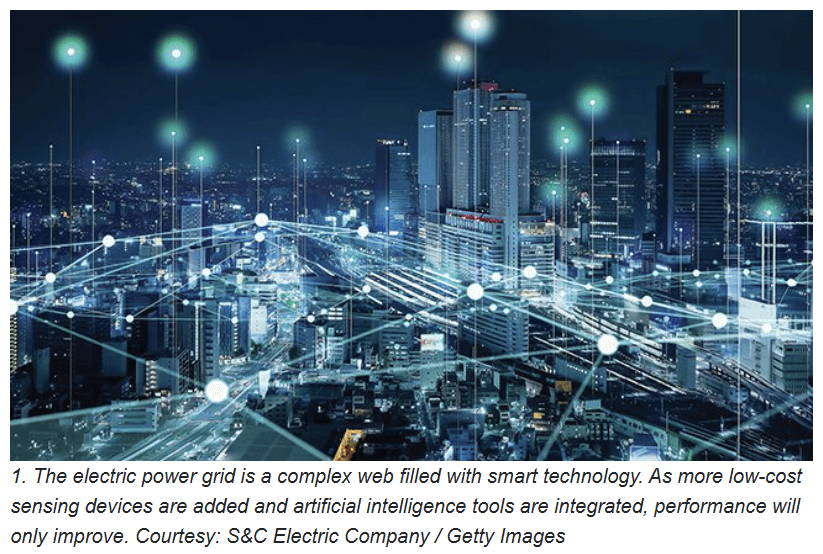
At that time, the Smart Grid was primarily focused on increased data gathering through the deployment of advanced metering infrastructure (AMI). These meters, installed at customer locations, automatically collected and transmitted energy usage data to a central system and eliminated the need for manual meter reads. This data was then processed and analyzed to provide utilities with near-real-time energy consumption information, and due to the large amount of data being collected, an enhanced understanding of load and consumer behavior that could be factored into grid planning and operations. Additionally, due to the connectedness of these AMI meters, the data could also be used to aid Outage Management Systems to help identify service interruptions in near real time.
Despite this achievement, however, most AMI deployments fell short of expectations to transform the grid. The technology to make the grid—and not just the endpoints—truly smart just wasn’t there yet. Today, AMI 2.0 systems are becoming increasingly available and even capable of monitoring harmonics at the grid’s endpoints, but the challenge of understanding what is happening in the grid remains.
Para leer más ingrese a:
Compartir artículo
Para información general sobre la organización: difusion@colombiainteligente.org | Dirección: Edf. TecnoParque Cr 46#56-11 Piso 13 | Medellín – Colombia
Teléfono: +57-4-4441211 Ext. 171 | FAX: +57-4-4440460

Los documentos se clasifican en varios colores tipo semáforo tecnológico que indican el nivel de implementación de la tecnología en el país
Tecnología en investigación que no ha sido estudiado o reglamentado por entidades del sector.
La tecnología se aplica de manera focal y se encuentra en estudio por parte de las entidades del sector.
La tecnología se aplica de manera escalable y se encuentran políticas y regulaciones focales establecidas.
La tecnología se aplica a través de servicios y se encuentran políticas y regulaciones transversales establecidas.
La tecnología se aplica de manera generalizada y se tiene un despliegue masivo de esta.
Para acceder a todos los documentos publicados y descargarlos ingresa aquí