
One of the ways of converting the energy of the ocean into electric power is to harness tidal energy. Tidal turbines generate electricity from the tides caused by the gravitational force of the moon. They can be mounted to the seabed or floated like a tethered submarine with turbines (tidal stream), or integrated within a barrier on a lagoon (tidal range). Like other forms of marine power, tidal energy is renewable and also predictable (unlike solar and wind energy). Although tides change regularly depending on the time of day, they follow a consistent pattern and can be accurately forecasted.
However, tidal power plants are costly to build and can take a while to perfect. They can affect marine life, as fish can get caught in the underwater blades, although perhaps a little less than what was originally thought. In addition, tidal energy is intermittent, meaning that the power generated is proportional to the speed of the current and therefore should be combined with some form of energy storage for the power to flow into the grid without interruption.
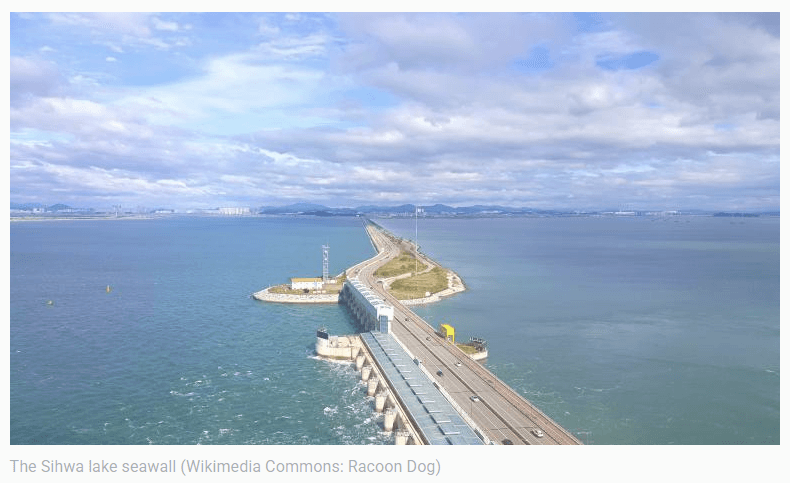
Despite these drawbacks, some tidal plants are already operational around the world. The Sihwa Lake tidal power station located in South Korea is currently the largest in the world and has a 254 megawatts (MW) generation capacity. IEC marine energy expert Dr Winston D’Souza describes how it works: “The technology relies on a dam separating two areas of water. On one side you have seawater and on the other a lake. At high tide, water goes through the dam to flood the lake and the turbines embedded in the dam spin to generate power. During low tide the water flows back from the lake into the sea, again spinning the turbines to produce power.” Other similar tidal range plants exist in France and in China.
Para leer más ingrese a:
https://etech.iec.ch/issue/2025-03/the-potential-of-tidal-energy
Compartir artículo
Para información general sobre la organización: difusion@colombiainteligente.org | Dirección: Edf. TecnoParque Cr 46#56-11 Piso 13 | Medellín – Colombia
Teléfono: +57-4-4441211 Ext. 171 | FAX: +57-4-4440460

Los documentos se clasifican en varios colores tipo semáforo tecnológico que indican el nivel de implementación de la tecnología en el país
Tecnología en investigación que no ha sido estudiado o reglamentado por entidades del sector.
La tecnología se aplica de manera focal y se encuentra en estudio por parte de las entidades del sector.
La tecnología se aplica de manera escalable y se encuentran políticas y regulaciones focales establecidas.
La tecnología se aplica a través de servicios y se encuentran políticas y regulaciones transversales establecidas.
La tecnología se aplica de manera generalizada y se tiene un despliegue masivo de esta.
Para acceder a todos los documentos publicados y descargarlos ingresa aquí