Autor: DIFUSIÓN COLOMBIA INTELIGENTE

  • How to fight energy poverty while meeting climate goals: free solar for social housing

    How to fight energy poverty while meeting climate goals: free solar for social housing

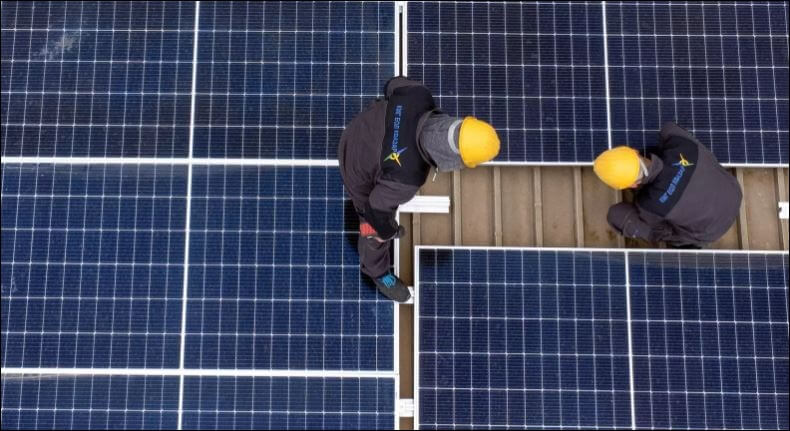
    Sustainable living is about much more than an affordable home; it is also about having access to affordable clean energy. Social tenants often do not have the financial resources to invest in renewable energy themselves. And in the Flanders region of Belgium, social tenants are not allowed to make structural changes to their homes and to invest themselves in solar panels or heat pumps. After all, they are not the owner of the house; the owner is the housing company.

    In order to reduce the energy costs of social tenants, the Belgian government introduced a heavily subsidized system, called “social tariff”. The difference between that tariff and the market price is subsidized by the government. Yet in times of energy crises, this soaks up huge amounts of the government’s budget.

    Para leer más ingrese a:
    https://www.weforum.org/agenda/2023/08/fight-energy-poverty-climate-goals-free-solar-panels-social-housing-a6e2532544/

  • How floating solar panels could transform the energy landscape in countries around the equator

    How floating solar panels could transform the energy landscape in countries around the equator

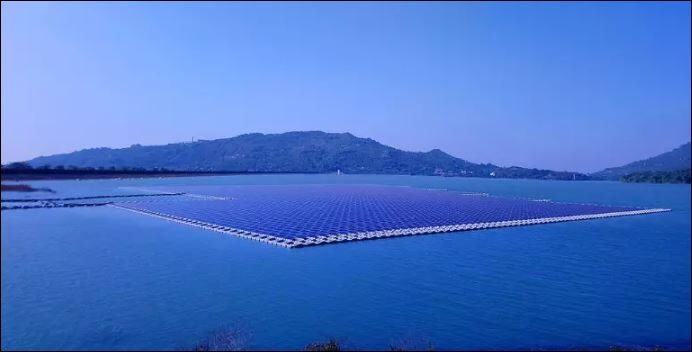
    Vast arrays of solar panels floating on calm seas near the Equator could provide effectively unlimited solar energy to densely populated countries in Southeast Asia and West Africa.

    Our new research shows offshore solar in Indonesia alone could generate about 35,000 terawatt-hours (TWh) of solar energy a year, which is similar to current global electricity production (30,000TWh per year).

    Para leer más ingrese a:

    https://www.weforum.org/agenda/2023/08/floating-solar-panels-energy-countries-equator/

  • Here’s how solar can help triple renewable energy by 2030

    Here’s how solar can help triple renewable energy by 2030

    It is a global imperative to move to renewable sources of energy. The reasons why are various: obviously, to move to zero carbon emissions, but also to provide energy to all, to create new jobs which did not exist earlier, to improve local air quality and to reduce the burden on national economies owing to energy imports.

    Solar energy technologies are a vital intervention to achieve all of these goals. Despites solar’s proven success in providing energy access to remote and underserved populations, particularly in vulnerable developing economies, three types of imbalance have emerged.

    Para leer más ingrese a:

    https://www.weforum.org/agenda/2023/08/solar-power-renewable-energy-goals-2030/

  • Charging ahead: How to unlock the electric vehicle revolution

    Charging ahead: How to unlock the electric vehicle revolution

    With 68% of people expected to live in cities by 2050, urban areas will be at the heart of the electric vehicle (EV) transition, which is well underway. The adoption of EVs has skyrocketed in the past five years, growing from around 3.1 million EVs globally in 2017 to over 20 million in 2022. Of course, it is crucial that public, shared and active modes of transport are also prioritised – not only to decarbonize, but also to tackle congestion, air pollution, safety, and more – but EVs will be important for cities in cutting emissions and delivering cleaner air for residents.

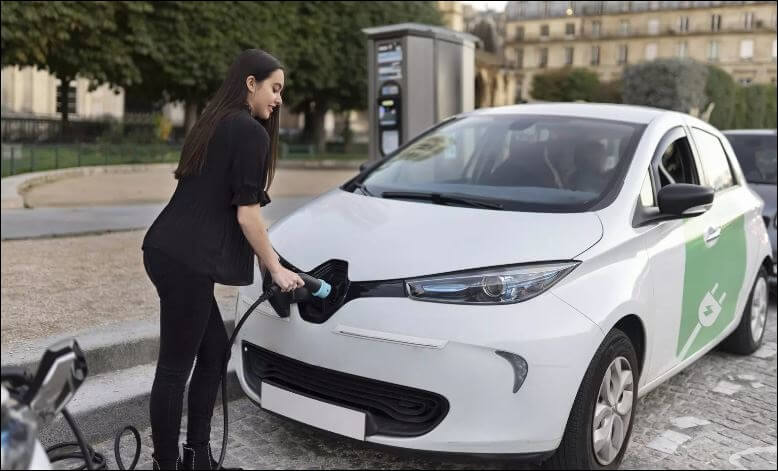
    City governments have a crucial role to play in supporting the transition to EVs, perhaps none more important than creating a crucial piece of infrastructure: EV charging. Enabling and supporting the creation of a widespread network of charging stations is a vital piece of the puzzle when it comes to growing the adoption of EVs, making their use more convenient, seamless and reliable.

    Para leer más ingrese a:

    https://www.weforum.org/agenda/2023/08/charging-ahead-how-to-unlock-electric-vehicle-revolution/

  • 25 Countries, Housing One-quarter of the Population, Face Extremely High Water Stress

    25 Countries, Housing One-quarter of the Population, Face Extremely High Water Stress

    New data from WRI’s Aqueduct Water Risk Atlas show that 25 countries — housing one-quarter of the global population — face extremely high water stress each year, regularly using up almost their entire available water supply. And at least 50% of the world’s population — around 4 billion people — live under highly water-stressed conditions for at least one month of the year.

    Living with this level of water stress jeopardizes people’s lives, jobs, food and energy security. Water is central to growing crops and raising livestock, producing electricity, maintaining human health, fostering equitable societies and meeting the world’s climate goals. 

    Para leer más ingrese a:

    https://www.wri.org/insights/highest-water-stressed-countries

  • La Aceleradora de Financiamiento Climático (CFA) Colombia anuncia ocho nuevos proyectos

    La Aceleradora de Financiamiento Climático (CFA) Colombia anuncia ocho nuevos proyectos

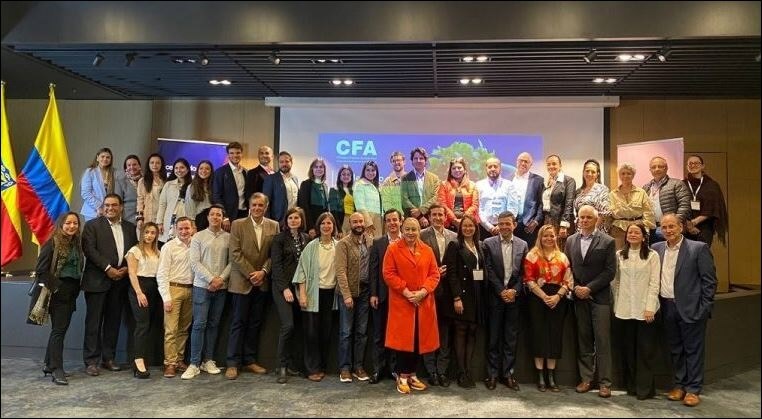
    Ocho proyectos innovadores de bajas emisiones de carbono de toda Colombia han sido seleccionados como parte de la segunda cohorte de proyectos de la Aceleradora de Financiamiento Climático (CFA) Colombia, tras una convocatoria de propuestas que atrajo 144 solicitudes. Los proyectos buscan una inversión total de USD $325,6 millones.

    Los proyectos elegidos proceden de los sectores agricultura, silvicultura y otros usos del suelo (AFOLU, por sus siglas en inglés); energía, residuos y transporte. Estos han recibido mentorías grupales y personalizadas, con el fin de reforzar su atractivo para los inversores y financiadores colombianos e internacionales.

    Para leer más ingrese a:

    hhttps://fenoge.gov.co/la-aceleradora-de-financiamiento-climatico-cfa-colombia-anuncia-ocho-nuevos-proyectos/

  • Se invierten 1,70 dólares en energía limpias por cada dólar en fósiles. ¿Es suficiente?

    Se invierten 1,70 dólares en energía limpias por cada dólar en fósiles. ¿Es suficiente?

    Los últimos años han sido volátiles para el sector energético. La disrupción extrema provocada por la crisis energética mundial se ha cruzado con la acuciante necesidad de aumentar urgentemente la inversión en energías renovables para evitar una crisis climática.

    ¿Cómo ha redibujado la crisis energética el panorama de la inversión en energías renovables? Pues bien, por cada dólar gastado en combustibles fósiles, ahora se gastan 1,70 en energías limpias. Hace cinco años, la proporción era de 1:1.

    Para leer más ingrese a:

    https://es.weforum.org/agenda/2023/07/invertimos-1-70-dolares-en-energia-limpias-para-cada-dolar-en-fosiles-pero-es-suficiente/

  • Introducing the NIST Cybersecurity Framework 2.0 Reference Tool!

    Introducing the NIST Cybersecurity Framework 2.0 Reference Tool!

    Today, NIST is officially unveiling our new Cybersecurity Framework (CSF) 2.0 Reference Tool. This resource allows users to explore the Draft CSF 2.0 Core (Functions, Categories, Subcategories, Implementation Examples) and offers human and machine-readable versions of the draft Core (in both JSON and Excel formats). Currently, the tool allows users to view and export portions of the Core using key search terms. This tool will ultimately enable users to create their own version of the CSF 2.0 Core with selected Informative References and will provide a simple and streamlined way for users to explore different aspects of the CSF Core.

    The Brazilian electricity sector is this month’s topic. In the first week, we discussed the gradual change of Brazil’s energy mix away from predominantly hydro. In week two we focused in on the debate on the role of natural gas and the need to integrate systems and markets that are typically independent to explore synergies and increase overall efficiency, and how Brazil is facing this challenge. Last week’s article explored how the Brazilian electricity sector addresses the basis of a real global revolution that is changing the role and importance of consumers.

    Para leer más ingrese a:

    https://content.govdelivery.com/accounts/USNIST/bulletins/36ab846

  • 5 reasons why energy buyers should move toward 24/7 carbon-free energy matching

    5 reasons why energy buyers should move toward 24/7 carbon-free energy matching

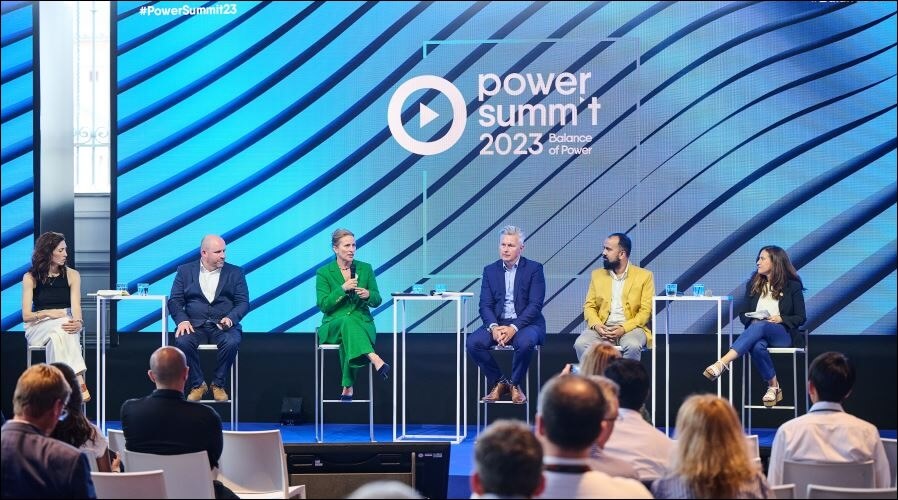
    24/7 carbon-free energy matching (CFE) is not just a novel sustainability goal for corporates. It’s a forward-looking ambitious framework for Europe’s energy ecosystem, it’s an opportunity to invest in industrial competitiveness, spur innovation and drive economic development while making a clearly traceable impact on your carbon footprint.

    “We have seen cities across Europe launch 24/7 CFE pilots just recently. We have seen NGOs, countries, and businesses globally signing the 24/7 compact showing that there is demand, understanding, and enthusiasm about this concept.” – says Caroline Golin Global Head of Energy: Markets, Development, and Policy at Google.

    Para leer más ingrese a:

    https://www.eurelectric.org/news/ps23_247cfe/

  • Electromobility in Brazil: Lithium versus Ethanol

    Electromobility in Brazil: Lithium versus Ethanol

    The electrification of mobility is successfully overcoming its main challenges, thus accelerating the replacement of internal combustion vehicles in many countries. However, with the important role of ethanol as a fuel, Brazil is in a slightly different starting position. Will this affect the outcome?

    The Brazilian electricity sector is this month’s topic. In the first week, we discussed the gradual change of Brazil’s energy mix away from predominantly hydro. In week two we focused in on the debate on the role of natural gas and the need to integrate systems and markets that are typically independent to explore synergies and increase overall efficiency, and how Brazil is facing this challenge. Last week’s article explored how the Brazilian electricity sector addresses the basis of a real global revolution that is changing the role and importance of consumers.

    Para leer más ingrese a:

    https://fsr.eui.eu/electromobility-in-brazil-lithium-versus-ethanol/

Busca los documentos, noticias y tendencias más relevantes del sector eléctrico

Buscador de documentos
Buscador de noticias y tendencias

Banco de Información

Descripción del semáforo tecnológico

Los documentos se clasifican en varios colores tipo semáforo tecnológico que indican el nivel de implementación de la tecnología en el país

Tecnología en investigación que no ha sido estudiado o reglamentado por entidades del sector.

La tecnología se aplica de manera focal y se encuentra en estudio por parte de las entidades del sector.

La tecnología se aplica de manera escalable y se encuentran políticas y regulaciones focales establecidas.

La tecnología se aplica a través de servicios  y se encuentran políticas y regulaciones transversales establecidas.

La tecnología se aplica de manera generalizada  y se tiene un despliegue masivo de esta.

Para acceder a todos los documentos publicados y descargarlos ingresa aquí