Autor: DIFUSIÓN COLOMBIA INTELIGENTE

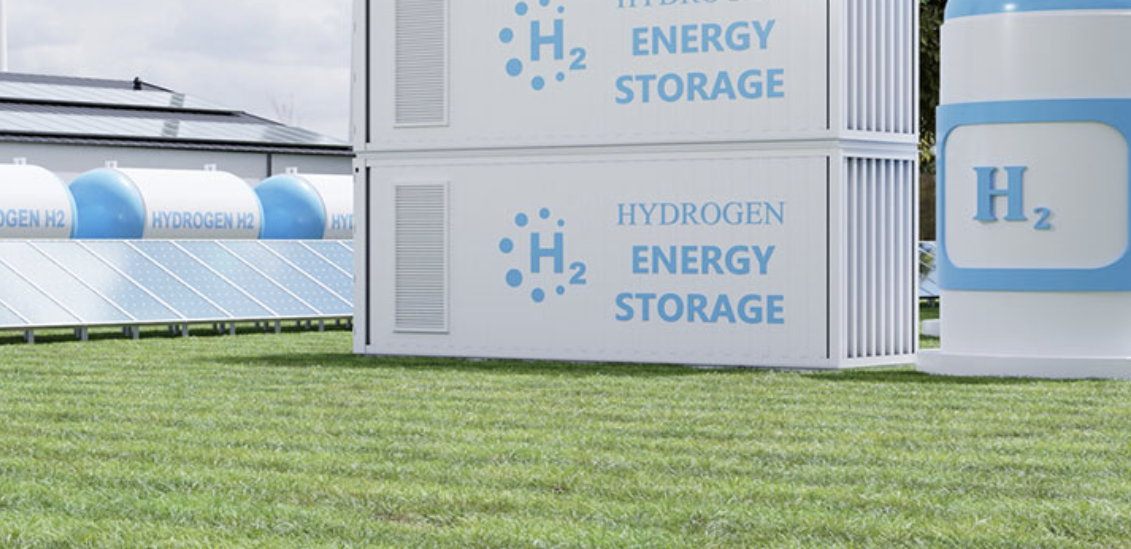
  • The Five Dimensions of Hydrogen

    The Five Dimensions of Hydrogen

    In the last year, we’ve seen a flurry of activity in the emerging hydrogen industry, from the establishment of the world’s largest clean hydrogen incentive to the first final investment decisions being made on multi-billion-dollar green hydrogen, green ammonia, and green steel projects. Amidst the excitement of the past year, it’s important to remember that hydrogen isn’t just a fad. RMI has been analyzing the alternate energy carrier as a low-carbon energy solution since 2003, building upon the work of RMI Founder, Amory Lovins, to demonstrate why hydrogen will play a critical and substantial role in the decarbonized global energy system.

    At RMI, we understand the importance of not leaving any sector behind in the energy transition. To address these needs, we have established a hydrogen initiative on the Climate Aligned Industries program to promote systems thinking around finding solutions for industrial and heavy-transport sectors. We collaborate closely with our colleagues across RMI to deliver holistic, integrated insights in our analyses and to our partners. Experts from our electricity, transportation, buildings, and finance teams, as well as our Global South, China, India, and US Programs regularly contribute to and review RMI’s hydrogen work, and their perspectives have been vital in developing our broader analyses on the developing global hydrogen industry.

    The following breaks down the Why, What, Who, Where, and When of our work on clean hydrogen to date. Through our informed opinion that hydrogen can play a calibrated role in a successful energy transition, we’re turning cutting-edge analytical research into action.

    Para leer más ingrese a:

    https://rmi.org/the-five-dimensions-of-hydrogen/
  • California municipal utility deploys 120,000 smart meters

    California municipal utility deploys 120,000 smart meters

    A municipal utility near Sacramento, California has deployed more than 120,000 smart meters as part of a multi-year improvement project.

    Roseville Utilities said the effort was completed three months ahead of schedule. The meters will support residential and customer engagement by the city’s electric and water utilities.

    “Modernizing our metering system is a game-changer for both the environment and our customers,” said Sean Bigley, Roseville’s assistant environmental utilities director. “It allows us to monitor usage patterns better, reduce waste, and offer more personalized support to our residents.” 

    The meter upgrade uses advanced metering infrastructure and introduces a two-way communication system for electric and water meters. City employees will no longer need to visit homes or businesses to read meters physically; they can send commands through the network to connect services and perform maintenance virtually. Ultimately, the project is expected to yield faster customer service resolution and smarter billing information.

    Para leer más ingrese a:

    https://www.power-grid.com/smart-grid/metering/california-municipal-utility-deploys-120000-smart-meters/
  • Data center, AI load growth could threaten grid reliability: Conference Board

    Data center, AI load growth could threaten grid reliability: Conference Board

    • Electricity demand from data centers could more than double over the next decade, threatening U.S. grid reliability and increasing operational risks for other businesses, the Conference Board said in a May 30 report.
    • Due to limited grid and transformer capacity and long permitting and interconnection timelines for new generation and transmission projects, expected data center load growth could slow the pace of the United States’ transition to a net-zero electricity system, the report said.  
    • “More positively, the broad adoption of AI tools might unlock greater efficiencies in the way electricity is used, as well as generated, stored and transported,” wrote authors Alexander Heil, senior economist at the Conference Board’s Economy, Strategy and Finance Center, and Ivan Pollard, leader for the Conference Board’s Marketing and Communications Center.

    Para leer más ingrese a:

    https://www.utilitydive.com/news/data-center-ai-load-growth-grid-reliability-conference-board/719380/
  • How New Federal Policy Raises the Bar for Energy-Efficient Housing

    How New Federal Policy Raises the Bar for Energy-Efficient Housing

    In May 2024, the US Departments of Agriculture (USDA) and Housing and Urban Development (HUD) updated their minimum home energy standards for new construction. This is great news because residents in new homes that these agencies support will soon benefit from lower bills, greater resilience to extremely hot and cold weather, and all-around more comfortable and healthier living spaces.

    Multifamily homes like HUD-funded apartments and condos purchased with Federal Housing Administration (FHA) mortgages will be among those affected: new covered buildings under four stories will need to comply with the 2021 International Energy Conservation Code (2021 IECC), while taller buildings must meet ASHRAE/ANSI Standard 90.1-2019 (90.1-2019). HUD and USDA estimate that over 40,000 new apartments will be affected every year.

    This month, the Federal Housing Finance Agency (FHFA) is considering a similar move as regulator and conservator of the Government Sponsored Enterprises (GSEs), including Fannie Mae and Freddie Mac. While best known for their support of single-family home mortgages, the GSEs collectively back about 40% of outstanding debt on US multifamily properties. A change of policy from FHFA would likely affect hundreds of thousands of new apartments annually.

    Between the HUD-USDA standard and a potential FHFA decision soon, updated energy standards are poised to make a big impact on higher density housing. The combination of updated efficiency standards and incentives for new apartment buildings will create win-wins for residents, developers, and the climate that affects all of us.

    Para leer más ingrese a:

    https://rmi.org/how-new-federal-policy-raises-the-bar-for-energy-efficient-housing/
  • It’s a Hard Time to Be a CISO

    It’s a Hard Time to Be a CISO

    Modern chief information security officers (CISOs) are navigating tough circumstances due to complex challenges. Evolving threat actor tactics, technique and procedures (TTPs) leveraging new next-generation technologies have enhanced the sophistication of traditional cyberattacks – increasing the urgency for CISOs to implement resilient cyberdefense strategies. However, an experience shortage driven by understaffing and evolving skill requirements is making that difficult to accomplish. There are more than four million unfilled security jobs in the world today, and research indicates that many security professionals believe the skills shortage’s impact has worsened over the past two years.

    CISOs are also dealing with heightened regulatory pressures coupled with corporate politics. In 2023, the charges against Joseph Sullivan (Uber) and Timothy G. Brown (SolarWinds) set a new precedent for corporate responsibility on matters of cybersecurity. Both landmark cases exemplified the consequences of inaction on new cyber mandates like the Securities and Exchange Commission (SEC) regulations, Biden Administration Executive Order and NIS2 Directive, among other global measures. The stakes have never been higher for CISOs to foster seamless cross-functional alignment on cyber risk mitigation and compliance across their C-suite and board. If not, they potentially can be held liable for it. Except as we’ve encountered time after time, generating collective buy-in amongst stakeholders with varying priorities and business objectives is far easier said than done.

    Para leer más ingrese a:

    https://securityboulevard-com.cdn.ampproject.org/c/s/securityboulevard.com/2024/06/its-a-hard-time-to-be-a-ciso-transformational-leadership-is-more-important-than-ever/amp/
  • MITEI’s Future Energy Systems Center launches 12 new projects to accelerate the energy transition

    MITEI’s Future Energy Systems Center launches 12 new projects to accelerate the energy transition

    The MIT Energy Initiative’s (MITEI) Future Energy Systems Center kicked off 12 projects committed to advancing a clean energy transition at their Spring Workshop in May. The projects explore optimizing energy storage, hydrogen transport, CO2 capture, and EV charging optimization, among other topics. These projects will continue the Center’s focus on systems-oriented research, allowing for holistic, multisectoral analyses of current energy challenges across a variety of disciplines.

    MITEI Director William H. Green stressed the importance of this strategy: “A systems approach—where academia, industry, and government work together to provide many perspectives on a problem—allows us to see the whole problem as a system, hopefully leading to more optimal solutions for society.”

    The Future Energy Systems Center—MITEI’s industry research consortium—seeks to provide insight on navigating the energy transition through analyses of evolving technologies, policies, and economics that are reshaping the energy landscape. The Center awards a new set of projects twice per year.

    Para leer más ingrese a:

    https://energy.mit.edu/news/miteis-future-energy-systems-center-launches-12-new-projects-to-accelerate-the-energy-transition/
  • Ready for a Wild Hurricane Season? Renewable Microgrids Are

    Ready for a Wild Hurricane Season? Renewable Microgrids Are

    Community members in areas with increasingly extreme weather like Florida, Texas, and Puerto Rico are fed up. Every couple of years a powerful storm hits, causing extended power outages, putting safety at risk, and damaging buildings and key infrastructure. Though it is a matter of when, not if, these storms will come again, as soon as the clean-up is finished, leaders move energy resilience and preparedness to the back burner and the cycle continues with the next storm.

    But there is a way to lessen the blows. Energy technologies like solar and battery storage have proven time and again to provide reliable power, and now they are more affordable than ever. So why aren’t leaders scaling them up for resiliency ahead of impending extreme weather?

    While hurricane season did not officially begin until June 1st, this pattern started to play out this Spring. Take Texas, for example. Last month, thunderstorms, powerful winds, and flood-inducing rain knocked out power to over 800,000 people and caused seven casualties. After the storm, temperatures climbed to over 90 degrees, and those that were without power could not run their air conditioning in the stifling heat. Just a couple of weeks later, more extreme weather hit Texas. Having to deal with multiple storms is not unique to Texas — in Florida, there were three named hurricanes over two months in 2020.

    Unfortunately for the over 60 million people that live in hurricane-affected geographies, more weather events like this are likely on the way. Forecasts from leading experts for the 2024 season are “daunting.” High ocean temperatures along with weather affected by the El Niño and La Niña patterns led the National Oceanic and Atmospheric Administration to their highest May prediction of hurricanes ever. Given increasing ocean and air temperatures, stronger weather events have become the new normal.

    Para leer más ingrese a:

    https://rmi.org/ready-for-a-wild-hurricane-season-renewable-microgrids-are/
  • Making climate models relevant for local decision-makers

    Making climate models relevant for local decision-makers

    Climate models are a key technology in predicting the impacts of climate change. By running simulations of the Earth’s climate, scientists and policymakers can estimate conditions like sea level rise, flooding, and rising temperatures, and make decisions about how to appropriately respond. But current climate models struggle to provide this information quickly or affordably enough to be useful on smaller scales, such as the size of a city. 

    Now, authors of a new open-access paper published in the Journal of Advances in Modeling Earth Systems have found a method to leverage machine learning to utilize the benefits of current climate models, while reducing the computational costs needed to run them. 

    “It turns the traditional wisdom on its head,” says Sai Ravela, a principal research scientist in MIT’s Department of Earth, Atmospheric and Planetary Sciences (EAPS) who wrote the paper with EAPS postdoc Anamitra Saha. 

    Para leer más ingrese a:

    https://news.mit.edu/2024/making-climate-models-relevant-local-decision-makers-0611
  • What is blockchain?

    What is blockchain?

    Blockchain is one of the major tech stories of the past decade. But beneath the surface chatter there’s not always a deep, clear understanding of what blockchain is, how it works, or what it’s for. Despite its reputation for impenetrability, the basic idea behind blockchain is pretty simple. And it has major potential to change industries from the bottom up.

    Put simply, blockchain is a technology that enables the secure sharing of information. Data, obviously, is stored in a database. Transactions are recorded in an account book called a ledger. A blockchain is a type of distributed database or ledger, which means the power to update a blockchain is distributed between the nodes, or participants, of a public or private computer network. This is known as distributed ledger technology (DLT). Nodes are rewarded with digital tokens or currency to make updates to blockchains.

    Blockchain allows for the permanent, immutable, and transparent recording of data and transactions. This, in turn, makes it possible to exchange anything that has value, whether that’s a physical item or something more intangible.

    A blockchain has three central attributes:

    • First, a blockchain database must be cryptographically secure. That means you need two cryptographic keys to access or add data on the database: a public key, which is basically the address in the database, and the private key, which is an individualized key that must be authenticated by the network.
    • Next, a blockchain is a digital log or database of transactions, meaning it happens fully online.
    • And finally, a blockchain is a database that is shared across a public or private network. One of the most well-known public blockchain networks is the Bitcoin blockchain. Anyone can open a Bitcoin wallet or become a node on the network. Other blockchains are private networks. These are more applicable to banking and fintech, where people need to know exactly who is participating, who has access to data, and who has a private key to the database. Other types of blockchains include consortium blockchains and hybrid blockchains, both of which combine different aspects of public and private blockchains.

    Para leer más ingrese a:

    https://www.mckinsey.com/featured-insights/mckinsey-explainers/what-is-blockchain
  • How can DSOs rise to the investments challenge? Implementing Anticipatory Investments for an efficient distribution grid

    How can DSOs rise to the investments challenge? Implementing Anticipatory Investments for an efficient distribution grid

    El documento resalta la necesidad de inversiones anticipadas en la infraestructura de redes de distribución para facilitar la integración de fuentes de energía renovable y la electrificación de la demanda, lo cual es clave para alcanzar los objetivos climáticos de la Unión Europea. Los marcos regulatorios existentes en varios países europeos restringen las inversiones en redes de distribución, lo que obstaculiza el desarrollo adecuado de la red y podría llevar a tarifas energéticas más altas para los consumidores en el futuro. El documento propone un cambio desde un enfoque incremental tradicional hacia un desarrollo anticipado de la red, donde las inversiones se realicen proactivamente para abordar desarrollos esperados más allá de las necesidades inmediatas. Las recomendaciones clave incluyen: utilizar los Planes Nacionales de Desarrollo de la Red (NDP) de los Operadores de Sistemas de Distribución (DSO) como el mecanismo principal para proyectar inversiones anticipadas, con una perspectiva a largo plazo hasta 2040; eliminar los límites de inversión y proporcionar incentivos adecuados para que los DSO realicen inversiones anticipadas, asegurando una remuneración suficiente y un entorno de inversión estable; adoptar un enfoque de arriba hacia abajo y de abajo hacia arriba para garantizar la alineación entre los objetivos de descarbonización y los requisitos de infraestructura, involucrando a los Estados miembros, autoridades regionales y locales, partes interesadas y usuarios de la red. Además, se destaca la necesidad de mejorar la coordinación entre los Operadores de Sistemas de Transmisión (TSO) y los DSO, con actualizaciones ágiles en la planificación de los TSO para incorporar las necesidades de los DSO y las inversiones anticipadas, y explorar la posibilidad de empoderar a los DSO para construir redes de TSO en ciertos casos. A su vez, se subraya la importancia de las inversiones anticipadas por parte de los DSO para expandir y reforzar proactivamente las redes eléctricas, facilitando la transición energética y la integración de fuentes renovables. Se destaca la necesidad de que los marcos regulatorios permitan y fomenten tales inversiones, tratándolas como inversiones regulares en la regulación de tarifas. Debe asegurarse la recuperación de costos y un retorno adecuado de las inversiones, con una distribución justa de los costos entre las partes interesadas. El documento recomienda revisar las políticas de carga de conexión, los regímenes de remuneración, los enfoques de evaluación de riesgos y los cálculos de la base de activos regulados para apoyar las inversiones anticipadas. Además, se enfatiza la importancia de la colaboración entre los TSO y los DSO, la alineación de políticas y planes con los objetivos de descarbonización, y la asignación de fondos de la UE para inversiones en la red. Las inversiones anticipadas ayudan a abordar las limitaciones de capacidad de la red, prevenir retrasos en los proyectos y evitar que las redes se conviertan en un cuello de botella para alcanzar los objetivos de emisiones netas cero.

    La importancia de las inversiones anticipadas en la infraestructura energética facilitan la transición hacia fuentes de energía renovable y una mayor electrificación. Estas inversiones se realizan con antelación para garantizar la capacidad y preparación de la red para la futura demanda y conexiones de generación, aunque su potencial completo no se realice de inmediato. Es fundamental contar con un marco regulatorio estable y confiable que guíe estas inversiones anticipadas, con orientaciones de las autoridades para una planificación energética integral. El horizonte temporal considerado se extiende al menos hasta 2030 para evaluar e iniciar inversiones anticipadas, alineándose con una visión para la infraestructura de 2040. Ejemplos de estas inversiones incluyen el refuerzo de redes de distribución con niveles de voltaje más altos, la compra de terrenos para futuras subestaciones, la adopción de centros de energía renovable, el refuerzo de redes en áreas con demanda emergente como la infraestructura de carga y centros de datos, la expansión de redes para facilitar nuevas demandas en sitios industriales y la mejora de la resiliencia de la red contra eventos climáticos extremos. Incorporar las inversiones anticipadas en los Planes de Desarrollo de la Red (NDP) es esencial como hoja de ruta para las necesidades y direcciones del desarrollo de la red. Los NDP deben ser ágiles y adaptables al cambiante panorama energético, con aportaciones de partes interesadas como reguladores, participantes del mercado y gobiernos. Además, se sugiere eliminar las barreras nacionales relacionadas con la asimilación de inversiones y considerar la posibilidad de empoderar a los DSO para construir redes de Operadores del Sistema de Transmisión (TSO) en ciertos casos donde los TSO no puedan incorporar las solicitudes de los DSO en sus NDP de manera oportuna. Siendo así, las inversiones anticipadas en infraestructura energética son necesarias para habilitar la transición hacia fuentes de energía renovable y una mayor electrificación, asegurando su relevancia a través de planes de desarrollo de red adaptables y un marco regulatorio estable. La incentivación de los DSO para realizar inversiones anticipadas en la infraestructura de la red es fundamental para integrar fuentes de energía renovable y apoyar la transición energética. Estas inversiones deben ser tratadas como cualquier otro gasto de los DSO y financiadas a través de tarifas de distribución, fondos aplicables u otras fuentes. Es esencial que los DSO puedan recuperar completamente todos los costos incurridos de manera eficiente, incluso si los activos no están completamente utilizados o la eficiencia esperada no se alcanza, siempre que las inversiones se hayan ejecutado eficientemente. El régimen de remuneración debe cambiar el enfoque de la reducción de costos a corto plazo y priorizar la mitigación del riesgo de un desarrollo inadecuado de la red sobre el riesgo potencial de activos infrautilizados. Se recomienda incorporar las inversiones anticipadas en el proceso de control de precios regulatorio, similar a las inversiones regulares en la red, y adoptar un modelo de remuneración basado en el desempeño que asigne igual importancia a los gastos operativos (OpEx) y a los gastos de capital (CapEx). Además, se sugiere socializar los costos de las inversiones anticipadas, debido a que retrasar estas inversiones podría imponer costos sustanciales a la sociedad y obstaculizar la transición energética. Permitir que los DSO planifiquen un paso adelante, aceptando un cierto nivel de sobreinversión inicialmente hasta que la demanda y la generación se materialicen completamente, puede requerir ajustes en los arreglos de remuneración existentes basados en la utilización de activos y proporcionar a los DSO un margen suficiente para fortalecer sus redes. Este enfoque puede mitigar el impacto en las tarifas de los clientes al distribuir los costos en una base de clientes más amplia a medida que crece el consumo de electricidad. Finalmente, se propone una tarifa de conexión por megavatio (MW) en lugar de facturar según los costos reales de conexión para promover la electrificación y asegurar un campo de juego equitativo para los clientes.


    Las inversiones anticipadas en redes de distribución eléctrica son esenciales para facilitar la transición energética, especialmente en países como España y Rumanía. En España, los DSO enfrentan desafíos significativos al acomodar nuevas demandas, como cargadores de vehículos eléctricos, centros de datos y electrolizadores, debido a la capacidad limitada de la red y las restricciones de inversión. Un límite anual de inversión para las compañías de red, basado en un porcentaje del PIB del año anterior, limita las inversiones y cualquier excedente resulta en sanciones. Además, la falta de reglas claras para la inspección de inversiones por parte del regulador lleva a decisiones arbitrarias, obligando a los clientes a pagar por los refuerzos de la red, lo que causa retrasos y disputas. Se propone una carga de conexión superficial para todos los niveles de voltaje, donde los clientes pagan una fracción del costo de inversión, proporcionando señales económicas para decisiones óptimas y equidad entre los clientes. También se recomienda una mejor coordinación entre los operadores de sistemas de transmisión (TSO) y los DSO, permitiendo que los DSO construyan infraestructura de transmisión para su posterior transferencia a los TSO. En Rumanía, las inversiones se consideran dentro de los ingresos regulados a través de la Base de Activos Regulados (RAB). Esta se calcula al inicio del período regulatorio e incluye inversiones aprobadas en nuevos activos, pero los activos en construcción no se incluyen hasta su puesta en servicio. Hay una diferenciación en el tratamiento de diferentes categorías de proyectos, con incentivos para proyectos de interconexión debido a mayores riesgos. En general, estos enfoques resaltan la necesidad de marcos regulatorios que permitan inversiones anticipadas en las redes de distribución para acomodar la transición energética, equilibrando las restricciones de inversión y los intereses de los clientes. La implementación de planes de desarrollo de la red que sean ágiles y adaptables, junto con la participación de las partes interesadas, es clave para garantizar una planificación energética integral y eficiente, promoviendo así un avance ordenado y sostenible hacia una infraestructura energética más resiliente y preparada para el futuro.

    Para leer más ingrese a:

    https://www.eurelectric.org/publications/how-can-dsos-rise-to-the-investments-challenge-implementing-anticipatory-investments-for-an-efficient-distribution-grid  
     

Busca los documentos, noticias y tendencias más relevantes del sector eléctrico

Buscador de documentos
Buscador de noticias y tendencias

Banco de Información

Descripción del semáforo tecnológico

Los documentos se clasifican en varios colores tipo semáforo tecnológico que indican el nivel de implementación de la tecnología en el país

Tecnología en investigación que no ha sido estudiado o reglamentado por entidades del sector.

La tecnología se aplica de manera focal y se encuentra en estudio por parte de las entidades del sector.

La tecnología se aplica de manera escalable y se encuentran políticas y regulaciones focales establecidas.

La tecnología se aplica a través de servicios  y se encuentran políticas y regulaciones transversales establecidas.

La tecnología se aplica de manera generalizada  y se tiene un despliegue masivo de esta.

Para acceder a todos los documentos publicados y descargarlos ingresa aquí