Autor: DIFUSIÓN COLOMBIA INTELIGENTE

  • Utilities need ‘broad culture change’ to deploy emerging clean resources at scale: DOE’s Shah 

    Utilities need ‘broad culture change’ to deploy emerging clean resources at scale: DOE’s Shah 

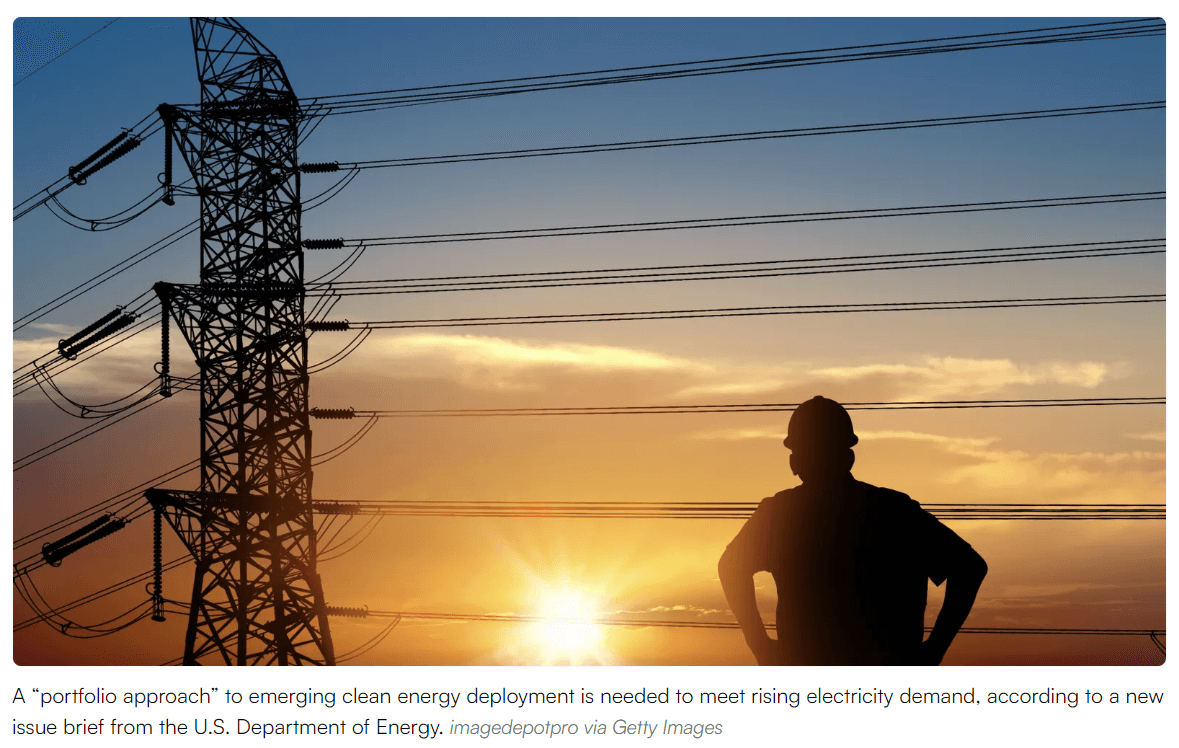
    Rising electricity demand can help support the widespread deployment of emerging clean energy technologies, but doing so will require “a broad culture change” across utilities and the power sector landscape, Jigar Shah, director of the U.S. Department of Energy’s Loan Programs Office, said Thursday. 

    “This isn’t just about technology,” Shah said in a discussion of a new DOE “liftoff” topic brief. 

    DOE has published liftoff reports covering power-sector technologies — including advanced grid solutions, nuclear, next-generation geothermal resources and virtual power plants — that agency officials say are part of a portfolio approach needed to address rising electricity demand. The topic brief published last week addresses how rising demand can accelerate deployment of those and other emerging technologies.  

    “Accelerating liftoff for these technologies could collectively add hundreds of gigawatts of capacity on the system to meet demand needs by the mid-2030s,” according to the brief. 

    Utilities have for decades “been using the same playbooks to build centralized generation and associated transmission and distribution to meet long-term demand needs. And it’s largely worked,” Shah said. “But with demand growth accelerating from data centers, new manufacturing, a surge of electric vehicles and electrified appliances … an old grid operations paradigm needs to be updated.”  

    Para leer más ingrese a:

    https://www.utilitydive.com/news/utilities-culture-change-deploy-emerging-clean-resources-Shah-LPO-doe-liftoff/726393/

  • Managing Voltage issues caused by Rooftop PV and battery – case study from New Zealand 

    Managing Voltage issues caused by Rooftop PV and battery – case study from New Zealand 

    In NZ a rural customer connected a battery and rooftop solar system to the local grid, giving us the opportunity to study and make conclusions. While the power output of individual community installations is very small compared to traditional large generators on the entire network, there will be a growing cumulative effect which may change how we manage networks. 

    In this case, the installation elevated the line voltage over statutory limits resulting in curtailed export, and so possible solutions were sought. There is also the revenue and expenditure side of the utility to consider, as they make the most of their income from supplying electricity to customers. If customers purchase less energy then the distribution businesses will need to change ways to fund infrastructure development and operation. 

    This manuscript is split into the following sections. Firstly, an overview of the applicable standards for managing inverter voltage rises. Secondly, tapping the distribution transformer to obtain the desired voltage. Thirdly, our local experience how the power factor of LV networks has been changing which affects the voltage. Fourthly, the case study on the rural block with rooftop solar and battery. Lastly, the implications for the network and conclusions. 

    Para leer más ingrese a:

    https://electra.cigre.org/335-august-2024/technology-e2e/managing-voltage-issues-caused-by-rooftop-pv-and-battery-case-study-from-new-zealand.html

  • What works to reduce emissions: lessons for European climate policies towards 2040 

    What works to reduce emissions: lessons for European climate policies towards 2040 

    Five years after the European Union (EU) announced its pledge to reach carbon neutrality by 2050, the EU has adopted most of the climate policies that are supposed to put it on track to achieve the intermediary objectives of 2030. The upcoming European Commission will have to continue reinforcing this policy framework while setting up goals and policies for 2040. 

    As highlighted by the ESABCC, whose goal is to review and advise on climate policies, ex-post assessment of policies is fundamental to improving them. Out of the 69 indicators listed in the report to assess the progress, only ten are “on track” or “almost on track” (list provided as a footnote).[1] Hence, efforts must be stepped up while the European Green Deal measures, which are included and associated with the EU carbon neutrality commitment, are being enacted. Expectations are high, and one can be hopeful: in 2023, a record 15% reduction took place in the sectors covered by the EU ETS, primarily thanks to the sharp increase of renewables in the power sectors that year. With this development, ETS emissions are now around 47% below 2005 levels and well on track to achieve the 2030 target of 62% GHG emission reduction. 


    In that regard, a recent article (Stechemesser et al., 2024) in Science systematically evaluated over 1,500 climate policies across 41 countries, identifying those that led to significant emission reductions over the past two decades. Some of its findings may also inform the preparation of policies towards 2040. 


    The article finds that policies effective at abating emissions are diverse but often share common traits, such as regulatory solid frameworks, carbon pricing and targeted subsidies. It finds that combining different types of policies (e.g., pricing mechanisms, regulations, and subsidies) often yields better results than standalone policies. Of course, it reminds no single policy approach works universally; policies’ (and policy mixes’) effectiveness varies across sectors, economic contexts, and countries. 

    Para leer más ingrese a:

    https://fsr.eui.eu/what-works-to-reduce-emissions-lessons-for-european-climate-policies-towards-2040/

  • Crucial role of cybersecurity protection for PLCs 

    Crucial role of cybersecurity protection for PLCs 

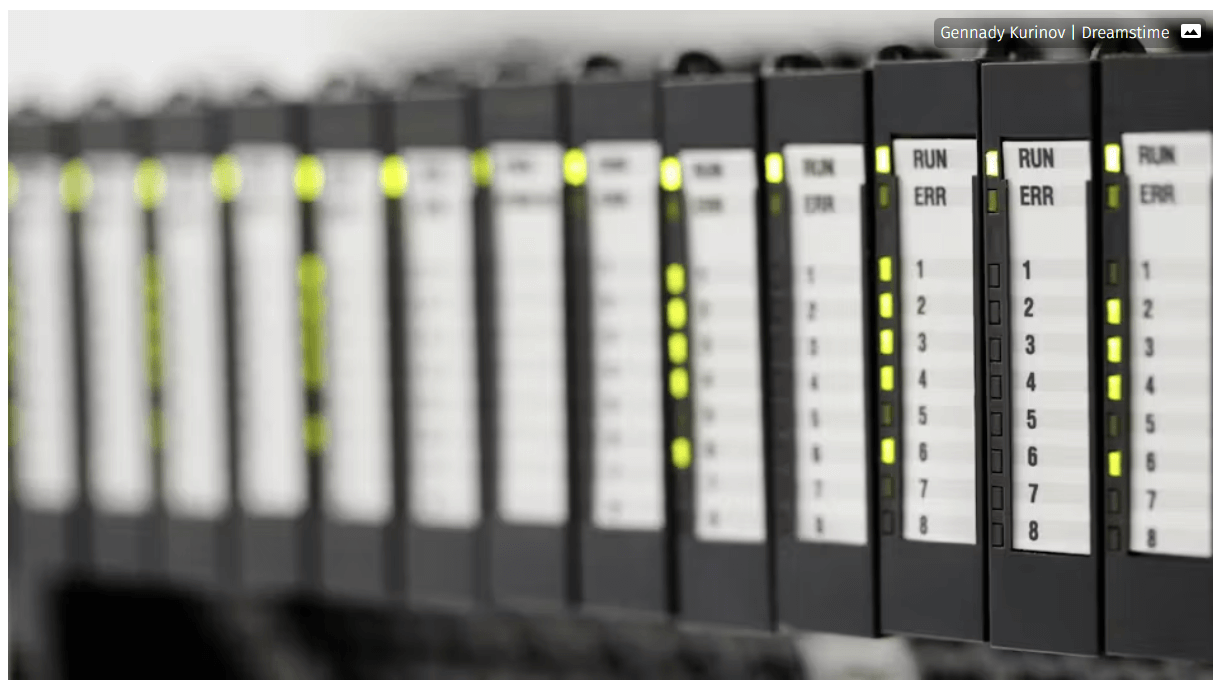
    In today’s interconnected world, industrial processes and critical infrastructure—including your operational technology—heavily rely on automation to streamline operations, enhance efficiency, and reduce human error. Programmable logic controllers (PLC) are at the heart of these automation systems, controlling everything from manufacturing processes to power distribution. 

    However, as PLCs become more interconnected and integrated into larger networks, they also become vulnerable to cyber threats. Understanding the significance that PLC cybersecurity can offer for your organization will help protect PLCs and, by extension, safeguard your critical OT infrastructure. 

    Understanding PLCs—and the rise in threats 

    PLCs are specialized computing devices designed to control and automate industrial processes. They execute a set of instructions based on input from sensors and other devices, making them an integral part of industries like manufacturing, energy production, and transportation. PLCs are essential for maintaining precise control over complex systems, but this dependence on automation also makes them a prime target for cyberattacks. 

    Cyber threats to critical infrastructure have been on the rise in recent years. Malicious actors, ranging from nation-states to criminal organizations, recognize the potential chaos and destruction they can cause by targeting industrial control systems (ICS) and PLCs. These attacks can lead to operational disruptions, financial losses, and, in the worst-case scenario, endanger human lives. 

    Para leer más ingrese a:

    https://www.smartindustry.com/benefits-of-transformation/cybersecurity/article/55135111/crucial-role-of-cybersecurity-protection-for-plcs

  • Q&A: Six Charts for Six Solutions to the Battery Mineral Challenge 

    Q&A: Six Charts for Six Solutions to the Battery Mineral Challenge 

    In a recent webinar, we discussed the findings and implications of The Battery Mineral Loop report, including six solutions that can help eliminate the need for newly mined battery minerals by 2050. The webinar had a highly engaged audience who asked far more questions than we had time to answer. We have grouped these questions to dive deeper into each of the six solutions, as shown below. 


    This topic received the most questions by far, so we’ll start here. The 5 percent figure is outdated and has been misconstrued. It actually refers to the quantity of battery minerals recycled versus demanded in a given year, not the recycling rate at the end of a battery’s life. Since battery production is growing exponentially, the recycling that occurs within a given year — determined by battery sales from about a decade earlier — is naturally smaller than current sales. Currently, this percentage stands at 10 percent for lithium and nickel, and 25 percent for cobalt globally. 

    Para leer más ingrese a:

    Q&A: Six Charts for Six Solutions to the Battery Mineral Challenge

  • Smart Cities Technology and Data 

    Smart Cities Technology and Data 

    Four U.S. cities were recognized in June by Results for America and Bloomberg Philanthropies for their “exceptional” use of data to inform policy, allocate funding, improve services, evaluate programs and engage residents, according to a news release. 

    The cities newly certified through the What Works Cities Certification program are Dallas; Boise, Idaho; Issaquah, Washington; and Sugar Land, Texas, along with five cities in Latin America. These communities will join the 74 other cities that have accomplished certification since the program launched in 2017.  

    What makes the certified cities special is that they are putting practices into action, said Rochelle Haynes, managing director of What Works Cities Certification. “It’s not just putting the data out there. It’s not saying you have the dashboards, but it’s … saying how are we leveraging those to actually make decisions and decisions that connect to people,” she said. 

    The newly certified communities used data in distinct ways. For example, Issaquah used data to connect those experiencing homelessness with resources and shared data with local businesses to help reduce burglaries and theft. Boise used data at dozens of community meetings to engage residents in its decision to build a new water treatment facility. Sugar Land analyzed population, housing and code violation data to develop a program that helped residents upgrade more than 166 homes. 

    Para leer más ingrese a:

    https://www.smartcitiesdive.com/trendline/smart-cities-technology-and-data/348/

  • Are firms ready for the cost of AI failures? 

    Are firms ready for the cost of AI failures? 

    When McDonald’s was forced to remove an AI-powered ordering system from its US drive-through restaurants in June 2024, it served as an example of what can happen when the new technology goes wrong. 

    The fast food giant’s voice-activated technology began to misinterpret customer orders to comic effect, registering requests for bacon-topped ice cream and hundreds of dollars’ worth of chicken nuggets. Naturally, videos of these gaffes went viral and sparked a torrent of mocking press headlines, forcing the chain to shelve its partnership with IBM, which supplied the ordering system. 

    As AI proliferates, such system failures are becoming increasingly common, with organisations including Microsoft, Air Canada, Tesla and Amazon all experiencing   their own embarrassing incidents. The costs can be significant in terms of business continuity, brand damage, lawsuits and even regulatory action. 

    But that hasn’t dampened enthusiasm for AI’s potential. Again, look at McDonald’s: despite the blunder, the company maintains the technology is “part of its restaurants’ future”, highlighting the obvious efficiencies promised by AI solutions. 

    So how can firms minimise the risks while maximising the benefits? 

    Para leer más ingrese a:

    https://www.raconteur.net/technology/cost-ai-failures

  • The role of energy storage & recycling in the distributed renewable energy market 

    The role of energy storage & recycling in the distributed renewable energy market 

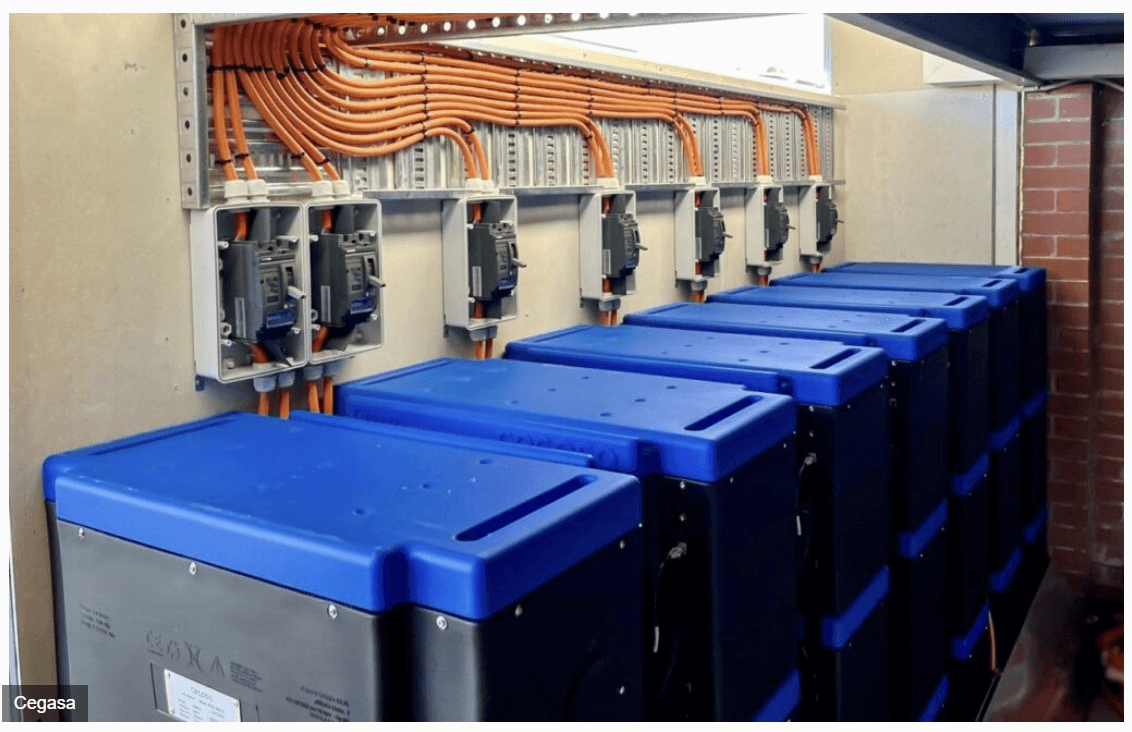
    Integrating variable renewable energy resources into power grids is crucial for achieving a sustainable energy future. A key enabler of this integration is energy storage, which facilitates the expanded use of renewable energy technologies. This not only increases access to electricity in emerging markets but also enhances the resilience, reliability, stability, and quality of energy systems—factors that are essential for supporting productive energy use[1]. 

    Over the past decade, the market for batteries in distributed renewable energy (DRE) systems has experienced a significant decline in prices. According to a 2023 analysis by Bloomberg NEF, the average cost of batteries dropped by 14% in 2023, falling from USD 161/kWh in 2022 to USD 139/kWh[2]. Unlike previous years, where technological innovation was the primary driver of price reductions, the recent decrease appears to be largely due to lower costs of raw materials. Experts anticipate that battery prices will continue to fall in the coming years, with some projections suggesting costs could drop below USD 100/kWh by 2027. For instance, as of 2021, lithium-ion batteries were priced at approximately USD 123 per kWh on average. By 2030, these prices are expected to decrease further to around USD 75 per kWh. 

    Para leer más ingrese a:

    The role of energy storage & recycling in the distributed renewable energy market

  • A Plan to Create an Energy Infrastructure in Rwanda Focused on Small Nuclear-Based Microgrids 

    A Plan to Create an Energy Infrastructure in Rwanda Focused on Small Nuclear-Based Microgrids 

    Nearly 35% of Rwandan residents lack access to electricity and the country has no oil reserves and few gas reserves. 

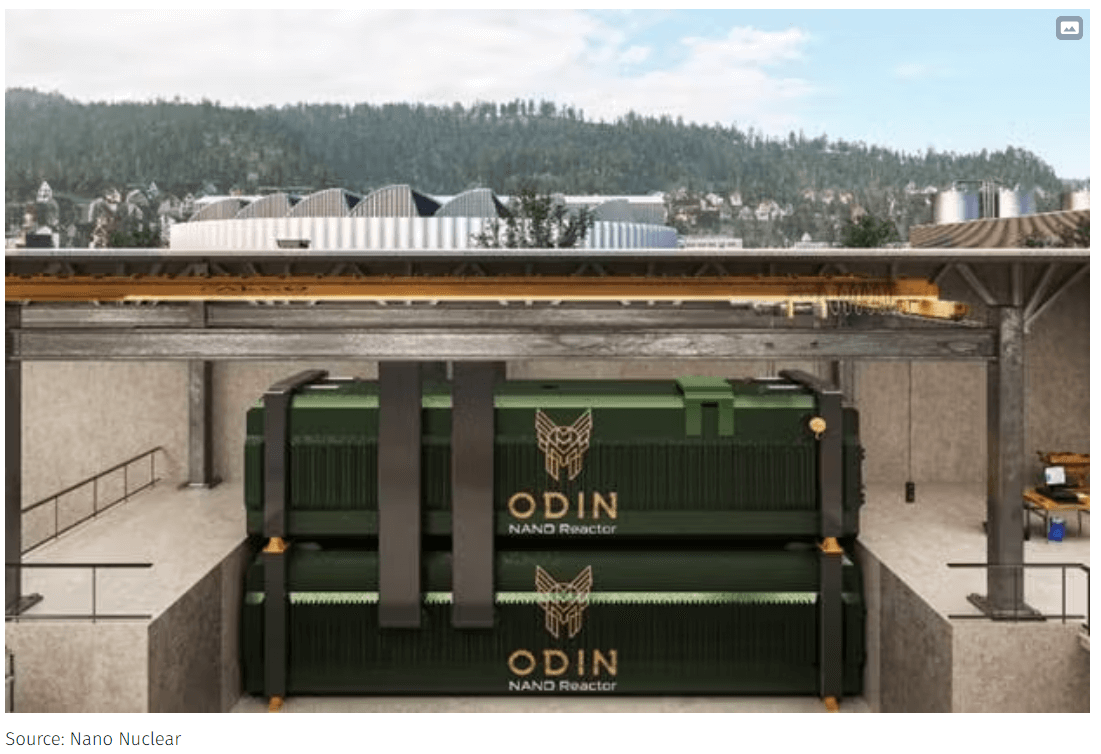
    To help provide electricity and improve the quality of life in rural areas, small nuclear reactor provider Nano Nuclear Energy, working with the Rwandan government, plans to create an infrastructure based on microgrids that include nuclear microreactors – which have a capacity of less than 20 MW – and small modular nuclear reactors, which range in size from 12 MW to hundreds of megawatts. 


    The microreactors and small nuclear reactors would help power critical services such as medical facilities, desalination plants and vertical farming operations – along with powering homes – ensuring residents have improved access to water and food, said James Walker, CEO of Nano Nuclear Energy. 

    “If you have a remote community and there’s no power there, even things like water and food become pretty difficult to navigate,” Walker said. 

    Para leer más ingrese a:

    https://www.microgridknowledge.com/generation-fuels/article/55137552/a-plan-to-create-an-energy-infrastructure-in-rwanda-focused-on-small-nuclear-based-microgrids

  • How Microgrids Help Utility Companies Balance Electricity Supply and Demand  

    How Microgrids Help Utility Companies Balance Electricity Supply and Demand  

    Utilities are under growing pressure to deliver increasing power to more places. Severe weather, electric vehicles, scorching heat, aging infrastructure, and an influx of new data centers and factories are all making power delivery a complex balancing act. 

    Some utilities are using fossil-fueled power plants and expensive peaker plants to meet this skyrocketing electricity demand. While these plants might offer a short-term solution, they also greatly increase carbon emissions and utility operating costs. 

    Microgrids, on the other hand, give utility companies and their customers a more reliable, efficient, and sustainable distributed energy resource (DER). Here I’ll explain how microgrids can ensure there’s enough power for the people and places that need it. 

    Para leer más ingrese a:

    https://www.tdworld.com/distributed-energy-resources/article/55135898/how-microgrids-help-utility-companies-balance-electricity-supply-and-demand

Busca los documentos, noticias y tendencias más relevantes del sector eléctrico

Buscador de documentos
Buscador de noticias y tendencias

Banco de Información

Descripción del semáforo tecnológico

Los documentos se clasifican en varios colores tipo semáforo tecnológico que indican el nivel de implementación de la tecnología en el país

Tecnología en investigación que no ha sido estudiado o reglamentado por entidades del sector.

La tecnología se aplica de manera focal y se encuentra en estudio por parte de las entidades del sector.

La tecnología se aplica de manera escalable y se encuentran políticas y regulaciones focales establecidas.

La tecnología se aplica a través de servicios  y se encuentran políticas y regulaciones transversales establecidas.

La tecnología se aplica de manera generalizada  y se tiene un despliegue masivo de esta.

Para acceder a todos los documentos publicados y descargarlos ingresa aquí