
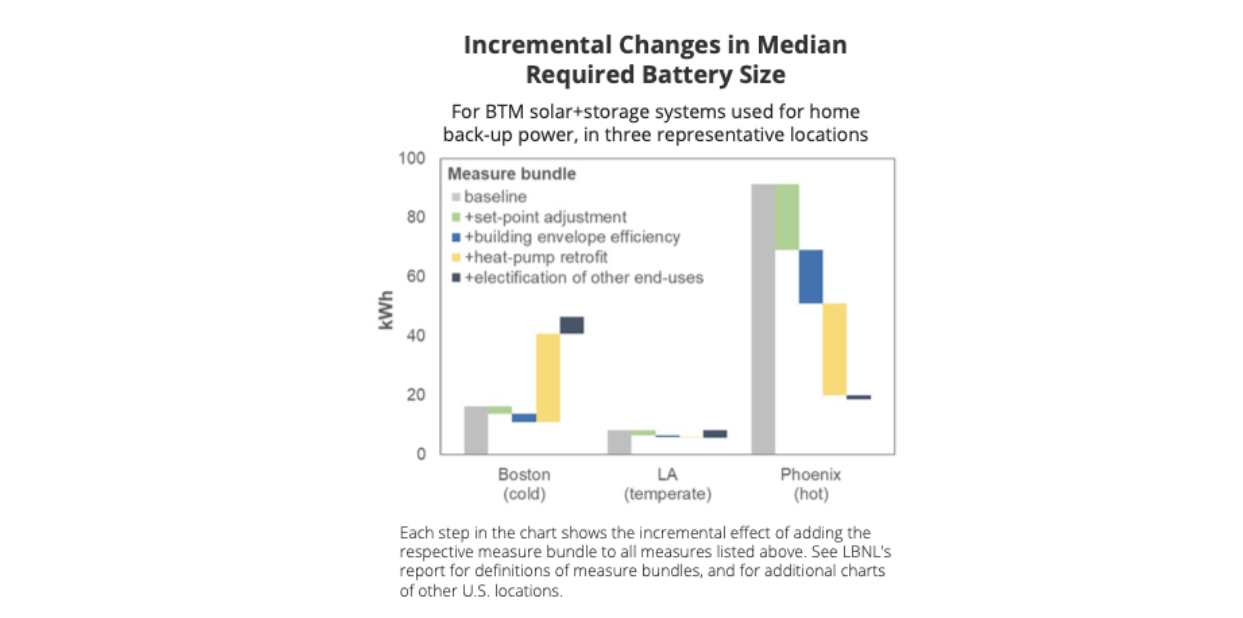
I’m fortunate to live in an area of the United States where I’ve rarely worried about power outages beyond an occasional, harmless blip – until recently, that is. After enduring rolling blackouts during a severe cold snap (Winter Storm Elliott) in December 2022 and a multi-day outage arising from violent thunderstorms last August, I now pay serious attention to reliability and backup power. Of course, much of the rest of the country was already in this boat, and the boat seems to grow larger each season.
There are, well, a boatload of reasons why interest in grid reliability and backup power is attracting more attention nationally. In addition to cold snaps and summer storms, power outages have sprung from winter storms, hurricanes, wildfires, vandalism and terrorism, and preventative power shut-offs by utilities. Some of these menaces have become more frequent and more extreme. Others have emerged as new threats – and realities – in areas where they didn’t previously occur, or only occurred very rarely.
Traditionally, onsite backup generators have been powered by fossil fuels. But this is changing. Thanks to mounting interest in decarbonization, robust financial incentives (including tax incentives available under the federal Inflation Reduction Act), technology advances, new market opportunities and industry leadership, behind-the-meter (BTM) solar and battery storage systems are becoming a viable alternative. During an outage, these systems can power critical loads or provide whole building back-up for homes and non-residential buildings.
Para leer más ingrese a:
https://sepapower.org/knowledge/batteries-included-transforming-homes-into-resilient-power-hubs/
Compartir artículo
Para información general sobre la organización: difusion@colombiainteligente.org | Dirección: Edf. TecnoParque Cr 46#56-11 Piso 13 | Medellín – Colombia
Teléfono: +57-4-4441211 Ext. 171 | FAX: +57-4-4440460
Los documentos se clasifican en varios colores tipo semáforo tecnológico que indican el nivel de implementación de la tecnología en el país
Tecnología en investigación que no ha sido estudiado o reglamentado por entidades del sector.
La tecnología se aplica de manera focal y se encuentra en estudio por parte de las entidades del sector.
La tecnología se aplica de manera escalable y se encuentran políticas y regulaciones focales establecidas.
La tecnología se aplica a través de servicios y se encuentran políticas y regulaciones transversales establecidas.
La tecnología se aplica de manera generalizada y se tiene un despliegue masivo de esta.
Para acceder a todos los documentos publicados y descargarlos ingresa aquí