
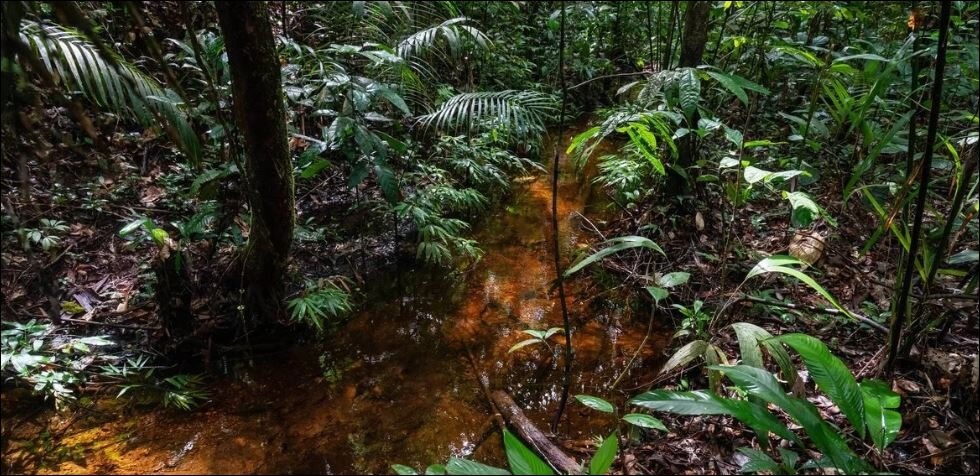
Spending days camping in a mosquito-filled swamp on the Indonesian island of Borneo, Alison Hoyt’s goal was to measure methane emissions in tropical wetlands – one of the largest sources of the potent greenhouse gas. Then a graduate student, Hoyt spent a lot of time installing and monitoring sensors in challenging field conditions. Specialized environmental methane sensors cost upwards of $30,000 and struggled with the extreme humidity. Now at Stanford, Hoyt and collaborators are working on a new approach to overcome these challenges: calibrating commercially available sensors to do the job at a fraction of the cost. Networks of these sensors could be left unattended in remote field sites to continuously monitor emissions.
“My experiences in the field really motivated me to find a better way to collect data,” Hoyt said. “Getting a handle on greenhouse gas emissions gets more urgent every day, and no one knows exactly why methane levels in the atmosphere keep rising.”
Para leer más ingrese a:
https://woods.stanford.edu/news/getting-handle-potent-climate-threat
Compartir artículo
Para información general sobre la organización: difusion@colombiainteligente.org | Dirección: Edf. TecnoParque Cr 46#56-11 Piso 13 | Medellín – Colombia
Teléfono: +57-4-4441211 Ext. 171 | FAX: +57-4-4440460

Los documentos se clasifican en varios colores tipo semáforo tecnológico que indican el nivel de implementación de la tecnología en el país
Tecnología en investigación que no ha sido estudiado o reglamentado por entidades del sector.
La tecnología se aplica de manera focal y se encuentra en estudio por parte de las entidades del sector.
La tecnología se aplica de manera escalable y se encuentran políticas y regulaciones focales establecidas.
La tecnología se aplica a través de servicios y se encuentran políticas y regulaciones transversales establecidas.
La tecnología se aplica de manera generalizada y se tiene un despliegue masivo de esta.
Para acceder a todos los documentos publicados y descargarlos ingresa aquí