
RMI (formerly Rocky Mountain Institute), an independent nonprofit focused on transforming global energy systems, and Virtual Power Plant Partnership (VP3), a coalition of nonprofits and organizations focused on unlocking the market potential of VPPs, recently released the report, entitled “Power Shift: How Virtual Power Plants Unlock Cleaner, More Affordable Electricity Systems.”
The report explores the potential role VPPs could play in transforming and decarbonizing the electricity grid, as well as delivering affordable, reliable power.
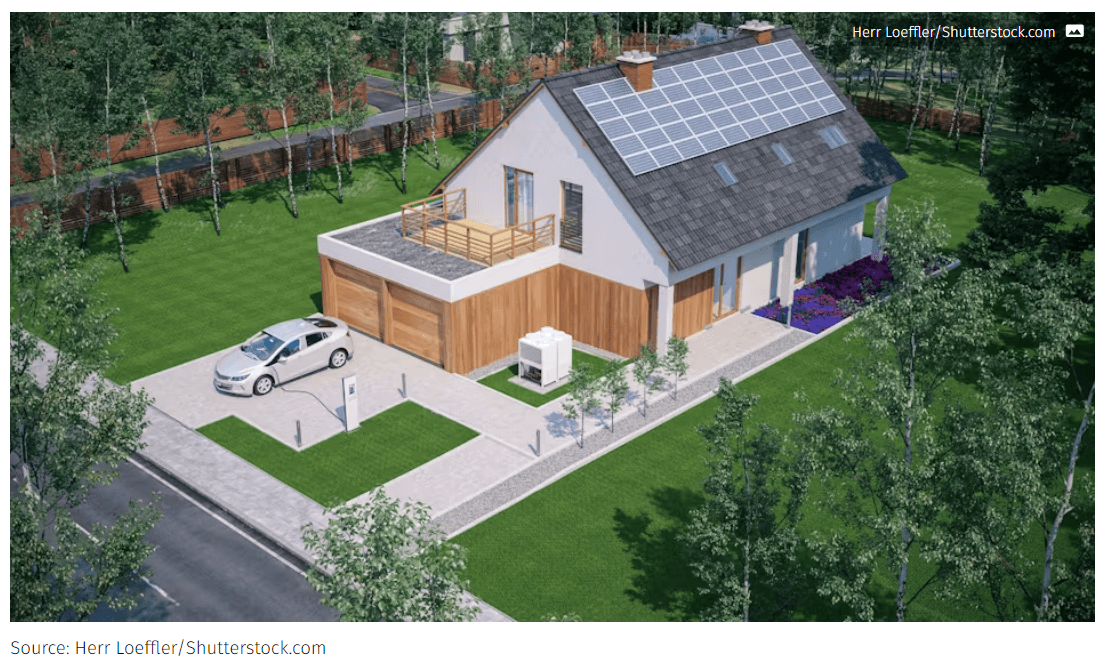
VPPs use advanced software and communication technologies to manage, optimize and coordinate the output of distributed energy resources (DERs), like rooftop solar and energy storage systems, electric vehicles, smart thermostats, and smart home devices, such as appliances, televisions and smart lights.
Virtual power plants aggregate tens, hundreds or even thousands of DERs into a single, dispatchable resource that can either reduce load or create supply during times of peak demand, helping the grid to stay in balance.
DER owners that participate in a VPP typically receive incentive payments ranging between $500 to $1,000 per year, depending on the program.
Para leer más ingrese a:
https://www.microgridknowledge.com/distributed-energy/virtual-power-plant/article/55142628/rmis-new-report-vpps-could-prevent-up-to-28-million-tons-of-carbon-emissions-by-2035Compartir artículo
Para información general sobre la organización: difusion@colombiainteligente.org | Dirección: Edf. TecnoParque Cr 46#56-11 Piso 13 | Medellín – Colombia
Teléfono: +57-4-4441211 Ext. 171 | FAX: +57-4-4440460

Los documentos se clasifican en varios colores tipo semáforo tecnológico que indican el nivel de implementación de la tecnología en el país
Tecnología en investigación que no ha sido estudiado o reglamentado por entidades del sector.
La tecnología se aplica de manera focal y se encuentra en estudio por parte de las entidades del sector.
La tecnología se aplica de manera escalable y se encuentran políticas y regulaciones focales establecidas.
La tecnología se aplica a través de servicios y se encuentran políticas y regulaciones transversales establecidas.
La tecnología se aplica de manera generalizada y se tiene un despliegue masivo de esta.
Para acceder a todos los documentos publicados y descargarlos ingresa aquí