
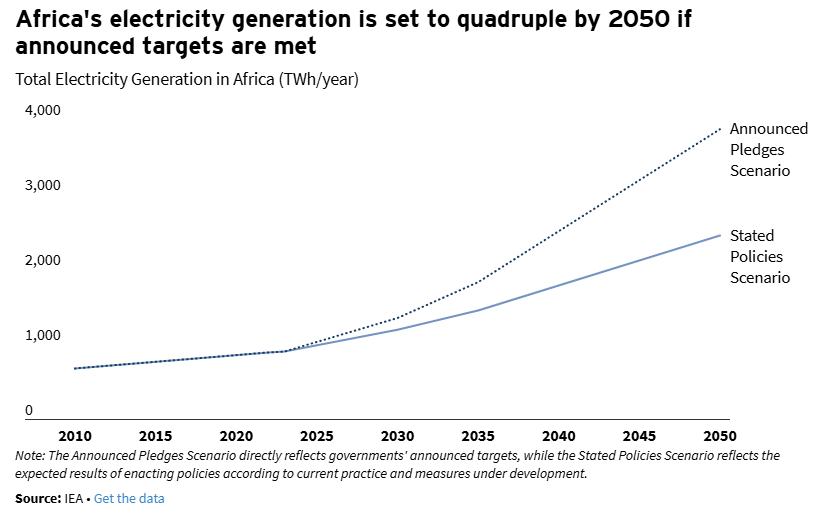
Delivering power at least cost requires physical infrastructure, such as the solar panels and batteries in clean energy portfolios, as well as the information infrastructure that allows these components to work together. Emergent climate tech is part of both dimensions. On the physical infrastructure side, innovations in long-duration energy storage, for example, will be crucial to a stable grid with a high penetration of variable renewable resources. On the information infrastructure side, the distributed energy resources (DERs) on the grid need to coordinate with these energy storage resources to route excess power to storage, for example, to an iron-air battery or distributed EV batteries owned by customers participating in a vehicle-to-grid program. This piece focuses on the information infrastructure, with the view that emergent climate tech is key to building the intelligent, flexible, and interconnected grids that can wring the most value from the physical infrastructure of today — and of the future.
Electricity grids across the continent are struggling to meet current customer demands. In 2025, most traditional utilities in Africa are manually operating analog electricity systems, with limited knowledge of who their customers are and where their assets are located.
In Nigeria, only 25% of the 12 gigawatts (GW) of installed generation capacity is available due to constraints in generating, transmitting, and distributing power to customers.3 Further, only about half of the electricity there that is distributed to customers is ultimately billed and paid for: in a granular energy audit of the Port‑Harcourt distribution network, billing efficiency stood at only 68.6% and collection efficiency at 76.3%, resulting in an Aggregate Technical, Commercial, and Collection (ATC&C) loss of 49.5%.4 Data from the Nigerian Electricity Regulatory Commission routinely find ATC&C losses ranging from 40%–50% across utilities.5 Most of these distribution networks are operated with manual switches and interfaces. Under these conditions, the difference between overloading a transformer or shutting down safely can come down to whether someone looks at readings on site and makes a phone call to decide when to throw a switch.
Para leer más ingrese a:
The Opportunity for Grid Connectivity, Intelligence, and Flexibility in Africa
Compartir artículo
Para información general sobre la organización: difusion@colombiainteligente.org | Dirección: Edf. TecnoParque Cr 46#56-11 Piso 13 | Medellín – Colombia
Teléfono: +57-4-4441211 Ext. 171 | FAX: +57-4-4440460

Los documentos se clasifican en varios colores tipo semáforo tecnológico que indican el nivel de implementación de la tecnología en el país
Tecnología en investigación que no ha sido estudiado o reglamentado por entidades del sector.
La tecnología se aplica de manera focal y se encuentra en estudio por parte de las entidades del sector.
La tecnología se aplica de manera escalable y se encuentran políticas y regulaciones focales establecidas.
La tecnología se aplica a través de servicios y se encuentran políticas y regulaciones transversales establecidas.
La tecnología se aplica de manera generalizada y se tiene un despliegue masivo de esta.
Para acceder a todos los documentos publicados y descargarlos ingresa aquí