
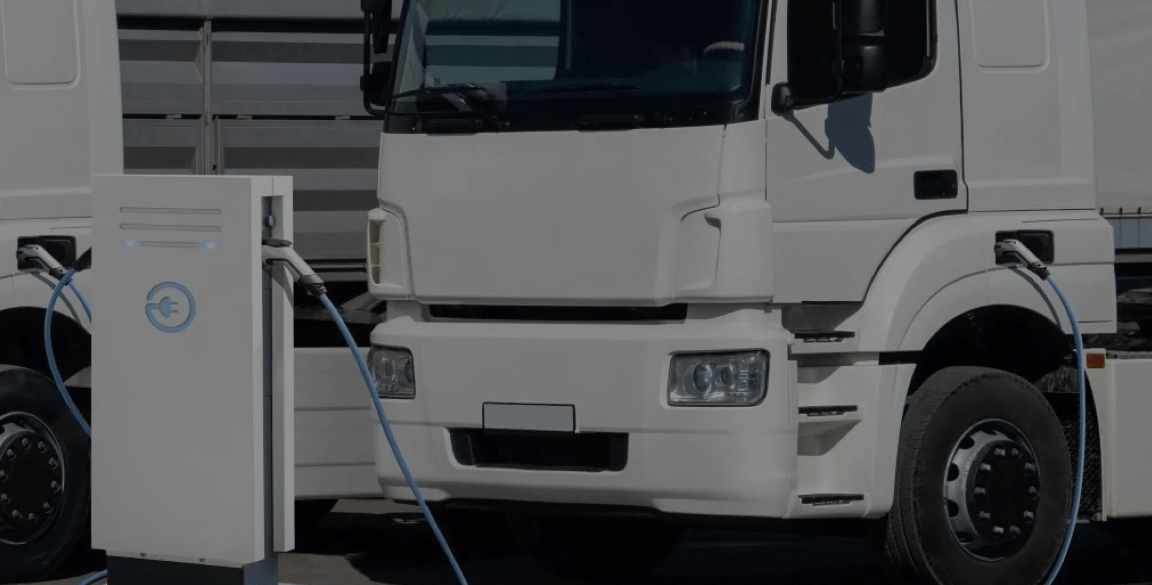
The much-needed shift to electric trucks and buses is picking up speed. But as more fleets of buses, delivery vans, and ultimately larger trucks go electric, their charging needs are set to create significant new loads on the power grid. Many states and utilities have not yet begun planning for these growing loads—and risk losing out on the benefits of electrified fleets to regions that are more prepared.
Two ACEEE publications released today can help utilities launch their planning efforts. A new study estimates expected peak loads in 2030 by state, and a six-page guide recommends seven key steps for utilities and their regulators.
The fleet electrification trend will likely accelerate in the coming years. Fleet managers are increasingly investing in electric trucks and buses for a variety of reasons, including to reduce air pollution, combat climate change, and lower their operating costs. New emissions regulations for trucks as well state regulations requiring increasing shares of vehicles to be zero emission will complement these market drivers.
Compartir artículo
Para información general sobre la organización: difusion@colombiainteligente.org | Dirección: Edf. TecnoParque Cr 46#56-11 Piso 13 | Medellín – Colombia
Teléfono: +57-4-4441211 Ext. 171 | FAX: +57-4-4440460

Los documentos se clasifican en varios colores tipo semáforo tecnológico que indican el nivel de implementación de la tecnología en el país
Tecnología en investigación que no ha sido estudiado o reglamentado por entidades del sector.
La tecnología se aplica de manera focal y se encuentra en estudio por parte de las entidades del sector.
La tecnología se aplica de manera escalable y se encuentran políticas y regulaciones focales establecidas.
La tecnología se aplica a través de servicios y se encuentran políticas y regulaciones transversales establecidas.
La tecnología se aplica de manera generalizada y se tiene un despliegue masivo de esta.
Para acceder a todos los documentos publicados y descargarlos ingresa aquí