
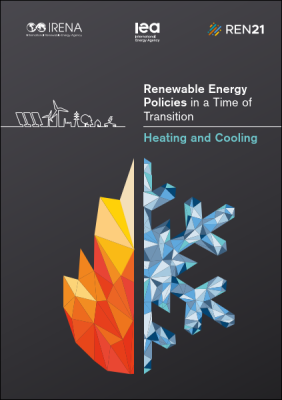
Heating and cooling accounts for almost half of global energy consumption. With most of this relying fossil fuels, however, it contributes heavily to greenhouse gas emissions and air pollution. In parts of the world lacking modern energy access, meanwhile, inefficient biomass use for cooking also harms people’s health, damages the environment and reduces social well-being.
The transition to renewable-based, energy-efficient heating and cooling could follow several possible pathways, depending on energy demand, resource availability and the needs and priorities of each country or region. Broad options include electrification with renewable power, renewable-based gases (including “green” hydrogen), sustainable bioenergy use, and the direct use of solar and geothermal heat.
Para leer más ingrese a:
Compartir artículo
Para información general sobre la organización: difusion@colombiainteligente.org | Dirección: Edf. TecnoParque Cr 46#56-11 Piso 13 | Medellín – Colombia
Teléfono: +57-4-4441211 Ext. 171 | FAX: +57-4-4440460

Los documentos se clasifican en varios colores tipo semáforo tecnológico que indican el nivel de implementación de la tecnología en el país
Tecnología en investigación que no ha sido estudiado o reglamentado por entidades del sector.
La tecnología se aplica de manera focal y se encuentra en estudio por parte de las entidades del sector.
La tecnología se aplica de manera escalable y se encuentran políticas y regulaciones focales establecidas.
La tecnología se aplica a través de servicios y se encuentran políticas y regulaciones transversales establecidas.
La tecnología se aplica de manera generalizada y se tiene un despliegue masivo de esta.
Para acceder a todos los documentos publicados y descargarlos ingresa aquí