
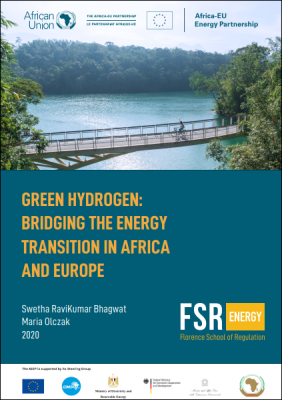
In 2015, the Paris Climate Agreement and the UN Sustainable Development Goals (SDGs) propelled the world into fast track mode towards achieving the sustainability goals. Three decades from now, the global energy landscape will look completely different to today. With the standard of living improving, there is a greater use of devices and services powered by a diversity of energy sources. Superimposed on this diversity, there is a growing universal effort to achieve a rapid decarbonisation of the economy while making sure that no one is left behind, as is addressed in SDG 7.
Trying to achieve the decarbonisation goals on time means that, along with the energy sectors, the use of energy in end-use sectors (transport, buildings and industry) must be included. We need to widen the range of options being used, including attaining a fully networked system providing security of energy supply and system flexibility, and the active engagement of consumers, which goes beyond the current sector-specific approach. In this manner, an integrated approach is evolving with a ‘cross-sector nexus’ or ‘sector coupling.’ However, if the Paris Agreement objectives are to be met, countries need to raise their ambitions to ensure they are on track.
Para leer más ingrese a:
Compartir artículo
Para información general sobre la organización: difusion@colombiainteligente.org | Dirección: Edf. TecnoParque Cr 46#56-11 Piso 13 | Medellín – Colombia
Teléfono: +57-4-4441211 Ext. 171 | FAX: +57-4-4440460

Los documentos se clasifican en varios colores tipo semáforo tecnológico que indican el nivel de implementación de la tecnología en el país
Tecnología en investigación que no ha sido estudiado o reglamentado por entidades del sector.
La tecnología se aplica de manera focal y se encuentra en estudio por parte de las entidades del sector.
La tecnología se aplica de manera escalable y se encuentran políticas y regulaciones focales establecidas.
La tecnología se aplica a través de servicios y se encuentran políticas y regulaciones transversales establecidas.
La tecnología se aplica de manera generalizada y se tiene un despliegue masivo de esta.
Para acceder a todos los documentos publicados y descargarlos ingresa aquí