
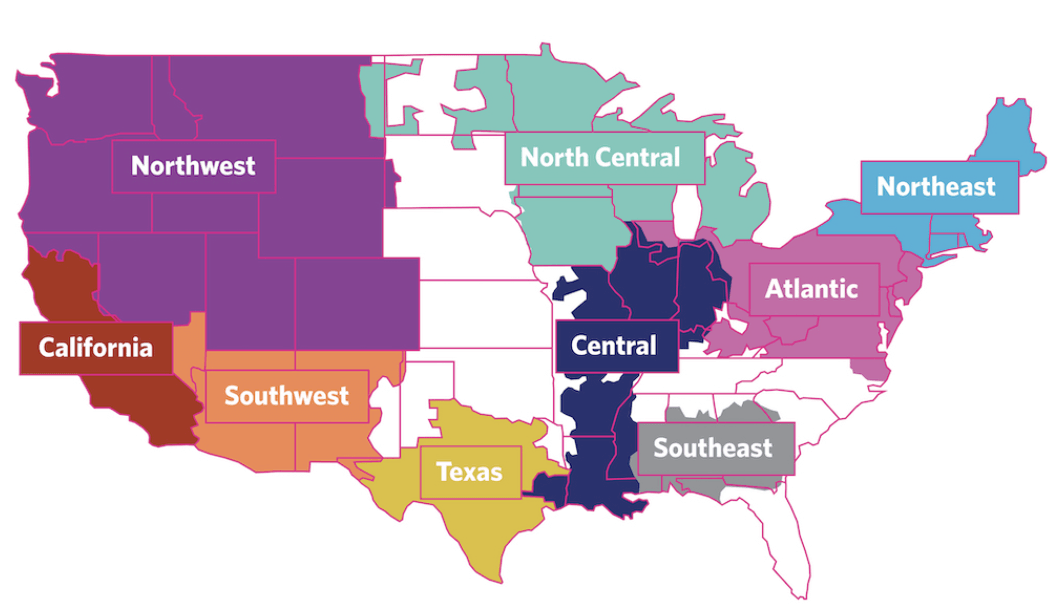
The need to decarbonize the electric power sector is both urgent and challenging. Now, an online model developed by an MIT Energy Initiative team enables other researchers and operators of U.S. regional grids to explore possible pathways to decarbonization. The MIT researchers have input data for nine regional grids—including electricity demand profiles and available wind and solar resources—plus 10 generating and energy storage technologies. The user enters a targeted carbon emissions cap, and the model calculates the minimum-cost combination of available technologies that will meet that cap. Settings allow the user to test the impact of changing fuel costs, restricting the use of certain generating sources, imposing a range of prices on carbon emissions, and more. In sample analyses, the MIT researchers confirmed that the cost-optimized decarbonization strategy varies widely from region to region. They also found that regions with high wind resources were least expensive to decarbonize, that including the emissions associated with making and installing solar and wind facilities is critical, and that California’s current ban on nuclear power plants may limit the regional grid’s ability to decarbonize.
Para leer más ingrese a:
Decarbonizing the U.S. power grid
Compartir artículo
Para información general sobre la organización: difusion@colombiainteligente.org | Dirección: Edf. TecnoParque Cr 46#56-11 Piso 13 | Medellín – Colombia
Teléfono: +57-4-4441211 Ext. 171 | FAX: +57-4-4440460

Los documentos se clasifican en varios colores tipo semáforo tecnológico que indican el nivel de implementación de la tecnología en el país
Tecnología en investigación que no ha sido estudiado o reglamentado por entidades del sector.
La tecnología se aplica de manera focal y se encuentra en estudio por parte de las entidades del sector.
La tecnología se aplica de manera escalable y se encuentran políticas y regulaciones focales establecidas.
La tecnología se aplica a través de servicios y se encuentran políticas y regulaciones transversales establecidas.
La tecnología se aplica de manera generalizada y se tiene un despliegue masivo de esta.
Para acceder a todos los documentos publicados y descargarlos ingresa aquí