
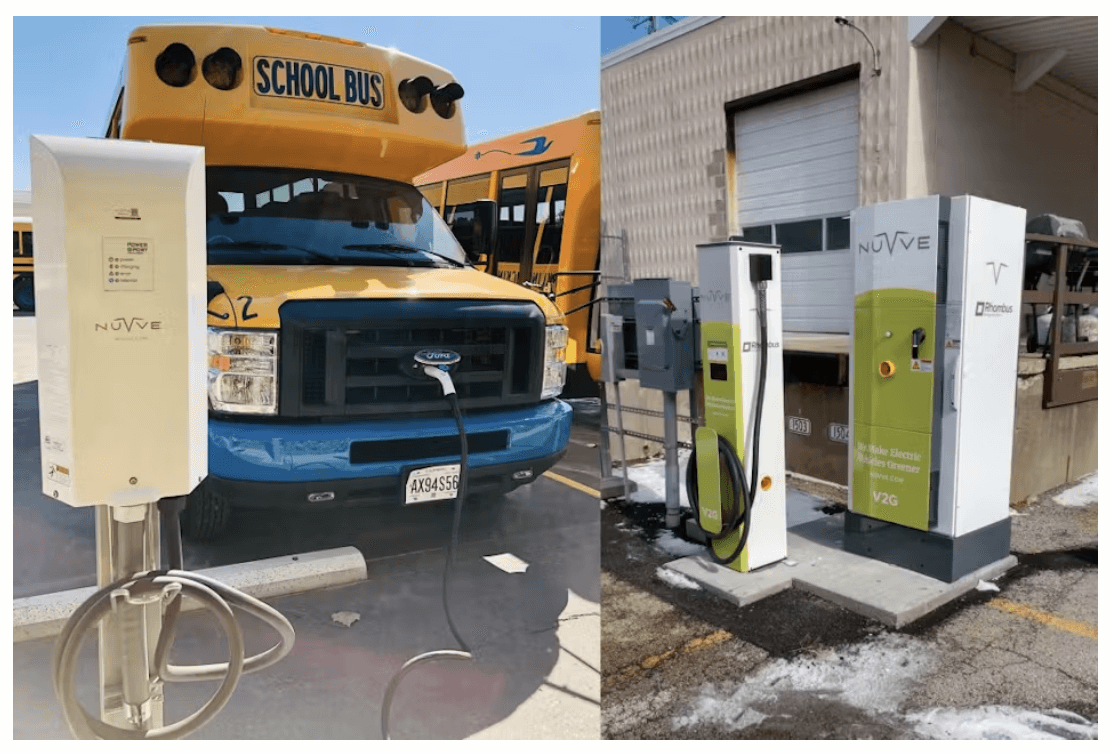
Electric vehicles (EV) often sit idle, which creates opportunities for them to become mobile microgrids that utilize bidirectional charging to send battery power to the grid, homes and businesses.
In a move that’s said to convey an important market signal about the benefits of bidirectional charging, Governor Gavin Newsom on September 27 signed into law SB 59, which could lead to the California Energy Commission (CEC) requiring classes of EVs sold in California to include bidirectional charging capability.
But in order to take full advantage of all the battery power stored in EVs, new regulations and incentives are needed, industry members said.
California expects to have 7 million EVs on the road by 2030. But only a small percentage of the state’s electric vehicle fleet has bidirectional capability, according to The Climate Center.
That’s beginning to change. Ford offers the bidirectional Ford-F-150 Lightning. Tesla and General Motors have announced some vehicles will have bidirectional capability – and will be able to support home resilience, microgrids and virtual power plants – beginning as early as next year, said Peter Asmus, executive director, Alaska Microgrid Group.
Para leer más ingrese a:
Compartir artículo
Para información general sobre la organización: difusion@colombiainteligente.org | Dirección: Edf. TecnoParque Cr 46#56-11 Piso 13 | Medellín – Colombia
Teléfono: +57-4-4441211 Ext. 171 | FAX: +57-4-4440460

Los documentos se clasifican en varios colores tipo semáforo tecnológico que indican el nivel de implementación de la tecnología en el país
Tecnología en investigación que no ha sido estudiado o reglamentado por entidades del sector.
La tecnología se aplica de manera focal y se encuentra en estudio por parte de las entidades del sector.
La tecnología se aplica de manera escalable y se encuentran políticas y regulaciones focales establecidas.
La tecnología se aplica a través de servicios y se encuentran políticas y regulaciones transversales establecidas.
La tecnología se aplica de manera generalizada y se tiene un despliegue masivo de esta.
Para acceder a todos los documentos publicados y descargarlos ingresa aquí