
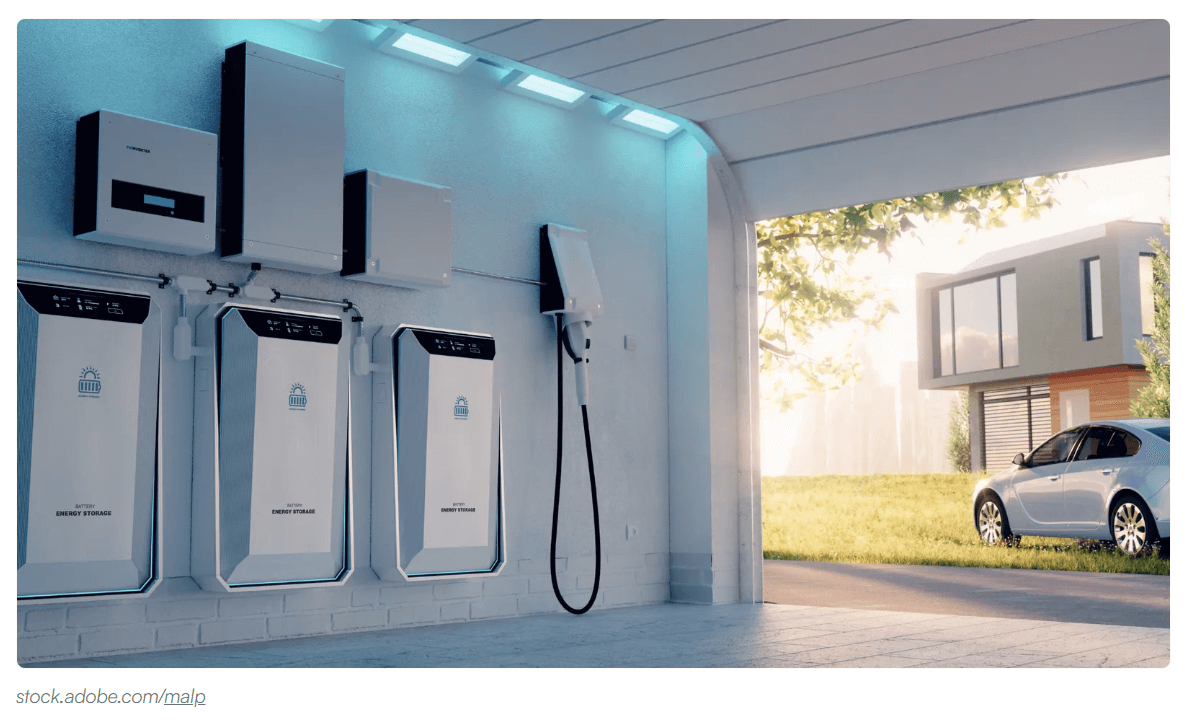
Generally, most Behind-the-Meter (BTM) Distributed Energy Resources (DER) are controlled by Demand Response Management Systems (DRMS). The DRMS is a software solution designed to control and manage DERs like smart thermostats, smart water heaters and other BTM devices. DRMS come from the IT side of the world which makes it challenging for them to be grid responsive, meaning that they primarily provide market interface modules without integrating directly with grid operations and also, cannot communicate with the grid to receive or send data about energy usage, supply or demand. Therefore, the teams that operate the DRMS (usually customer programs) focus on reducing peak demand by turning down customers smart thermostats.
BTM DER are evolving rapidly and expanding into numerous types of devices such as Electric Vehicles (EVs), Battery Energy Storage Systems (BESS), smart water heaters, and so on. In response to this, grid operators need DRMS systems to evolve. This evolution can only be natural as the systems are now expected to integrate with the grid as the energy transition advances, as well as the ever evolving regulations and market structures which are pushing utilities to adopt more flexible and dynamic demand response strategies. The increased adoption of DERs worldwide due to a number of factors including net zero goals requires a more sophisticated management system to ensure that they can be effectively managed and integrated into the grid. As BTM DER penetration grows, control center operators will feel the impact of this growth for grid reliability and safety. This is where grid responsive Distributed Energy Resource Management Systems, or DERMS, comes in.
Para leer más ingrese a:
https://www.utilitydive.com/spons/from-aggregation-to-action-implementing-effective-behind-the-meter-control/728729/Compartir artículo
Para información general sobre la organización: difusion@colombiainteligente.org | Dirección: Edf. TecnoParque Cr 46#56-11 Piso 13 | Medellín – Colombia
Teléfono: +57-4-4441211 Ext. 171 | FAX: +57-4-4440460

Los documentos se clasifican en varios colores tipo semáforo tecnológico que indican el nivel de implementación de la tecnología en el país
Tecnología en investigación que no ha sido estudiado o reglamentado por entidades del sector.
La tecnología se aplica de manera focal y se encuentra en estudio por parte de las entidades del sector.
La tecnología se aplica de manera escalable y se encuentran políticas y regulaciones focales establecidas.
La tecnología se aplica a través de servicios y se encuentran políticas y regulaciones transversales establecidas.
La tecnología se aplica de manera generalizada y se tiene un despliegue masivo de esta.
Para acceder a todos los documentos publicados y descargarlos ingresa aquí