
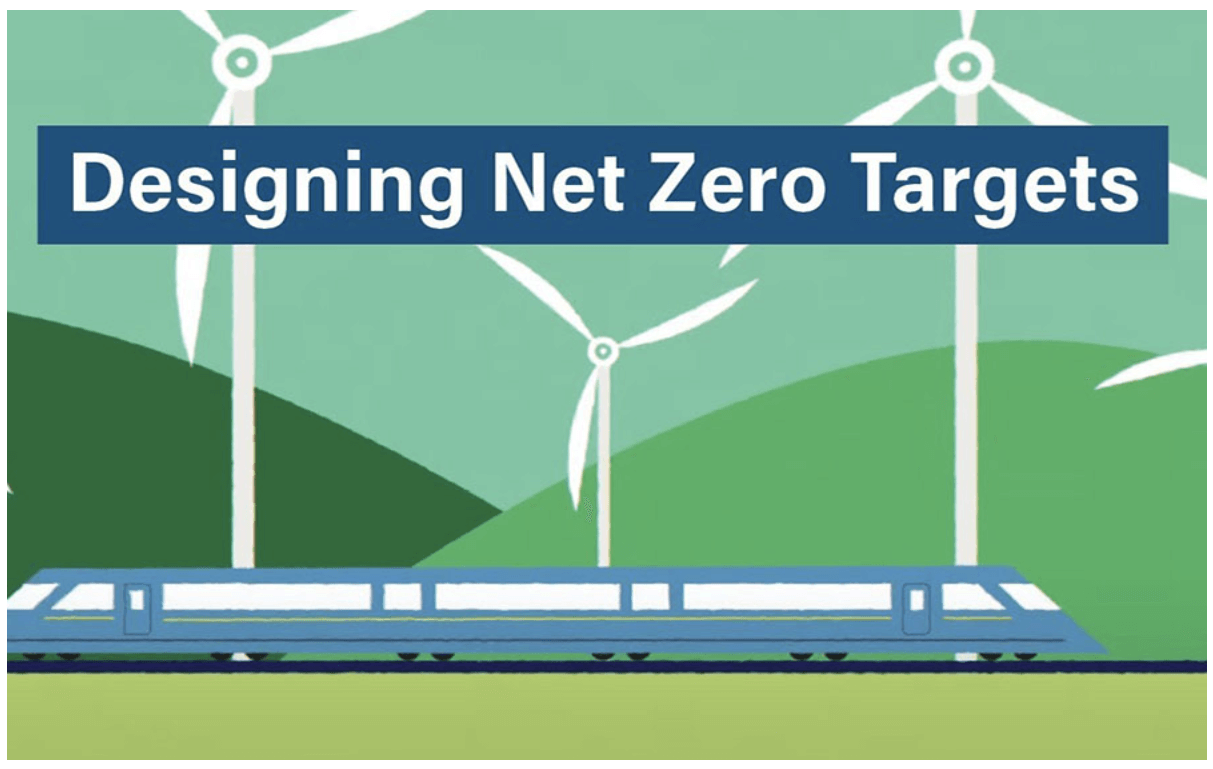
From last year’s floods in North Carolina to this year’s wildfires in Los Angeles, we are witnessing what happens in a world that has exceeded 1.5 degrees Celsius of warming above preindustrial times. Beyond that threshold, floods, droughts, wildfires and other climate impacts are expected to further escalate in frequency, intensity and lethality. To avert that scenario, nearly 200 signatory nations of the Paris Agreement on climate change have pledged to cap global warming at 1.5°C, a goal that will likely require all nations to collectively achieve net-zero carbon dioxide emissions by 2050.
To scope out how the net-zero CO2 emissions target can be met in the United States without imposing adverse effects on different economic sectors and income groups, nine researchers at the U.S. Environmental Protection Agency (EPA), MIT Center for Sustainability and Strategy (CS3), Colorado School of Mines, and RTI International—all participants in the 37th Energy Modeling Forum—have simulated several net-zero projections. Using a linked version of CS3’s U.S. Regional Energy Policy (USREP) model and the National Renewable Energy Laboratory’s Regional Energy Deployment System (ReEDS) model, they have produced a clearer picture of what a transition to net-zero might look like and the role played by different policies and technologies.
Para leer más ingrese a:
Compartir artículo
Para información general sobre la organización: difusion@colombiainteligente.org | Dirección: Edf. TecnoParque Cr 46#56-11 Piso 13 | Medellín – Colombia
Teléfono: +57-4-4441211 Ext. 171 | FAX: +57-4-4440460

Los documentos se clasifican en varios colores tipo semáforo tecnológico que indican el nivel de implementación de la tecnología en el país
Tecnología en investigación que no ha sido estudiado o reglamentado por entidades del sector.
La tecnología se aplica de manera focal y se encuentra en estudio por parte de las entidades del sector.
La tecnología se aplica de manera escalable y se encuentran políticas y regulaciones focales establecidas.
La tecnología se aplica a través de servicios y se encuentran políticas y regulaciones transversales establecidas.
La tecnología se aplica de manera generalizada y se tiene un despliegue masivo de esta.
Para acceder a todos los documentos publicados y descargarlos ingresa aquí