
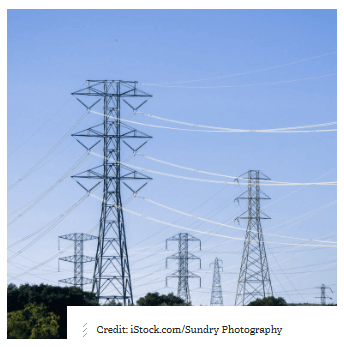
Improving the US electric power system would provide many benefits, whether the goal is to keep up with projected demand growth and spur economic development, to lower household energy costs, to bolster the system’s resilience to natural or nefarious disruptions, or to achieve certain environmental outcomes. In particular, increasing transmission between different regions in the power grid would dramatically improve grid reliability during extreme weather events, lead to cost savings in the electric power system, and reduce air pollution and greenhouse gas emissions.
Researchers at the Massachusetts Institute of Technology developed a grid modeling tool to empower policymakers and regional transmission planners to evaluate a variety of electric power system policies. Using this model, they evaluated four unique policy options for increasing interregional transmission:
Para leer más ingrese a:
Compartir artículo
Para información general sobre la organización: difusion@colombiainteligente.org | Dirección: Edf. TecnoParque Cr 46#56-11 Piso 13 | Medellín – Colombia
Teléfono: +57-4-4441211 Ext. 171 | FAX: +57-4-4440460

Los documentos se clasifican en varios colores tipo semáforo tecnológico que indican el nivel de implementación de la tecnología en el país
Tecnología en investigación que no ha sido estudiado o reglamentado por entidades del sector.
La tecnología se aplica de manera focal y se encuentra en estudio por parte de las entidades del sector.
La tecnología se aplica de manera escalable y se encuentran políticas y regulaciones focales establecidas.
La tecnología se aplica a través de servicios y se encuentran políticas y regulaciones transversales establecidas.
La tecnología se aplica de manera generalizada y se tiene un despliegue masivo de esta.
Para acceder a todos los documentos publicados y descargarlos ingresa aquí