
In developed nations, electricity is used without even thinking of it. It is employed for virtually every single action, from to switching the lights on in the morning to watching television in the evening, before setting the alarm for the next day. It is one of the features of the all-electric and connected society: the assumption that electricity will always be there to meet every need. But in order for that to happen, many people working in utilities and industry, right down to the electrician who lives next door, have to make sure that numerous safety and performance standards are met – and most of them are published by the IEC.
Such a carefree attitude to electricity does not exist in emerging nations, where people are more conscious of its benefits. But as electric power becomes more widely used across the globe, with people gaining access to a resource they previously had to do without, IEC safety and performance standards are just as essential.
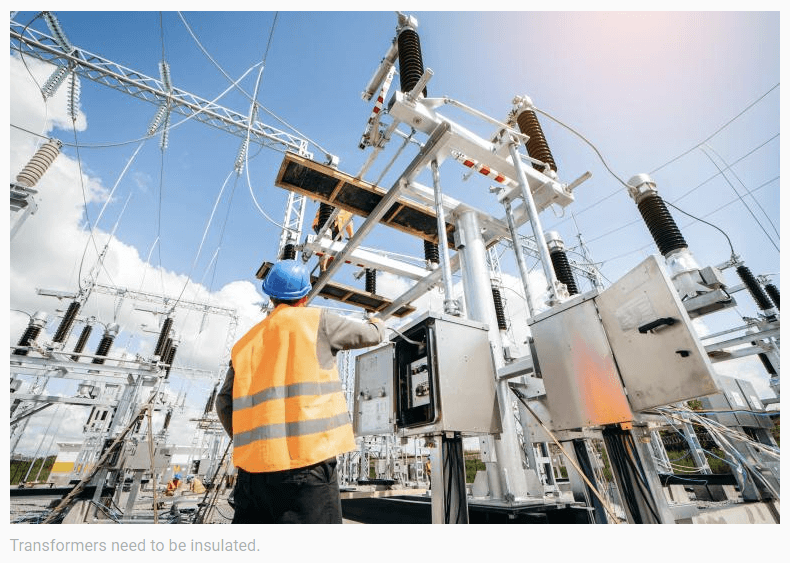
One of the areas that rarely makes the headlines but which is nevertheless essential for our safety is ensuring that the electricity transmission network is properly insulated. All electrical equipment has to be protected with a non-conductive material or substance that resists the flow of electric current and prevents short circuits and electric shocks.
Para leer más ingrese a:
Compartir artículo
Para información general sobre la organización: difusion@colombiainteligente.org | Dirección: Edf. TecnoParque Cr 46#56-11 Piso 13 | Medellín – Colombia
Teléfono: +57-4-4441211 Ext. 171 | FAX: +57-4-4440460

Los documentos se clasifican en varios colores tipo semáforo tecnológico que indican el nivel de implementación de la tecnología en el país
Tecnología en investigación que no ha sido estudiado o reglamentado por entidades del sector.
La tecnología se aplica de manera focal y se encuentra en estudio por parte de las entidades del sector.
La tecnología se aplica de manera escalable y se encuentran políticas y regulaciones focales establecidas.
La tecnología se aplica a través de servicios y se encuentran políticas y regulaciones transversales establecidas.
La tecnología se aplica de manera generalizada y se tiene un despliegue masivo de esta.
Para acceder a todos los documentos publicados y descargarlos ingresa aquí