Autor: DIFUSIÓN COLOMBIA INTELIGENTE

  • Champions for Nature: Raising Ambition, Sustaining Impact

    Champions for Nature: Raising Ambition, Sustaining Impact

    Enfrentar las crisis ambientales actuales requiere más que simples políticas o acuerdos: se necesita una transformación profunda que implique a todos los sectores de la sociedad. El cambio climático, la pérdida de biodiversidad y la contaminación son problemas que no pueden resolverse de manera aislada; están íntimamente ligados y, por tanto, exigen soluciones integradas y coherentes. Para lograrlo, es necesario que las políticas globales, nacionales y locales no solo se alineen entre sí, sino que también se refuercen mutuamente. La clave está en avanzar hacia un enfoque de gobernanza ambiental que incorpore múltiples perspectivas y actores, desde gobiernos hasta empresas y comunidades locales. Un primer paso hacia esta integración implica superar la fragmentación actual de las políticas, que muchas veces opera de manera aislada en sectores como la agricultura, el medio ambiente y la energía, dificultando la implementación de acciones efectivas en favor de la naturaleza. La transición hacia una economía sostenible también requiere valorar adecuadamente el capital natural. A lo largo de los años, los ecosistemas y sus servicios han sido explotados sin considerar su verdadero valor, lo que ha llevado a su rápida degradación. La biodiversidad no solo es esencial para la estabilidad ecológica, sino que también representa un pilar fundamental para el bienestar humano, ya que regula el clima, purifica el agua, poliniza cultivos y ofrece numerosos recursos. Sin embargo, su valor ha sido históricamente subestimado en la toma de decisiones económicas y políticas. Integrar el capital natural en los procesos de toma de decisiones podría transformar la manera en que la sociedad interactúa con la naturaleza. Esto implica desarrollar mecanismos económicos que reconozcan y recompensen la conservación, como los pagos por servicios ambientales o la implementación de mercados de carbono basados en la naturaleza. Al crear incentivos para la preservación de los ecosistemas, se puede fomentar un modelo económico que no solo prevenga la pérdida de biodiversidad, sino que la restaure activamente.

    En este contexto, la inclusión de los Pueblos Indígenas y las comunidades locales emerge como un elemento crucial para una gobernanza ambiental efectiva. Los Pueblos Indígenas son guardianes de más del 80% de la biodiversidad mundial y, a lo largo de generaciones, han desarrollado conocimientos y prácticas sostenibles que contribuyen significativamente a la conservación de la naturaleza. Sus saberes tradicionales no solo ofrecen soluciones prácticas para la resiliencia climática y la restauración de ecosistemas, sino que también proporcionan una perspectiva ética sobre cómo relacionarse con el entorno natural. A pesar de su papel vital, estas comunidades enfrentan barreras sistemáticas y, en muchos casos, la defensa de sus territorios conlleva riesgos significativos. Por ello, la integración de sus voces en los procesos de toma de decisiones no debe ser meramente consultiva, sino que debe garantizar su plena participación y respeto a sus derechos, incluyendo el derecho a la consulta previa, libre e informada. El uso sostenible de la tierra es otro aspecto central en la lucha contra la crisis ambiental. Actualmente, el 75% de los ecosistemas terrestres están severamente alterados por la actividad humana, lo que ha resultado en una disminución drástica de la productividad de la tierra y en una pérdida masiva de biodiversidad. Para revertir esta situación, es fundamental cambiar el modelo extractivista predominante hacia uno regenerativo que promueva la restauración de ecosistemas degradados y fomente la producción sostenible. Las empresas tienen un papel clave en esta transición, pues muchas de ellas dependen directamente de la tierra para sus operaciones y cadenas de suministro. Por lo tanto, deben adoptar prácticas que prioricen la salud del suelo, reduzcan la deforestación y favorezcan la agricultura sostenible. La implementación de medidas de transparencia y rendición de cuentas en las cadenas de suministro también puede ayudar a reducir el impacto ambiental, al tiempo que se fortalecen los medios de vida de las comunidades rurales y se asegura la provisión de servicios ecosistémicos esenciales.

    La interconexión entre naturaleza y clima no puede ser ignorada. La naturaleza no solo es un componente del sistema climático, sino también una solución fundamental para su estabilización. La capacidad de los bosques, los humedales y los océanos para absorber carbono y regular el clima subraya la importancia de proteger y restaurar estos ecosistemas para alcanzar los objetivos climáticos. La transición hacia una economía libre de carbono no se puede lograr sin aprovechar el potencial de la naturaleza para la mitigación y adaptación climática. A pesar de este claro potencial, las inversiones en soluciones basadas en la naturaleza son considerablemente menores a lo que se requiere para cumplir con las metas climáticas globales. Para abordar esta brecha, es necesario establecer marcos regulatorios más claros que orienten la financiación hacia proyectos de conservación y restauración de ecosistemas, asegurando que las inversiones sean efectivas y sostenibles a largo plazo. La colaboración entre gobiernos, empresas y comunidades locales es esencial para alinear las estrategias económicas con la sostenibilidad ambiental y fomentar una economía resiliente. El papel del sector privado es esencial en la transición hacia un futuro sostenible. Las empresas no solo tienen la responsabilidad de mitigar sus impactos ambientales, sino también la oportunidad de liderar la adopción de prácticas más sostenibles. Incorporar la naturaleza en sus modelos de negocio no es solo una cuestión de responsabilidad corporativa, sino también una estrategia inteligente para asegurar la viabilidad a largo plazo. Iniciativas como la divulgación de riesgos y oportunidades relacionados con la naturaleza, lideradas por el Taskforce on Nature-related Financial Disclosures (TNFD), ayudan a las empresas a integrar la biodiversidad en su toma de decisiones financieras. Esto no solo promueve la conservación, sino que también abre oportunidades para la innovación y el desarrollo de nuevos productos y servicios sostenibles. Sin embargo, para que el sector privado pueda desempeñar un papel más activo, se necesita un entorno político y económico que ofrezca incentivos claros y un marco regulatorio estable que respalde las inversiones en la naturaleza.

    El avance hacia un futuro sostenible no es solo una cuestión de política o economía; es una cuestión de justicia. La transición hacia una economía respetuosa con la naturaleza debe ser inclusiva y equitativa, asegurando que los beneficios se distribuyan de manera justa y que no se deje a nadie atrás. Esto implica no solo proteger a las comunidades más vulnerables, sino también empoderarlas para que sean actores clave en la implementación de soluciones. La equidad debe ser un principio rector en todas las acciones, desde la asignación de recursos hasta la toma de decisiones y la implementación de proyectos de conservación. De esta manera, se puede garantizar que la transición hacia una economía sostenible sea verdaderamente transformadora, abordando no solo los problemas ambientales, sino también las desigualdades sociales subyacentes que a menudo agravan la crisis ecológica. La cooperación internacional desempeña un papel central en la construcción de un marco global coherente para la conservación de la biodiversidad y la lucha contra el cambio climático. Las Conferencias de las Partes (COP) de la Convención de Biodiversidad ofrecen una plataforma crucial para coordinar esfuerzos y compromisos a nivel mundial. Estos eventos son una oportunidad para establecer metas ambiciosas y avanzar en la implementación de políticas efectivas. Sin embargo, el éxito de estas cumbres depende de la voluntad política y de la capacidad de movilizar los recursos necesarios para transformar los compromisos en acciones concretas. La cooperación debe ir más allá de los acuerdos formales, fomentando alianzas estratégicas que involucren a actores de todos los sectores y promuevan un cambio real en la forma en que las sociedades interactúan con la naturaleza.

    Para leer más ingrese a:

  • California now has 500 MW of demand-side resources. Here’s how they’re using them

    California now has 500 MW of demand-side resources. Here’s how they’re using them

    The California Energy Commission’s (CEC) Demand Side Grid Support (DSGS) program has successfully enrolled 515 megawatts (MW) of capacity, with over 265,000 participants contributing to the state’s efforts to maintain the grid during extreme weather events.


    Launched in August 2022, the DSGS program is part of California’s Strategic Reliability Reserve of backup energy resources that are meant to serve as insurance when the power grid is strained during extreme events when demand is high. The DSGS program, which runs May through October, works by incentivizing enrolled Californians to reduce electricity usage or send energy to the grid when conditions are tight.


    The program includes biggest single-owner virtual power plant (VPP) in the United States with a capacity exceeding 200 MW – Sunrun’s CalReady. The virtual power plant works by tapping into a network of customer-owned battery storage systems, which are typically paired with solar. Together, the individual devices provide power back to the grid. Formerly known as Sunrun’s Peak Power Rewards program, the VPP supplied Pacific Gas & Electric Company (PG&E) with up to 32 megawatts (MW) during peak times last summer and averaged 48 MW during a heatwave this July, topping out over 50 MW.


    “As the effects of climate change become more pronounced, innovative programs like DSGS provide a critical buffer for ensuring the reliability of California’s electrical grid, while reducing emissions,” said CEC Vice Chair Siva Gunda.

    Participants are paid based on the net load reduction they provide, with some earning $2 per kilowatt-hour of energy shared with the grid. 


    Para leer más ingrese a:

    https://www.power-grid.com/der-grid-edge/california-now-has-500-mw-of-demand-side-resources-heres-how-theyre-using-them

  • From aggregation to action

    From aggregation to action

    Generally, most Behind-the-Meter (BTM) Distributed Energy Resources (DER) are controlled by Demand Response Management Systems (DRMS). The DRMS is a software solution designed to control and manage DERs like smart thermostats, smart water heaters and other BTM devices. DRMS come from the IT side of the world which makes it challenging for them to be grid responsive, meaning that they primarily provide market interface modules without integrating directly with grid operations and also, cannot communicate with the grid to receive or send data about energy usage, supply or demand. Therefore, the teams that operate the DRMS (usually customer programs) focus on reducing peak demand by turning down customers smart thermostats.


    BTM DER are evolving rapidly and expanding into numerous types of devices such as Electric Vehicles (EVs), Battery Energy Storage Systems (BESS), smart water heaters, and so on. In response to this, grid operators need DRMS systems to evolve. This evolution can only be natural as the systems are now expected to integrate with the grid as the energy transition advances, as well as the ever evolving regulations and market structures which are pushing utilities to adopt more flexible and dynamic demand response strategies. The increased adoption of DERs worldwide due to a number of factors including net zero goals requires a more sophisticated management system to ensure that they can be effectively managed and integrated into the grid. As BTM DER penetration grows, control center operators will feel the impact of this growth for grid reliability and safety. This is where grid responsive Distributed Energy Resource Management Systems, or DERMS, comes in.

    Para leer más ingrese a:

    https://www.utilitydive.com/spons/from-aggregation-to-action-implementing-effective-behind-the-meter-control/728729/
  • Energy Leaders Highlight the Critical Role of Storage in the Energy Transition

    Energy Leaders Highlight the Critical Role of Storage in the Energy Transition

    The Energy Storage Global Conference 2024 (ESGC), organised in Brussels by EASE – The European Association for Storage of Energy, as a hybrid event, on 15 – 17 October, gathered over 400 energy storage stakeholders and covered energy storage policies, markets, and technologies.

    Experts from across the energy industry emphasise the importance of energy storage to enhance grid flexibility, support renewable integration, and promote industry decarbonisation.

    Throughout the conference, speakers emphasised that energy storage is no longer a secondary technology but a central enabler of Europe’s future energy system. Various energy storage technologies were identified as critical for providing flexibility at different time intervals, from daily to seasonal.

    David Post, EASE President and Head of Global Integrated BD at Enel X, highlighted the growing investment in energy storage across Europe. «We’re witnessing unprecedented levels of investment, with countries betting big on energy storage as a key enabler of the energy transition,» he said. «As costs continue to decline, the potential for energy storage by 2030 is truly transformative.»

    Experts agreed that energy storage will be crucial for balancing the increasing share of renewable energy on the grid while maintaining the security of supply. Thomas Pellerin-Carlin, MEP at the European Parliament, pointed out, «Storage is fundamental for ensuring the security of supply and providing the flexibility needed to fully decarbonise our electricity systems.»

    The conference also addressed the regulatory hurdles that still impede the rapid deployment of energy storage. Although Europe has made significant progress, issues around financing, permitting delays, and market design remain key challenges. Julia Majewska, Case Handler Officer at the European Commission, stated, «Public support can play a role, but it must be carefully designed to avoid distorting competition. It’s crucial that it complements regulatory reforms rather than replacing them.»

    Hybrid energy storage projects, combining renewable energy sources with storage, were another focal point of the discussions. The co-location of energy storage systems with renewable generation, particularly solar and wind, was identified as an efficient way to optimise infrastructure and streamline project permitting. However, speakers noted that such hybrid setups require careful design and management to ensure long-term success.

    Para leer más ingrese a:

    https://ease-storage.eu/news/energy-leaders-highlight-the-critical-role-of-storage-in-the-energy-transition/
  • The changing geography of “energy poverty”

    The changing geography of “energy poverty”

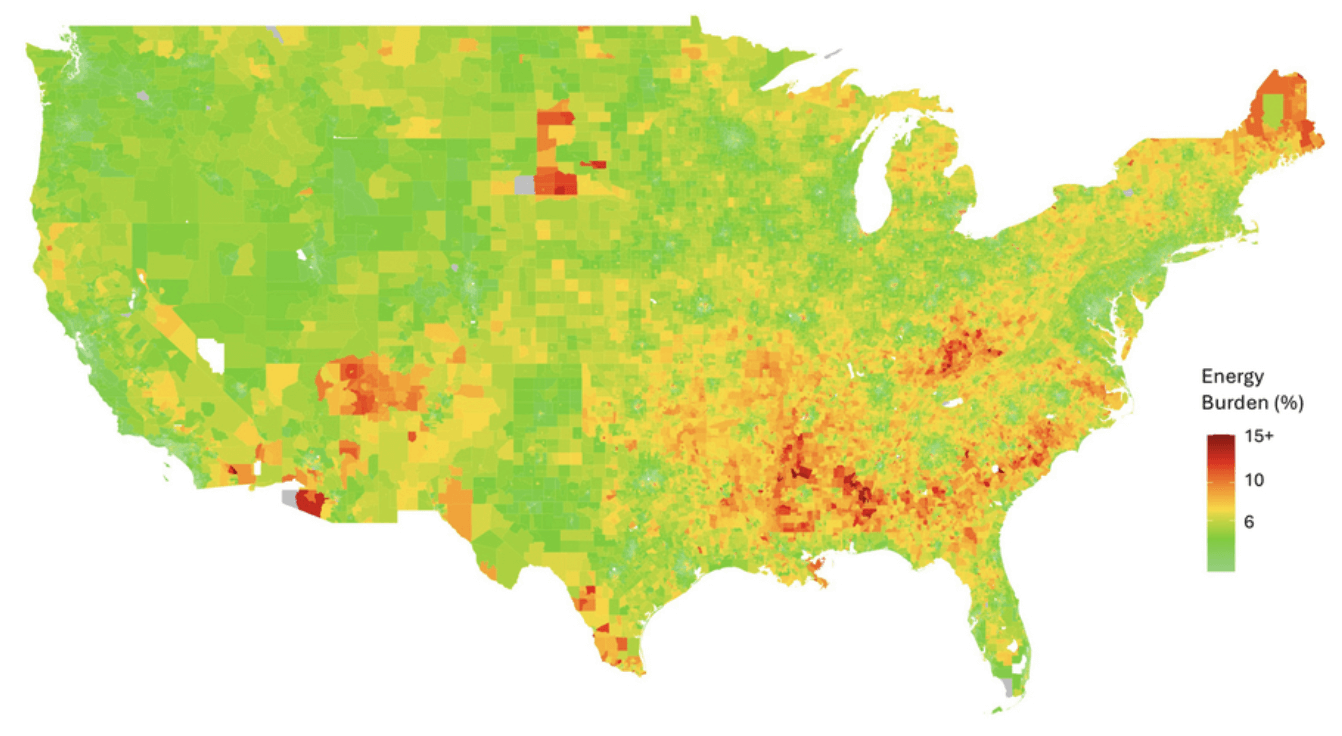
    A growing portion of Americans who are struggling to pay for their household energy live in the South and Southwest, reflecting a climate-driven shift away from heating needs and toward air conditioning use, an MIT study finds.

    The newly published research also reveals that a major U.S. federal program that provides energy subsidies to households, by assigning block grants to states, does not yet fully match these recent trends.

    The work evaluates the “energy burden” on households, which reflects the percentage of income needed to pay for energy necessities, from 2015 to 2020. Households with an energy burden greater than 6 percent of income are considered to be in “energy poverty.” With climate change, rising temperatures are expected to add financial stress in the South, where air conditioning is increasingly needed. Meanwhile, milder winters are expected to reduce heating costs in some colder regions.

    “From 2015 to 2020, there is an increase in burden generally, and you do also see this southern shift,” says Christopher Knittel, an MIT energy economist and co-author of a new paper detailing the study’s results. About federal aid, he adds, “When you compare the distribution of the energy burden to where the money is going, it’s not aligned too well.”

    Para leer más ingrese a:

    https://news.mit.edu/2024/changing-geography-energy-poverty-1009

  • Momentum for Moloka’i Micro Power: Rural Hawaiian Island Seeks 15 Nanogrids

    Momentum for Moloka’i Micro Power: Rural Hawaiian Island Seeks 15 Nanogrids

    The Ho’Ahu Energy Cooperative in Hawaii has issued a request for proposal (RFP) for the design and construction of 15 off-grid nanogrids on the island of Moloka’i (Molokai).


    Licensed contractors with experience in microgrid design and implementation are encouraged to submit proposals, which are due November 4.


    The nanogrids are expected to include 4 kW of solar and 11 kWh of battery storage and will serve ‘ohanas (families) in rural parts of Moloka’i where access to reliable grid energy is limited or unavailable.


    The residential nanogrids will “enhance energy independence, reduce electricity costs and ensure a resilient, sustainable future for our community,” Ho’Ahu Energy Cooperative said in the RFP.


    Like microgrids, nanogrids are local, self-contained forms of energy that serve a discrete footprint. Both include power generation, controls and often energy storage. Nanogrids are typically smaller than microgrids making them quicker, easier and more affordable to deploy – especially in residential settings.


    Block Energy recently installed individual nanogrids on each home in a new housing development in Tampa, Florida. In this case, Block networked the nanogrid systems together to create a larger microgrid.


    Para leer más ingrese a:

    https://www.microgridknowledge.com/remote-microgrids/article/55236523/momentum-for-molokai-micro-power-rural-hawaiian-island-seeks-15-nanogrids


  • Keeping artificial intelligence real

    Keeping artificial intelligence real

    Companies are entering a new phase with generative AI (gen AI), as they realistically ponder how to deploy the potent technology responsibly and profitably. The answer, says Navrina Singh, founder and CEO of Credo AI and today’s guest on this episode of the At the Edge podcast, is proper governance in the form of continuous human oversight. Singh speaks with McKinsey senior partner Lareina Yee about the importance of monitoring, measuring, and managing AI risk for the good of humanity, as well as for gaining a competitive advantage.


    An edited transcript of the discussion follows. For more conversations on cutting-edge technology, follow the series on your preferred podcast platform.


    Lareina Yee: Navrina, we see so much momentum in terms of investments and interest in AI. But we also see a pause—and it’s a big one—as companies ask themselves, “How do we do this in a responsible manner?” You created Credo AI to enable companies to adapt to this ever-changing technology landscape. Can you explain how to be both responsible and work quickly in the world of generative AI?


    Navrina Singh: What a great question, Lareina. We believe the answer is AI governance, which allows you to achieve responsible AI outcomes. When you have such a powerful technology, which is going to impact business, society, and our planet in ways that we’d not thought possible before, one of the key questions that comes to mind is, “Do we understand this technology?”


    Understanding this technology means answering questions such as, “Do we have a good handle on the unknown unknowns? Do we understand the risk that this technology brings? What kind of oversight mechanisms have we put in place to make sure that we are getting the business outcomes?” It’s about taking stock on measuring the risks as well as the opportunities, and making sure you have the right information to make the right decisions at the right time, along with a good understanding of the guardrails needed.


    Para leer más ingrese a:

    https://www.mckinsey.com/capabilities/mckinsey-digital/our-insights/keeping-artificial-intelligence-real

  • Los cinco proyectos colombianos de IA que sorprendieron al CEO de Microsoft

    Los cinco proyectos colombianos de IA que sorprendieron al CEO de Microsoft

    Uno de los proyectos que más llamó la atención de Nadella fue el Proyecto Guacamaya, una iniciativa para la conservación de la Amazonía. Utilizando IA, el proyecto analiza imágenes satelitales, cámaras trampa y bioacústica para monitorear la deforestación y los cambios en la biodiversidad.


    “El Proyecto Guacamaya está aplicando IA para la conservación, y todas estas cosas son iniciativas de gran ambición”, refirió Nadella en una entrevista exclusiva con Forbes, sobre este esfuerzo que es resultado de una colaboración entre instituciones públicas, privadas y académicas, entre ellas la Universidad de Los Andes y el Instituto Alexander von Humboldt.


    Otro proyecto que resaltó fue el trabajo de Bancolombia, que ha implementado GitHub Copilot entre sus 2,000 desarrolladores de software. De acuerdo con Nadella, el banco “tiene grandes ambiciones de llevarlo al siguiente nivel y crear su propio agente.”


    Para leer más ingrese a:

    https://forbes.co/2024/10/13/ia/los-cinco-proyectos-colombianos-de-ia-que-sorprendieron-al-ceo-de-microsoft

  • Sign of the Times: Oracle Designing Future     GW-Scale Data Center Powered by SMR Nuclear

    Sign of the Times: Oracle Designing Future GW-Scale Data Center Powered by SMR Nuclear

    Software and cloud-based services giant Oracle is the latest major tech company embracing the concept of small modular reactor (SMR) nuclear as the most energy dense and sustainable microgrid option for future data centers.

    Earlier this week, company founder and Chairman Larry Ellison told investors and media that it planned to build a gigawatt-scale data center that will be powered by three nearby SMR reactors. During the quarterly earnings call, Ellison indicated the nuclear-powered data center was under design but didn’t give a concrete timeline.

    Most industry observers predict that the earliest SMR projects would not come online until the 2030s.


    The stunning rise in data center energy demand brought on by the growth of artificial intelligence and cloud-based computing capacity is compelling many tech companies to pursue the possibilities of small nuclear power, although no SMR has yet been built or even licensed to begin construction for commercial purposes. Idaho National Lab is testing advanced nuclear technologies.


    The most recent conventional nuclear power project completed in the U.S., Southern Company’s 1-GW Vogtle 3 and 4 units, took close to a decade and more than $30 billion to complete.


    Theoretically, SMR nuclear facilities would vary from 25 MW to 200 MW per unit, would be less expensive to build and partially underground to alleviate safety concerns. The reactors also could provide carbon-free, baseload-level power.

    Industry analysts say that coming data center construction could require close to 40-plus GW of new electricity by early 2030. Utilities such as Dominion and AEP are scrambling to figure out ways of meeting that mission critical load expansion.

    Para leer más ingrese a:

    https://www.microgridknowledge.com/data-center-microgrids/article/55139165/sign-of-the-times-oracle-designing-future-gw-scale-data-center-powered-by-smr-nuclear
  • NYPA releases draft strategic plan for 3.5 GW of renewables generation

    NYPA releases draft strategic plan for 3.5 GW of renewables generation

    R

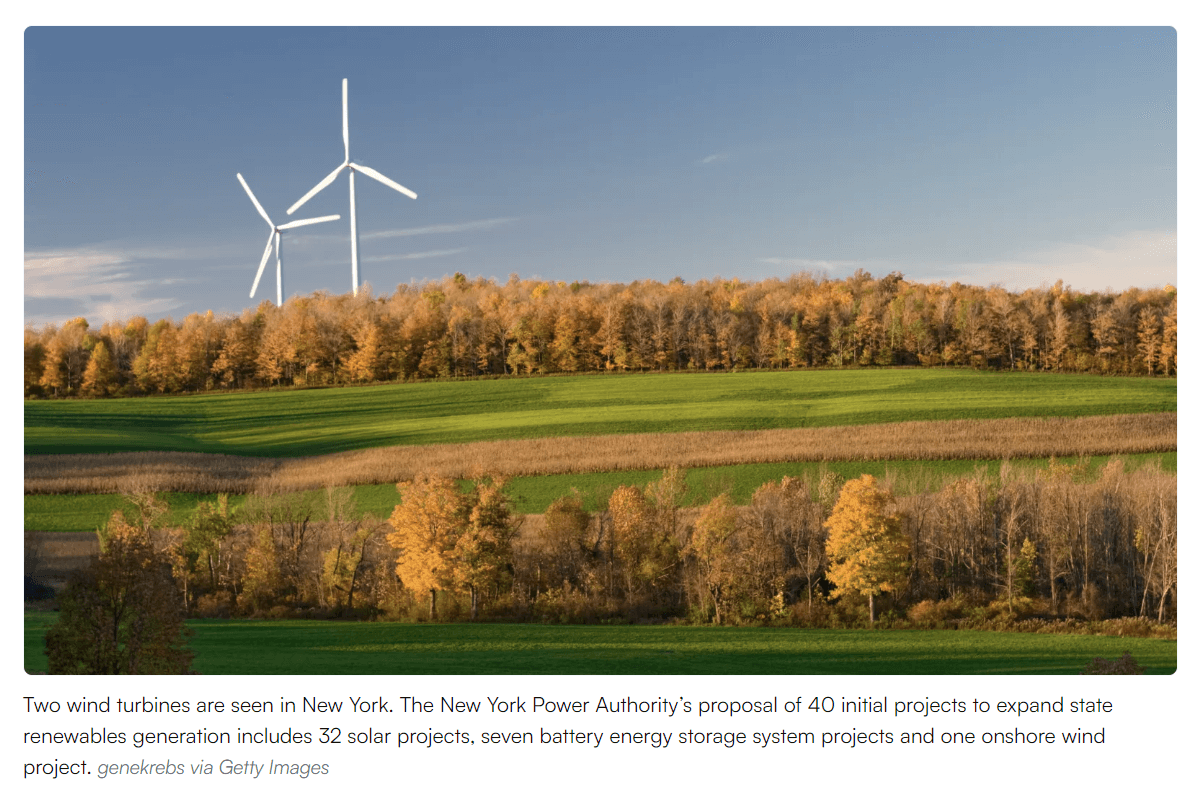
    • The New York Power Authority’s draft strategic plan for expanding the state’s renewable energy resources proposes 40 projects representing 3.5 GW of capacity from solar, onshore wind and battery energy storage systems.
    • The plan, released Tuesday, is a response to the last state budget, which significantly expanded NYPA’s authority in several areas — including its ability to develop, own and operate renewable energy generation projects.
    • “The draft Renewables Strategic Plan outlines the innovative framework the Power Authority has taken to fulfilling its expanded role in the development of the state’s renewable power resources,” said Justin E. Driscoll, NYPA president and CEO.
     

    Para leer más ingrese a:

    https://www.utilitydive.com/news/new-york-power-authority-renewable-energy-draft-plan-projects/729447/

Busca los documentos, noticias y tendencias más relevantes del sector eléctrico

Buscador de documentos
Buscador de noticias y tendencias

Banco de Información

Descripción del semáforo tecnológico

Los documentos se clasifican en varios colores tipo semáforo tecnológico que indican el nivel de implementación de la tecnología en el país

Tecnología en investigación que no ha sido estudiado o reglamentado por entidades del sector.

La tecnología se aplica de manera focal y se encuentra en estudio por parte de las entidades del sector.

La tecnología se aplica de manera escalable y se encuentran políticas y regulaciones focales establecidas.

La tecnología se aplica a través de servicios  y se encuentran políticas y regulaciones transversales establecidas.

La tecnología se aplica de manera generalizada  y se tiene un despliegue masivo de esta.

Para acceder a todos los documentos publicados y descargarlos ingresa aquí