
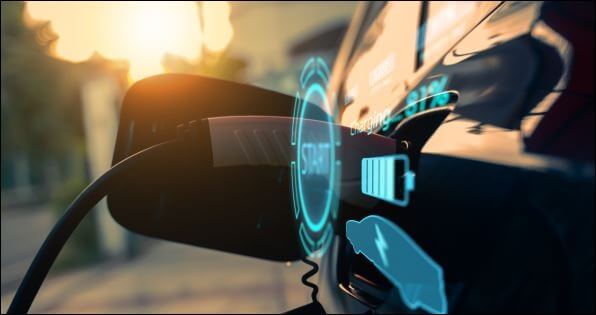
Increasing the uptake of electric vehicles (EVs) is a fundamental part of accelerating the renewables-based energy transition and getting us onto the 1.5°C pathway. The uptake of EVs holds the potential to cut emissions by the replacement of fossil fuel based vehicles but also to enable flexibility in the energy system that allow the integration of larger renewable production which allow a larger emissions reduction. Under IRENA’s 1.5°C Scenario, the number of electric passenger cars is expected to grow to 360 million by the end of 2023, and 2.1 billion by 2050. The transition is being boosted by planned bans on the sales of new fossil fuel–powered vehicles, net-zero emissions targets, climate policies and other pollution-driven regulations.
There are, however, significant barriers. For instance, under the 1.5°C Scenario, electric charging infrastructure would require a cumulative investment of USD 9 trillion through 2050. But the greatest limiter is battery technology. Mobilising such amount of resources requires the adoption of the systemic innovation approach that involves all actors across the value chain of EVs including technology and infrastructure, market design, system planning and business models.
Para leer más ingrese a:
Compartir artículo
Para información general sobre la organización: difusion@colombiainteligente.org | Dirección: Edf. TecnoParque Cr 46#56-11 Piso 13 | Medellín – Colombia
Teléfono: +57-4-4441211 Ext. 171 | FAX: +57-4-4440460

Los documentos se clasifican en varios colores tipo semáforo tecnológico que indican el nivel de implementación de la tecnología en el país
Tecnología en investigación que no ha sido estudiado o reglamentado por entidades del sector.
La tecnología se aplica de manera focal y se encuentra en estudio por parte de las entidades del sector.
La tecnología se aplica de manera escalable y se encuentran políticas y regulaciones focales establecidas.
La tecnología se aplica a través de servicios y se encuentran políticas y regulaciones transversales establecidas.
La tecnología se aplica de manera generalizada y se tiene un despliegue masivo de esta.
Para acceder a todos los documentos publicados y descargarlos ingresa aquí