
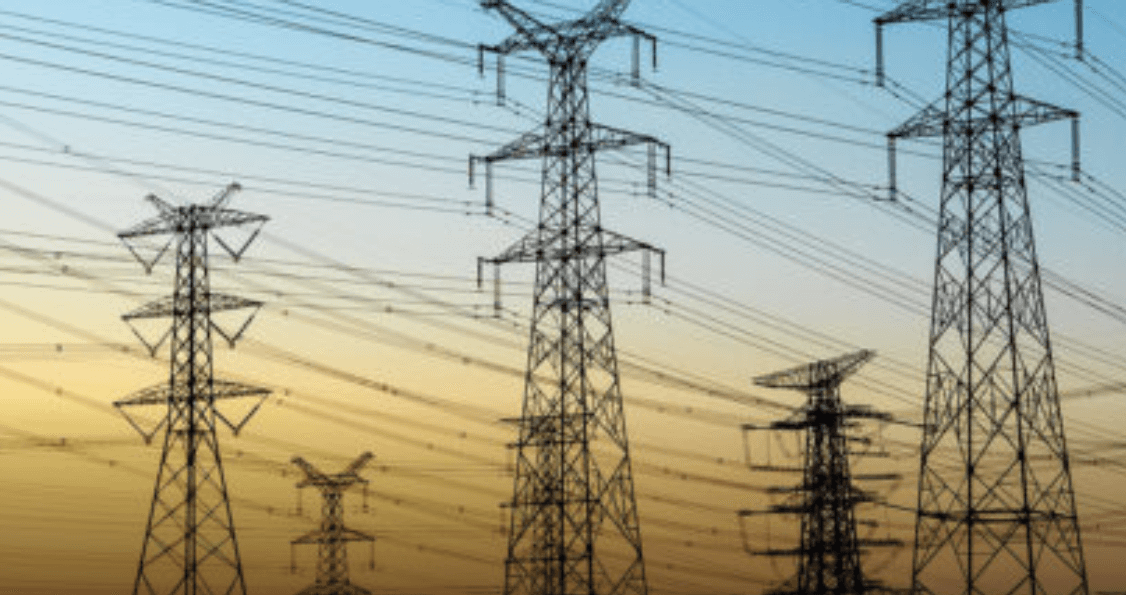
America needs a lot more transmission grid capacity. That was the basic finding in the U.S. Department of Energy’s (DOE) National Transmission Needs Study released last year. There are many reasons why an expansion of transmission grid capacity is a priority, including the system’s role in providing reliable and resilient electricity as demand grows and extreme weather increases in frequency and severity.
Abundant transmission system capacity is also integral to the clean energy transition. For example, the DOE study found that the U.S. must double its current regional transmission capacity and increase interregional transmission capacity over five-fold to reach the federal government’s goal of a carbon-free power system by 2035. Princeton University estimates that 75,000 miles of new high-voltage transmission lines—enough to stretch around the world three times—need to be built to reach that 2035 goal.
While there is widespread agreement and increasing levels of incentives and investments to support critical new transmission system infrastructure, the reality is that these projects take many years to get approved, permitted, designed, and built. As the essential work of developing, financing, and building new projects moves forward, however, the need for more transmission grid capacity grows by the day.
The pressing imperative to expand transmission grid capacity quickly has focused attention on grid-enhancing technologies (GETs). GETs are hardware and software that can improve the efficiency, reliability, capacity, and safety of existing transmission lines. GETs are seen as a potentially powerful tool to reduce congestion and speed the integration of renewable generation.
In its Transmission Needs Study, the DOE highlights GETs and describes them as, “solutions capable of managing transmission congestion and increasing line utilization rates by expanding existing transmission system capacity and improving operational efficiencies.” The DOE’s Grid Resilience and Innovation Partnerships (GRIP) Program is making significant investments in technologies, including GETs, that can bolster the flexibility and reliability of the existing grid.
Para leer más ingrese a:
https://eprijournal.com/epris-get-set-initiative-gets-going/Compartir artículo
Para información general sobre la organización: difusion@colombiainteligente.org | Dirección: Edf. TecnoParque Cr 46#56-11 Piso 13 | Medellín – Colombia
Teléfono: +57-4-4441211 Ext. 171 | FAX: +57-4-4440460

Los documentos se clasifican en varios colores tipo semáforo tecnológico que indican el nivel de implementación de la tecnología en el país
Tecnología en investigación que no ha sido estudiado o reglamentado por entidades del sector.
La tecnología se aplica de manera focal y se encuentra en estudio por parte de las entidades del sector.
La tecnología se aplica de manera escalable y se encuentran políticas y regulaciones focales establecidas.
La tecnología se aplica a través de servicios y se encuentran políticas y regulaciones transversales establecidas.
La tecnología se aplica de manera generalizada y se tiene un despliegue masivo de esta.
Para acceder a todos los documentos publicados y descargarlos ingresa aquí