
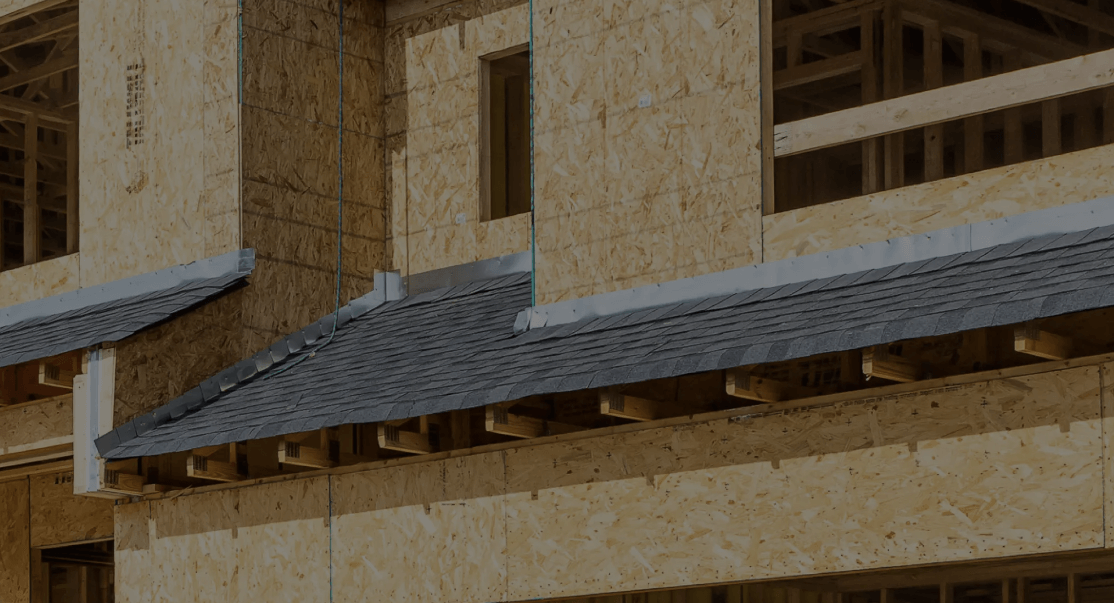
If the United States is to dramatically reduce greenhouse gas emissions, we need new homes and buildings to minimize energy use and emissions. A new ACEEE white paper identifies 22 programs advancing zero-energy, zero-carbon, or zero-energy-ready buildings, including 14 residential and 8 commercial programs.
A zero-energy building generates at least as much energy as it consumes over a year, often using solar panels. Some aim for net-zero-carbon or -emissions, meaning they emit net zero carbon dioxide annually. The difference between zero-energy and zero-carbon classification is that the latter accounts for the carbon emissions associated with electric power generation, which vary based on when the power is needed and which generating plants are operating at those times.
Short of building to zero-energy or zero-carbon criteria, many programs promote zero-energy-ready buildings, which are efficient enough that they could be operated with onsite energy and be zero energy if a solar energy system were eventually installed. Zero-energy-ready buildings often include floor and roof configurations, conduit or wiring, and electric panel capacity that will make it easy to hook up electric heating and cooking equipment and solar panels in the future. Zero-energy and zero-energy-ready buildings typically use 25–50% less energy than current building code requirements.
Compartir artículo
Para información general sobre la organización: difusion@colombiainteligente.org | Dirección: Edf. TecnoParque Cr 46#56-11 Piso 13 | Medellín – Colombia
Teléfono: +57-4-4441211 Ext. 171 | FAX: +57-4-4440460

Los documentos se clasifican en varios colores tipo semáforo tecnológico que indican el nivel de implementación de la tecnología en el país
Tecnología en investigación que no ha sido estudiado o reglamentado por entidades del sector.
La tecnología se aplica de manera focal y se encuentra en estudio por parte de las entidades del sector.
La tecnología se aplica de manera escalable y se encuentran políticas y regulaciones focales establecidas.
La tecnología se aplica a través de servicios y se encuentran políticas y regulaciones transversales establecidas.
La tecnología se aplica de manera generalizada y se tiene un despliegue masivo de esta.
Para acceder a todos los documentos publicados y descargarlos ingresa aquí