
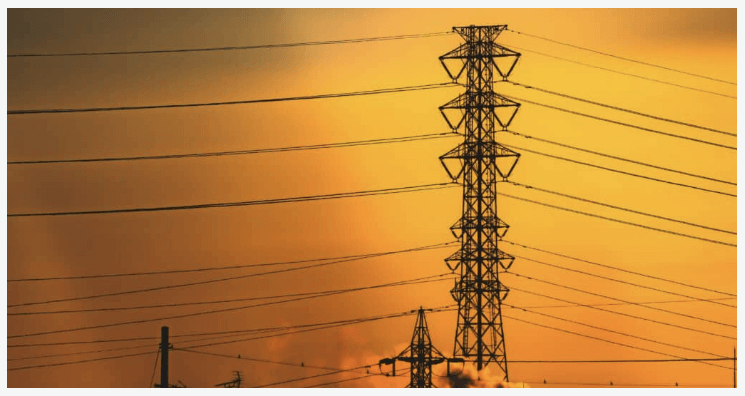
Business as usual is hardly a solution in unusual times. In the case of electricity networks, business as usual means that an increase in the demand for grid capacity is satisfied by building new lines or deploying larger transformers. However, electricity networks are not experiencing usual times: over the coming years, the European electricity system is expected to support the integration of a significant amount of additional renewable energy sources and the electrification of a large share of final energy uses. In this context, following traditional approaches to network development and operation is likely to be a recipe for delay and cost escalation. Fortunately, developments in technology, in particular in digital and power electronic solutions that allow better monitoring and control of electric cables and substations,[1] offer the opportunity to satisfy the increasing needs of electricity grid users with less investment in (new) physical assets and reduced lead times.[2]
However, technological innovation is not enough if we want to go beyond business as usual. Transmission and distribution system operators, like any economic actor, choose the best technology depending on the incentives they face.[3] In their case, incentives are mostly determined by the regulatory framework they are subject to as part of their franchise. In the European Union, the details of such a framework are defined at the Member State level by national regulatory authorities (for an exhaustive overview, look at the annual report by CEER). While any generalisation should be taken with caution, it is normally possible to say that most of the allowed revenues of electricity system operators are driven by the recovery of the expenses associated with investments in physical assets, including the remuneration of invested capital. If you combine this fact with the typical system operators’ duty of ensuring the continuous and secure supply of electricity, something that can be more comfortably achieved with ‘oversized’ networks, it is apparent that going beyond business as usual in electricity network development and operation might be difficult.
Para leer más ingrese a:
https://fsr.eui.eu/stronger-incentives-in-grid-development-to-go-beyond-business-as-usual/
Compartir artículo
Para información general sobre la organización: difusion@colombiainteligente.org | Dirección: Edf. TecnoParque Cr 46#56-11 Piso 13 | Medellín – Colombia
Teléfono: +57-4-4441211 Ext. 171 | FAX: +57-4-4440460

Los documentos se clasifican en varios colores tipo semáforo tecnológico que indican el nivel de implementación de la tecnología en el país
Tecnología en investigación que no ha sido estudiado o reglamentado por entidades del sector.
La tecnología se aplica de manera focal y se encuentra en estudio por parte de las entidades del sector.
La tecnología se aplica de manera escalable y se encuentran políticas y regulaciones focales establecidas.
La tecnología se aplica a través de servicios y se encuentran políticas y regulaciones transversales establecidas.
La tecnología se aplica de manera generalizada y se tiene un despliegue masivo de esta.
Para acceder a todos los documentos publicados y descargarlos ingresa aquí