
Neil Veilleux is vice president of market development at Uplight and Nick Papanastassiou is director of market development at EnergyHub
The Department of Energy predicts that up to 160 GW of new resources will be needed by 2030 to meet U.S. electricity demand. At the same time, Wood Mackenzie reports that the U.S. will add 262 GW of distributed energy resources between 2023 and 2027 — an amount nearly equivalent to the construction of all new centralized generation. These two factors, accelerating load growth and greater DER adoption, have set the stage for virtual power plants to transform the power sector.
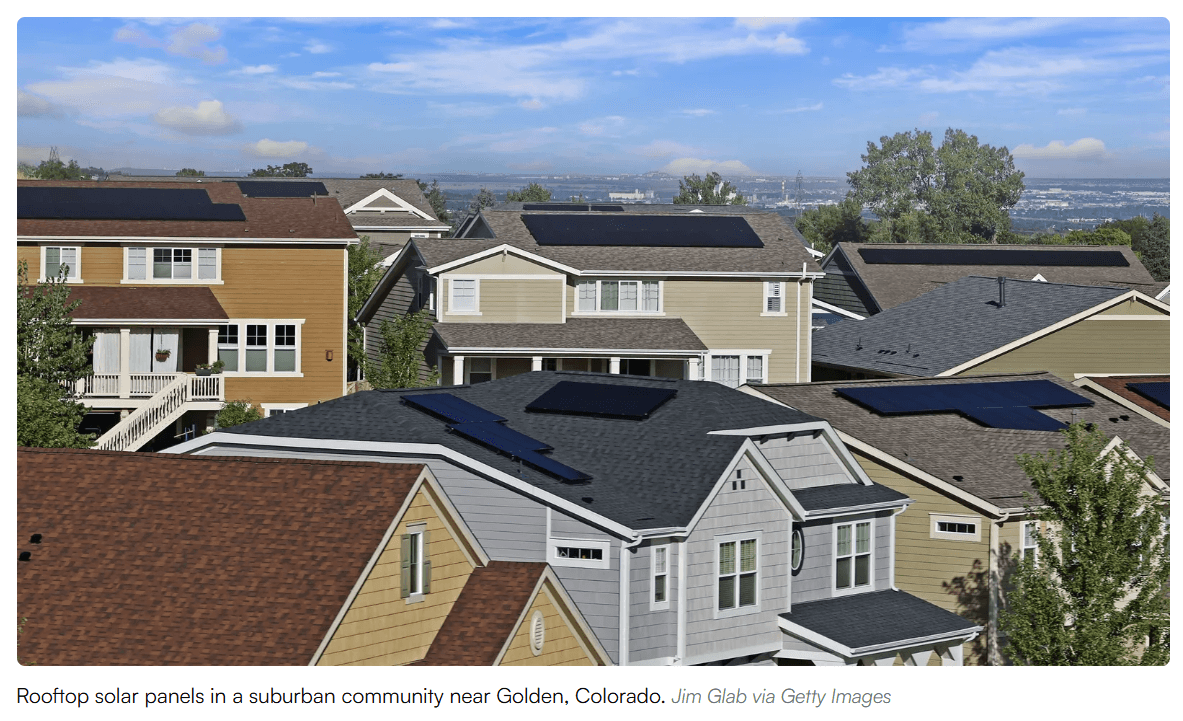
VPPs are software platforms that facilitate the aggregation of DERs like smart thermostats, solar panels, batteries and electric vehicles into robust networks that can be managed in real time. Unlike traditional poles and wires solutions, VPPs can be built quickly, in months not years. Moreover, according to the Brattle Group, they could save utilities up to $35 billion in capacity investment over the next 10 years. Similarly, VPPs provide electricity customers with new financial and energy savings opportunities.
Para leer más ingrese a:
https://www.utilitydive.com/news/utility-vpp-residential-virtual-power-plant/738284/
Compartir artículo
Para información general sobre la organización: difusion@colombiainteligente.org | Dirección: Edf. TecnoParque Cr 46#56-11 Piso 13 | Medellín – Colombia
Teléfono: +57-4-4441211 Ext. 171 | FAX: +57-4-4440460

Los documentos se clasifican en varios colores tipo semáforo tecnológico que indican el nivel de implementación de la tecnología en el país
Tecnología en investigación que no ha sido estudiado o reglamentado por entidades del sector.
La tecnología se aplica de manera focal y se encuentra en estudio por parte de las entidades del sector.
La tecnología se aplica de manera escalable y se encuentran políticas y regulaciones focales establecidas.
La tecnología se aplica a través de servicios y se encuentran políticas y regulaciones transversales establecidas.
La tecnología se aplica de manera generalizada y se tiene un despliegue masivo de esta.
Para acceder a todos los documentos publicados y descargarlos ingresa aquí