
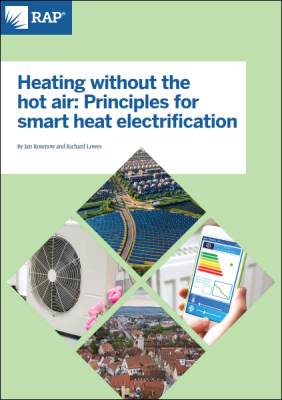
Heating in buildings is responsible for almost one-third of total EU energy demand, and around 75% of heat is still produced by burning fossil fuels. The European Union must make decarbonising heat a major priority if it hopes to meet its climate goals for 2030 and beyond. Successful decarbonisation will require a well-coordinated effort across several areas — buildings, heating systems at both the individual and district level, the power sector and the existing heating fuel supply infrastructure.
In its vision for a Green Deal for Europe, the European Commission supports this transition by driving smart sector integration and a “renovation wave” for buildings. While the transformative challenge of clean heating is formidable, it is neither unattainable nor exorbitant. We can act now – and achieve more than we thought along the way.
Whichever low-carbon heat technology decision-makers choose, energy efficiency and electrification will play a fundamental role.
Para leer más ingrese a:
Compartir artículo
Para información general sobre la organización: difusion@colombiainteligente.org | Dirección: Edf. TecnoParque Cr 46#56-11 Piso 13 | Medellín – Colombia
Teléfono: +57-4-4441211 Ext. 171 | FAX: +57-4-4440460

Los documentos se clasifican en varios colores tipo semáforo tecnológico que indican el nivel de implementación de la tecnología en el país
Tecnología en investigación que no ha sido estudiado o reglamentado por entidades del sector.
La tecnología se aplica de manera focal y se encuentra en estudio por parte de las entidades del sector.
La tecnología se aplica de manera escalable y se encuentran políticas y regulaciones focales establecidas.
La tecnología se aplica a través de servicios y se encuentran políticas y regulaciones transversales establecidas.
La tecnología se aplica de manera generalizada y se tiene un despliegue masivo de esta.
Para acceder a todos los documentos publicados y descargarlos ingresa aquí