
- Despite record temperatures last week and a new peak demand record, the Electric Reliability Council of Texas said it was able to maintain service without conservation requests, which it required last summer. Large additions of renewables and battery storage, along with some new gas-fired generation, have made the difference, according to grid officials.
- More gas-fired generation is under development with state support. Developers of more than 38,000 MW of potential new generation have applied for low-interest loans under a state program voters authorized last year.
- Austin Energy said Sunday that the utility has completed a “permanent fix” at a substation in the southwest part of the city that failed Thursday night, briefly leaving 6,400 customers without power as a heat wave blanketed the area. The transformer failure was not the result of excessive heat or demand, the utility said.
Autor: DIFUSIÓN COLOMBIA INTELIGENTE
-
The Grid Can Handle More Renewable Energy, But It Needs Some Help
The grid needs to change.
To electrify everything from vehicles to heating systems to stovetops, the U.S. grid must expand by about 57% and get more flexible, too. Solar and wind energy are the renewables most likely to dominate a future clean energy grid. But they are found primarily in remote areas, far from the hubs that need their power.
And that is a problem. Today’s transmission system simply is not designed to ingest all that remote power. Bursts of power on an especially sunny day in the desert could cause grid faults—little blips that can propagate and cause outages—or overload power lines.
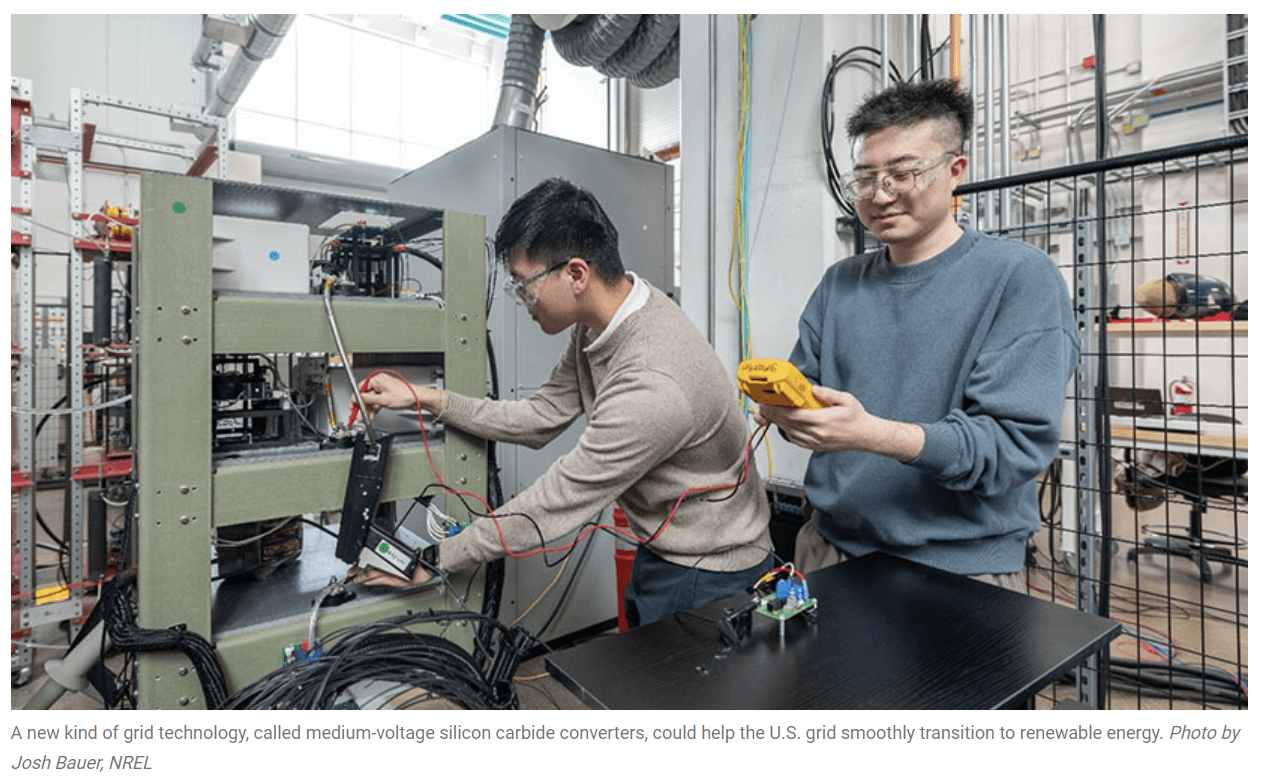
But what if we could better control where and how solar energy—or all our energy—flows within the distribution system so we can balance out all that power? That is what a team of experts from the National Renewable Energy Laboratory (NREL), Florida State University, and Ohio State University are working to do.
Over the last four years, the team built a testbed to study and hone an entirely new kind of grid technology, one that could help grid operators better regulate how and where electricity flows. The device, called a back-to-back medium-voltage converter, could do that with a fraction of the weight and cost of the technology it could replace.
“This is a whole new type of equipment that opens up a whole new way for a utility to manage their distribution systems,” said Barry Mather, a researcher at NREL. “Much higher levels of distributed energy resources could be put onto a circuit if you had this extra device within the system.”
Para leer más ingrese a:
-
A board-level view of cyber resilience
Amid growing corporate and public sector cyber breaches and recent high-profile technology outages, significant changes are occurring both in the role of boards in cybersecurity and within the cybersecurity industry itself. In this interview, McKinsey’s Sean Brown speaks with Vinnie Liu, the cofounder and CEO of the cybersecurity firm Bishop Fox, and McKinsey cyber-resilience experts Justin Greis and Daniel Wallance about how boards of directors should approach oversight of cybersecurity. The following is an edited transcript of their conversation.
For more discussions on the strategy issues that matter, follow the Inside the Strategy Room podcast on your preferred podcast platform.
Sean Brown: Boards’ responsibilities are changing quickly in the face of emerging cybersecurity threats. Justin, tell us about your research on this subject.
Justin Greis: We set out to look at cybersecurity from two perspectives—that of the board and the cybersecurity community—to learn what they see as the core of the cybersecurity issues they face and how boards can arm themselves better.
As companies transform and modernize with more connected technologies, they increase their attack surface, which are the opportunities attackers can use to get into the company. Last year alone there was a 75 percent increase in intrusions into cloud-hosted environments, and that number is increasing, especially as companies move to the cloud more.
Vinnie Liu: When we observe how attackers work, oftentimes we see new technologies involved. They take advantage of these moments of technological change, such as migration to cloud storage, or the adoption of connected sensors within factories, or the adoption of gen AI [generative AI]. These are moments of opportunity from an attacker’s perspective. So when we think about the attack surface, it is not only what technologies you have but also what is changing in your company that we focus on.
Para leer más ingrese a:
-
FERC’s Christie offers ‘compromise’ on transmission financial incentives
The Federal Energy Regulatory Commission should only grant incentives for building power lines after they have been approved by state utility regulators, according to FERC Commissioner Mark Christie.
Christie had previously called for eliminating incentives such as “construction work in progress,” which allows a utility to recover its expenses while it is building a project instead of waiting for a rate case after it is placed into service.
“This compromise would ensure that transmission incentives ultimately are awarded to projects that are worthwhile from the state-focused, consumer-oriented perspective and that the resulting rates are just and reasonable under the [Federal Power Act],” Christie said Thursday in a dissent to a FERC order approving incentives for PSEG Renewable Transmission.
Christie has long argued that FERC’s policy of providing financial incentives for transmission projects shifts risks and costs onto ratepayers.
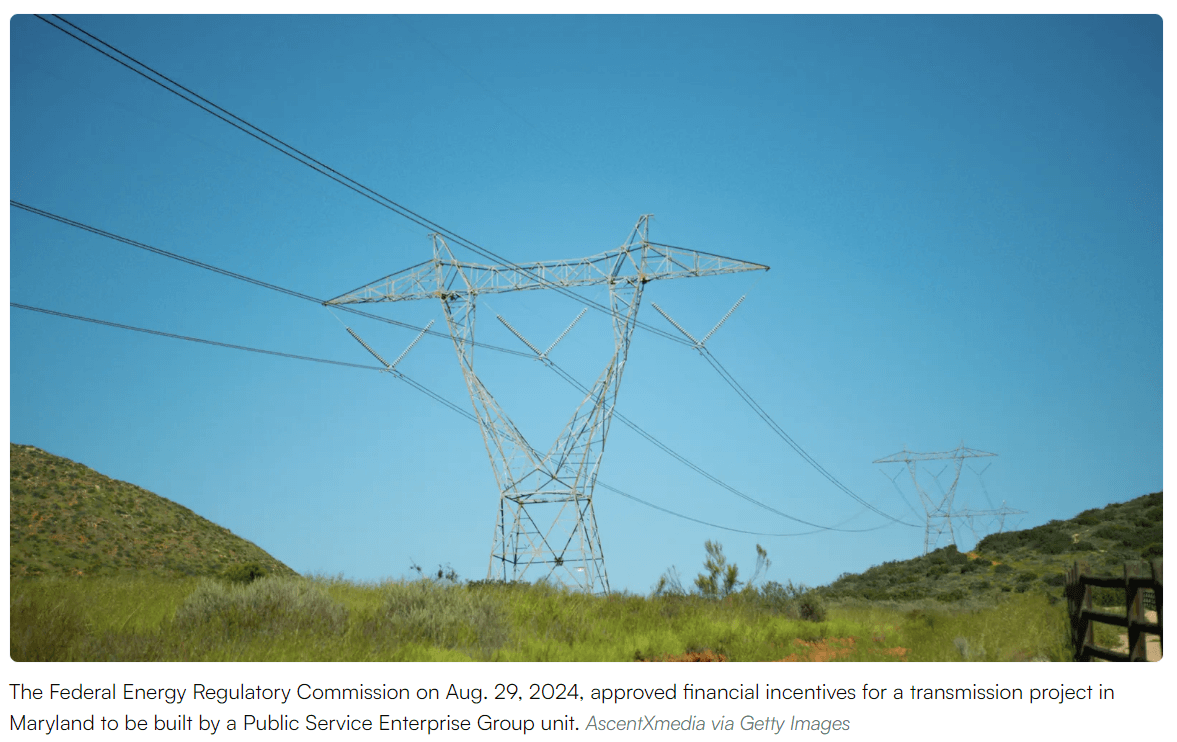
The latest case centers on a 70-mile, 500-kV transmission line PSEG, owned by Public Service Enterprise Group, plans to build in Maryland. The $424 million project is part of a group of transmission projects that grew out of the PJM Interconnection’s 2022 Regional Transmission Expansion Plan Window 3 competitive solicitation process. The projects are designed to bolster grid reliability.
Para leer más ingrese a:
https://www.utilitydive.com/news/ferc-christie-transmission-incentives-cwip-abandoned-pseg-pjm/
-

Power Outages at Water and Wastewater Plants Pose Health and Environmental Risks. How Microgrids Can Help
During Winter Storm Uri, which hit Texas Feb. 12, 2021, more than 14.9 million residents were affected by water outages and unsafe drinking water because water treatment plants lost power or experienced water leaks because of frozen infrastructure.
By Feb. 25, 1.4 million residents still had unsafe drinking water, including 200,000 Texans who lacked water completely.
Only one month ago, when Hurricane Beryl struck the Houston area, knocking out power to more than 2.6 million people for multiple days, the storm created the potential for similar challenges.
Microgrids can keep the power running and help water utilities stave off such environmental and health risks.
Para leer más ingrese a:
-

A radical approach to cost reduction at climate tech companies
Soaring temperatures, shrinking glaciers, and rising sea levels provide a constant reminder that climate change is intensifying. Many governments, corporations, and individuals have already attempted to reduce emissions by adopting new green tech and want to expand these efforts to prevent a humanitarian crisis. The McKinsey Platform for Climate Technologies represents one such effort, and it focuses on executing and scaling critical climate solutions.1 Despite such initiatives, however, several obstacles are preventing green technologies from gaining traction, most notably: the high material, energy, and production costs associated with the climate tech products that mitigate or reverse the effects of human activity on the environment.
High production costs prompt many climate tech companies to add a “green premium” to the price of their products, which could discourage potential buyers. Given the urgency to reduce emissions, climate tech companies should try to encourage product adoption by tackling high costs. For best results, the cost target should be on par with more carbon-intensive alternatives and be best in class against similar green solutions. Their efforts might benefit from an innovative approach that simultaneously enables both rapid cost reduction and production scaling. It involves five elements: ambitious target setting, high-paced innovation, end-to-end supply chain improvements, design to value, and excellence in capital expenditures.
Para leer más ingrese a:
-
Better grid edge visibility is key for load forecasting, cost control: Heatmap Labs panel
- Wider deployment of high-resolution sensing capabilities at the grid’s edge and policy support for non-wires alternatives could significantly reduce the need for costly distribution system upgrades over the next decade, panelists said on an Aug. 22 webinar presented by Heatmap Labs and Sense, a grid edge software provider.
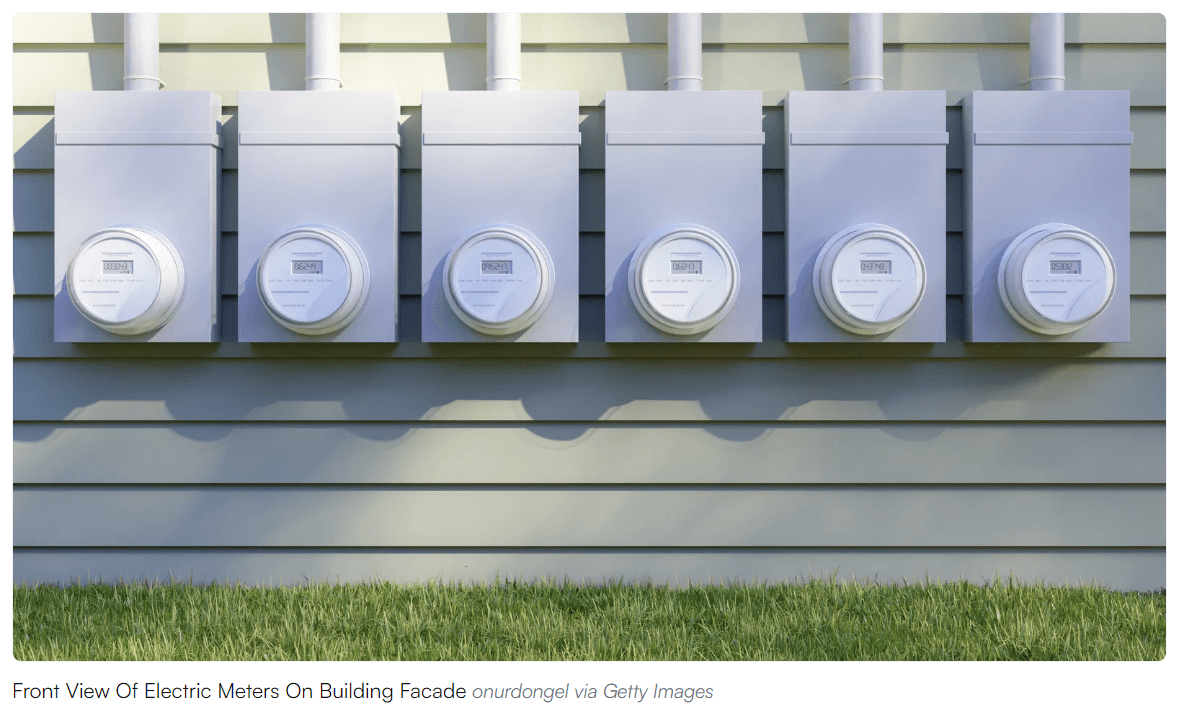
- Grid edge sensors and software being rolled out in Massachusetts, New York and other markets can gather millisecond-level data from individual customers, potentially enabling far more effective distribution grid operation, panelist and Sense CEO Mike Phillips said.
- Policies that promote wider advanced metering infrastructure, or AMI, deployment and curtail utilities’ financial incentives for physical capacity investments could help contain customer rates and mitigate backlash to the energy transition, Phillips said.
Para leer más ingrese a:
-
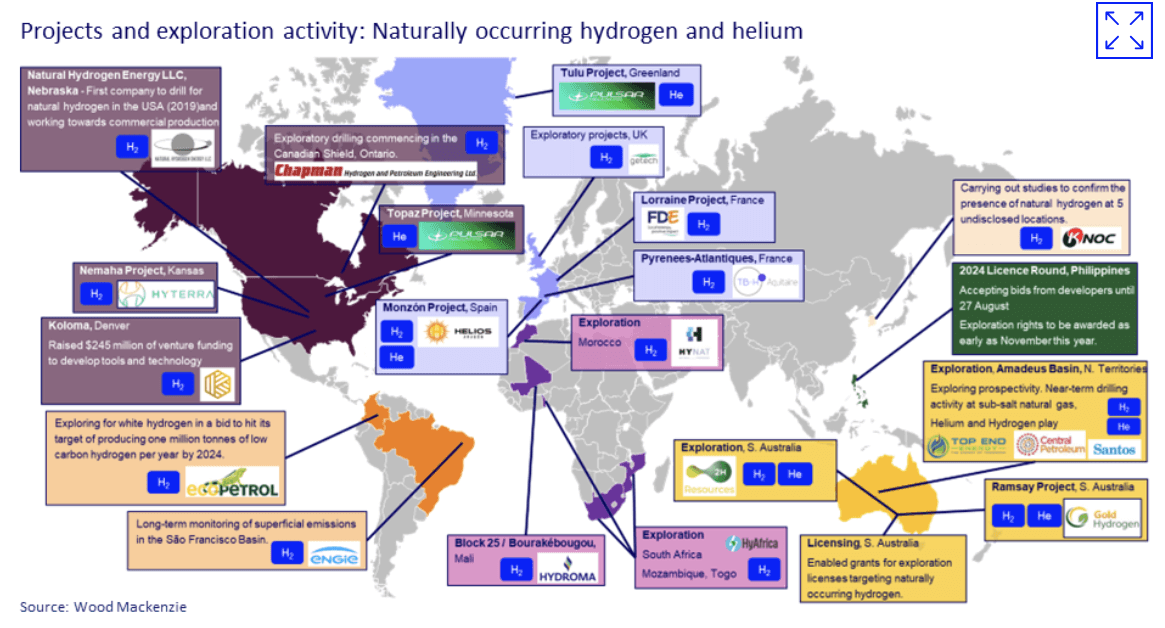
Unlocking the potential of white hydrogen
Faced with high costs, midstream transportation challenges and the slow development of demand, the low-carbon hydrogen economy is facing lowered expectations around its growth in the near term.
Developers and consumers continue to explore alternative forms of low-carbon hydrogen. White hydrogen’s superpower is that – unlike alternatives such as green or blue, which require inefficient conversion processes – it comes ready-made and at a much lower cost. And with their exploration and development expertise, oil and gas companies are well-placed to become champions of this emerging low-carbon molecule.
Gavin Thompson, Vice Chair, EMEA, spoke to Richard Hood and Kate Adie from our Subsurface research team, authors of our recent analysis of white hydrogen’s potential.
What is white hydrogen?
Like oil and gas, white hydrogen is naturally occurring. Generated by continuous geochemical reactions in hard rock, white hydrogen’s characteristics differ from hydrocarbon molecules in that they are small and light, and more likely to escape cap rocks. More research is still required, with practical field experience and data collection needed to establish the key components of a hydrogen play.
Para leer más ingrese a:
https://www.woodmac.com/blogs/the-edge/unlocking-the-potential-white-hydrogen/
-
Projected changes in hurricane-induced power outages in a future climate
Hurricanes, or more generally tropical cyclones, are known to cause extensive damage to electric power system infrastructure, as high winds and heavy precipitation often leave felled trees and downed power lines in their aftermath. This can result in long-duration power outages following a storm, as utility crews work to repair damaged poles and lines as quickly as possible. There is a growing body of research focused on how climate change will affect future storm characteristics in terms of frequency, intensity, and location. While studying the change in hurricane behavior itself is the first step, the motivation for this case study lies in gaining a better and more nuanced understanding of what a change in storm characteristics might mean for power system impacts. Namely, how might climate change affect the risk of hurricane-induced power outages?
Para leer más ingrese a:
-

Offshore wind: Strategies for uncertain times
The offshore wind industry is at an inflection point. Having proved to be an increasingly scalable source of renewable energy, the industry has enjoyed a decade of growth and value creation.1 Offshore wind is a clean renewable energy source—one of the least CO2-intensive forms of electricity generation, on par with onshore wind—and can help communities around the world meet their net-zero targets.2
However, the current macroeconomic environment is impacting the offshore wind industry, putting pressure on its growth and profitability.3 Recently, stakeholders have questioned the outlook of the industry after seeing a relatively high density of project cancellations following communicated cost increases of between 40 and 60 percent. Can offshore wind costs rapidly return to attractive levels, or is the cost advantage of onshore wind and solar too large, despite offshore wind’s favorable production profiles?
In this article, we discuss why the industry has been so hard hit and when it could reemerge into structural profitability. We delve into potential scenarios—based on in-depth discussions with industry executives and leaders—that could affect the outlook of the industry. We conclude with key steps that developers can take to ensure ongoing growth.
Para leer más ingrese a: